
 E-Paper



Afghanistan takes Pak air strikes to UN, Taliban turns on its mentor
In a letter to President of UNSC, Afghanistan Charge d’ Affairs has complained that the air strikes “ is a flagrant breach of international laws".


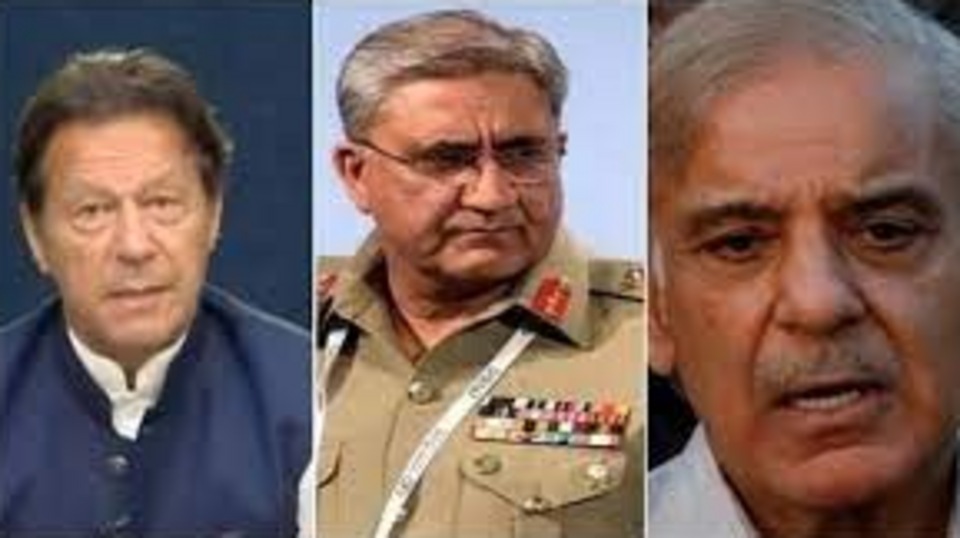
Despite former Pakistan Prime Minister Imran Niazi and his then ISI protégé Lt Gen Faiz Hameed playing an active part in installation of the Taliban Islamist regime in Afghanistan in 2021, Kabul has taken Islamabad to UN Security Council for violating its territorial integrity by launching air strikes in Kunar and Khost province on April 16.
While a formal complaint against Pakistan has been filed by Naseer Ahmad Faiq of the previous Ashraf Ghani regime, the Taliban, the Haqqani Network and the Tehreek-e-Taliban, Pakistan have joined hands in opposing the airstrikes in which more than 40 persons including women and children were killed, score injured, and houses destroyed. All three Pashtun factions are opposed to division of their ethnic community by Pakistan by imposing the British Durand Line as the international border and erecting a security fence to demarcate it.
In a letter to President of UNSC, Afghanistan Charge d’ Affairs has complained that the air strikes “ is a flagrant breach of international laws, including humanitarian laws, the principles of UN Charter, the UNGA and UNSC resolutions, including resolution 1453 (2002) on Kabul Declaration of Good Neighbourly Relations.”
“The persistent violation of Afghanistan’s territory by Pakistani military forces through cross-border shelling, construction of military posts and fences inside Afghanistan’s soil have been going on for over a decade. Particularly of high concern is the cross-border shelling which has caused scores of civilian casualties, displacement, and destruction of public and private properties. These acts are reprehensible and must be stopped. Continuation of these breaches will impact the relations of two nations and it will further destabilize the peace and security in Afghanistan and the region,” the April 18 missive stated.
The issue has been raised by Afghanistan previously also via letters dated February 22, 2019, August 22, 2019, and July 17, 2020.
While Pakistan leadership particularly under Imran Khan thought that the Taliban regime in Afghanistan would provide Islamabad with much needed strategic space against India, fact is that the Taliban regime has turned against its erstwhile mentor and handler, the ISI. It was the then ISI DG and hatchet man of Imran Khan who ensured that Haqqani Network captured Kabul by keeping the traditional Kandahar based Islamists at bay. The Afghan complaint has been circulated among the UNSC members with Kabul asking both permanent and non-permanent members to take up the issue.
With the UN being reduced to a talk shop over decades, the Afghan complaint may not get redressal in New York but the Taliban, HN and TTP will ensure retribution on ground for the Kunar and Khost strikes. The hunter has suddenly become the hunted.


