
 E-Paper



Too good to retire but too broken to fly? The plane that keeps breaking down
Regulatory bulletins ordering repairs, inspections or replacement parts for the massive four-engined Airbus A380 plane are piling up

 Prefer HTon Google


Once hailed as the future of air travel, the world's largest passenger aircraft is now proving to be a costly engineering marvel not prepared to age or go down quietly.
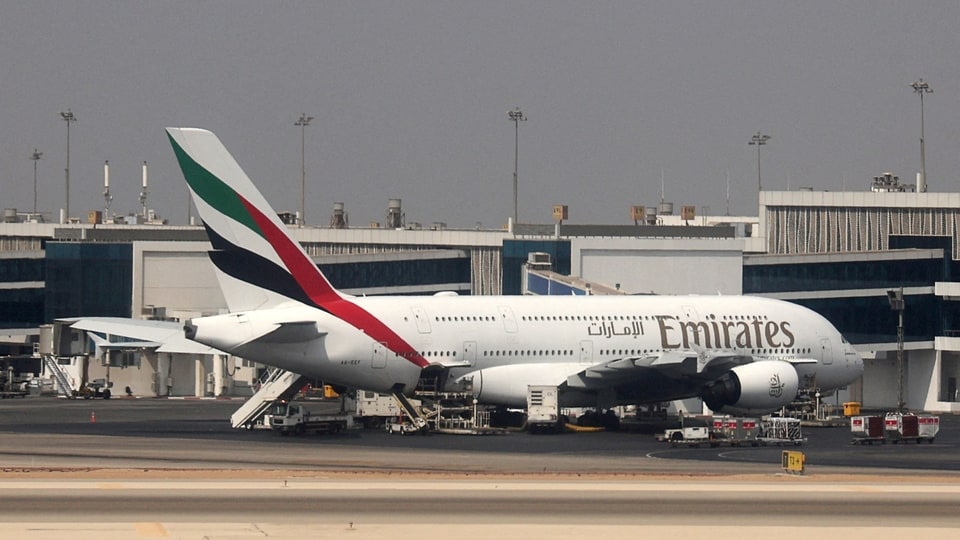
Airbus A380 was once grounded and nearly phased out. It found a new lease on life after the pandemic. However, Bloomberg has reported that regulatory bulletins ordering repairs, inspections or replacement parts for the massive four-engine plane are piling up. While some are procedural, such as a demand for timely equipment checks, others are more serious.
Leaking escape slides, cracked seals and a ruptured landing-gear axle feature among 95 airworthiness directives for the A380 listed by the European Union Aviation Safety Agency since January 2020.
Also Read | DGCA begins action against Air India for lapse in plane's emergency slide check
Airlines that once turned to the mighty A380 to meet demand are now bearing the cost of the aircraft breakdowns, delays, and a series of maintenance headaches, which have earned the aircraft the reputation of "the plane that keeps breaking down."
"The A380 is a complex aeroplane whose scale does make it more demanding to maintain compared to other aircraft," the European Union Aviation Safety Agency said in a statement. "It is very important for safety that there is no stigma attached to publishing an airworthiness directive — safety must come first."
Grounded, again and again
Qantas, one of the A380's most high-profile operators, has seen multiple delays due to mechanical trouble.
On May 7, a Qantas A380 headed for London was grounded in Singapore due to a fuel-pump issue. Passengers faced over 24 hours of delays, some even longer when another A380 in Sydney was damaged by an airport aerobridge, throwing backup plans into disarray.
Also Read | Air passenger grievances surge this year, close to 2024 levels in just 6 months
British Airways hasn't fared much better. One of its A380S, G-XLEB, spent more than 100 days out of action in Manila before limping back to Heathrow, where it flew just seven days in the following month.
And yet, BA is planning a full cabin refurbishment, signalling a long-term commitment to a jet that's becoming more expensive by the hour.
Other issues with A380
Meanwhile, A380s are taking up space and manpower in workshops around the world, exacerbating a shortage of repair facilities for the wider commercial fleet. A comprehensive check of the massive plane can consume 60,000 hours of labour, according to aircraft repairer Lufthansa Technik.
Also Read | Five Indian airlines, 183 technical snags, 7 months. What government said
Some of the aircraft’s recent faults stem from prolonged periods on the ground during the pandemic, when airlines parked their A380S in the Californian desert, central Spain or the Australian outback.
Reliability issues are the latest twist for a superjumbo that has almost always been divisive. Passengers still love the A380’s cavernous interiors and audacious scale. Airlines wrestle with their logistics needs — from longer runways to extra-large hangars — as well as the mechanical dramas.
Why do airlines not retire the Airbus A380?
Despite everything, some airlines remain loyal. Emirates plans to fly the A380 well into the next decade. Qantas and British Airways call it a “key” part of their networks. Singapore Airlines and Korean Air speak of “strict compliance” and “highest safety standards,” even as neither is eager to detail how often the aircraft break down.
Airbus, for its part, maintains that the A380’s global fleet still delivers 99% operational reliability — a statistic that sounds impressive until you’re the one stranded at the gate.


