
 E-Paper



Amid Omicron scare, WHO chief says no nation can ‘boost its way out’ of pandemic
The WHO chief highlighted that the vast majority of hospitalisations and deaths are being in “unvaccinated people, not un-boosted people.”


World Health Organization (WHO) director-general Tedros Adhanom Ghebreyesus on Wednesday said that “no country can boost its way out” of the coronavirus disease (Covid-19) pandemic. Ahead of the festive week of Christmas and New Year, the WHO chief told a media briefing that vaccine booster doses cannot be seen “as a ticket to go ahead with planned celebrations."
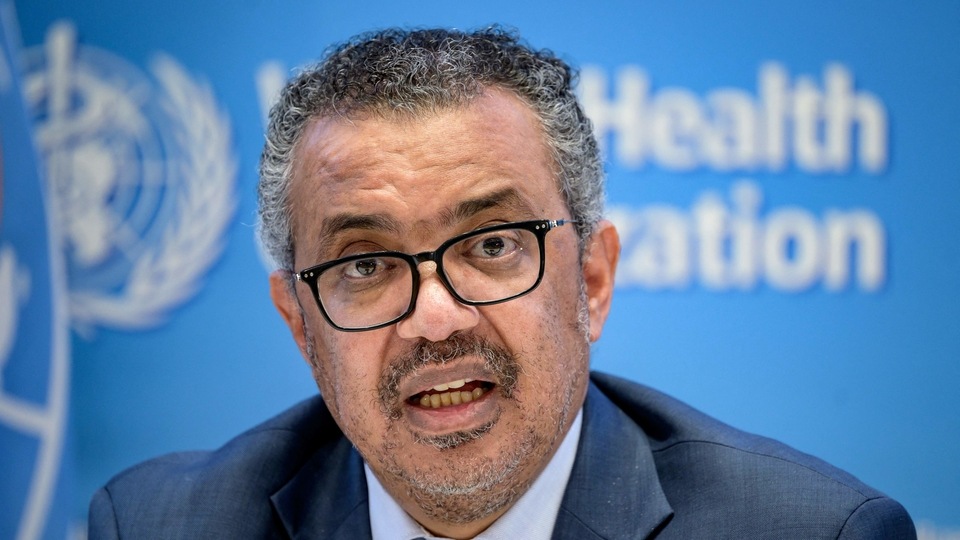
Citing a report of Strategic Advisory Group of Experts (Sage) on Immunization, the WHO chief stressed that the focus of vaccination must remain on decreasing death and severe disease. He said about 20% of all vaccine doses administered every day are currently being given as boosters or additional doses, expressing concern that blanket booster programmes will exacerbate vaccine inequity.
“Blanket booster programmes are likely to prolong the pandemic, rather than ending it, by diverting supply to countries that already have high levels of vaccination coverage, giving the virus more opportunity to spread and mutate," he told the briefing.
Western countries have expanded their booster programme for the majority of the eligible adult population while many countries are yet to fully vaccinate half of their population. Tedros highlighted that the vast majority of hospitalisations and deaths are being in “unvaccinated people, not un-boosted people.”
“And we must be very clear that the vaccines we have, remain effective against both the Delta and Omicron variants," he said, adding that global priority must be to support all countries to reach the 40% target as quickly as possible, and the 70% target by the middle of 2022.
The WHO also issued updated guidance for health workers, recommending the use of either a respirator or a medical mask, in addition to other personal protective equipment, when entering a room on suspected or confirmed case Omicron patient. It advised that respirators, which includes masks known as N95, FFP2 and others, should especially be worn in care settings where ventilation is known to be poor.


