
 E-Paper



As Etna erupts and lights up the sky, mud pools to indicate its next move
The Sicilian mountain has produced close to 200 cycles of eruptions since 1998. The volcanic eruptions have posed no risk to the human settlements that surround Mt Etna.


Fountains of lava from Mount Etna have regularly lit up the Sicilian night sky since December, and scientists say that mud pools several kilometres from Europe's tallest active volcano hold the key to predicting what it will do next.
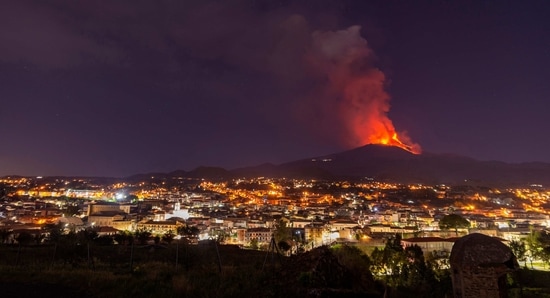
The current cycle of eruptions - just like the other 200 or so that the Sicilian mountain had produced since 1998 - have posed no risk to the human settlements that surround it, but volcanologists are leaving as little as possible to chance should circumstances change.
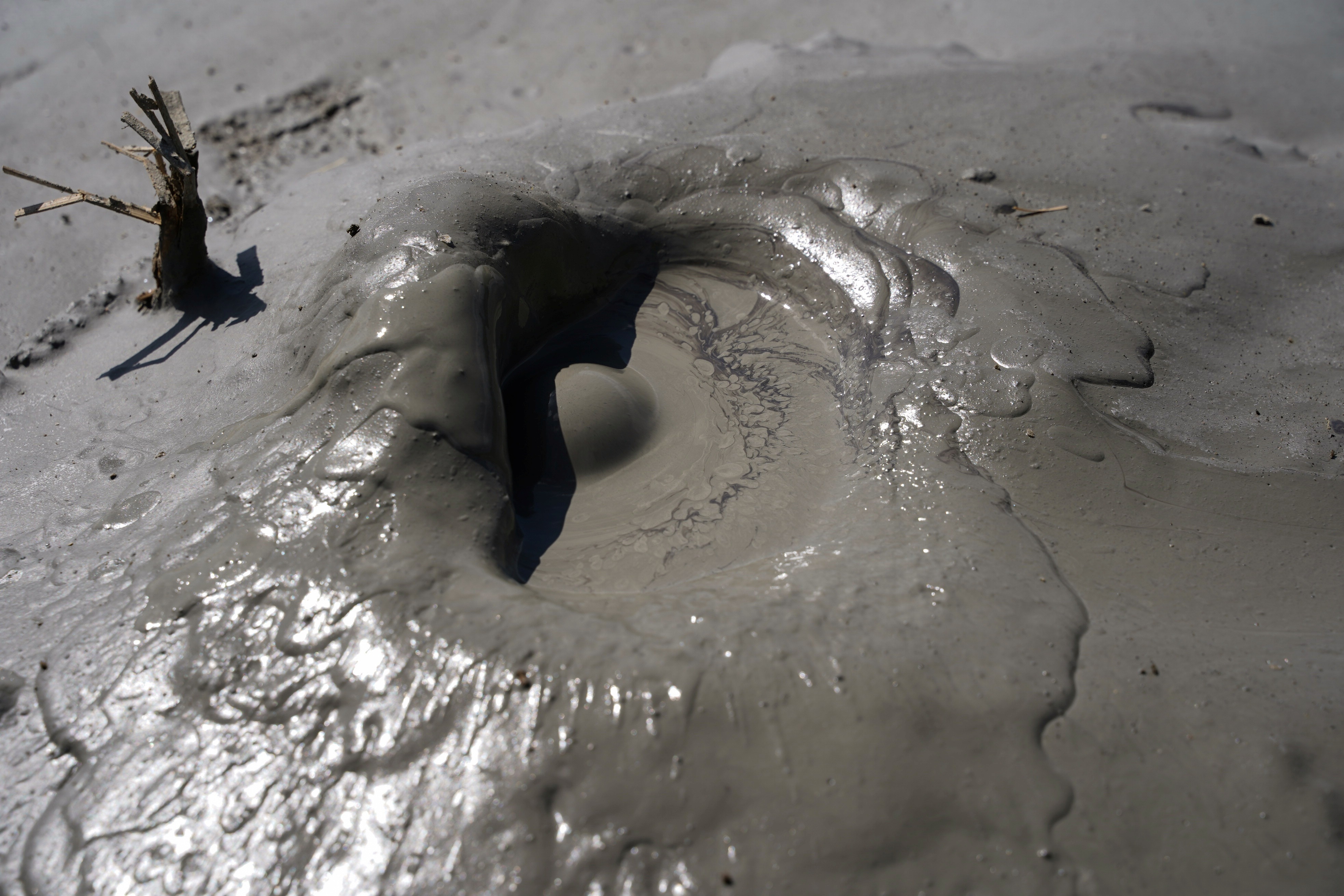
"When Mount Etna is ready to produce new cycles of activity with strong eruptions, the very first signs of the excess pressure of gas in the deep magma reservoirs are observed right here," said Salvatore Giammanco, standing next to the Salinelle mud pools in the town of Paterno.
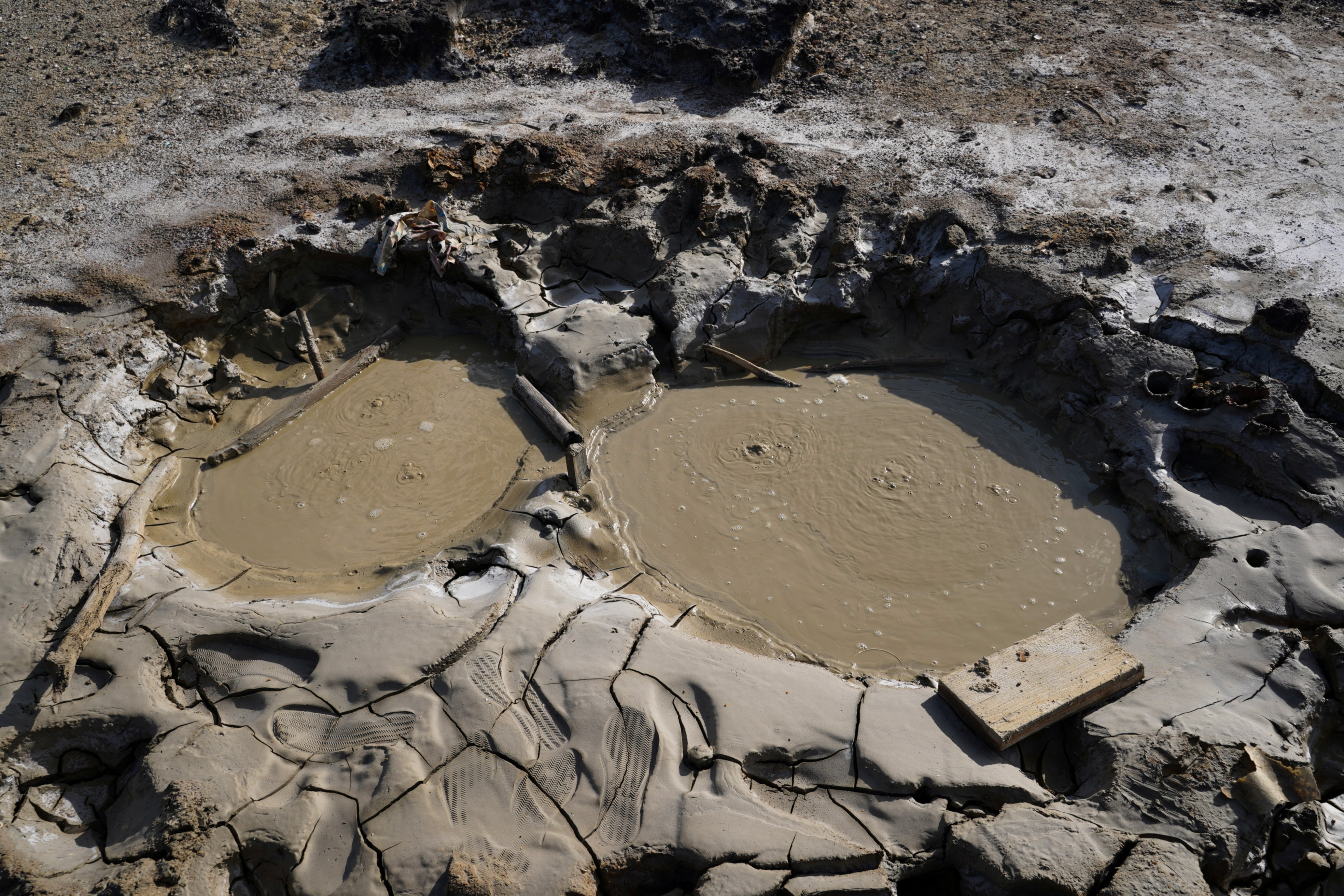
Giammanco, a senior researcher at the national institute of Geophysics and Volcanology - Etna observatory, says the magmatic gas, mostly carbon dioxide, mixes with methane that comes from underground hydrocarbon reservoirs, bringing water and mud to the surface.
"We can predict what Mount Etna wants to do by looking at the amount of gas which is emitted and the proportions of magmatic gas and hydrocarbons."
Giammanco is expecting Mount Etna to rumble on for several more months before returning to a more dormant state. In the meantime, he'll carry on keeping a close eye on the mud.


