
 E-Paper



Australian man in his 40s walks out of hospital after 100 days with artificial heart
The Australian patient underwent the procedure on November 22 at St Vincent’s Hospital in Sydney, in a six-hour operation.

 Prefer HTon Google


An Australian man in his 40s from New South Wales has made history as the first person to walk out of a hospital with a total artificial heart implant, after living with the device for more than 100 days.
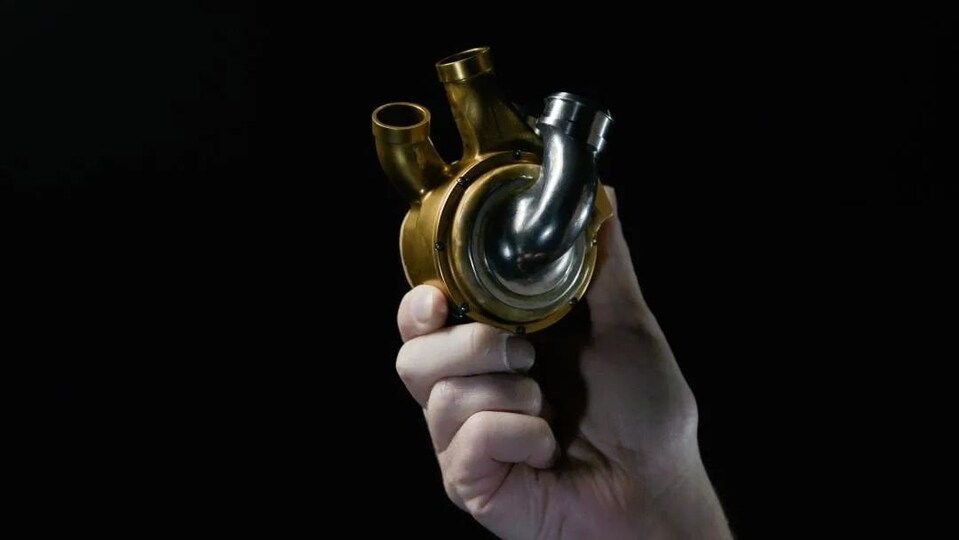
He is also the sixth person globally to receive the implant, which was used to treat his advanced heart failure.
Before this, five total artificial heart implants had been performed in the United States last year, with each patient receiving a donor heart before being discharged. The longest time between the implant and transplant was 27 days.
The Australian patient underwent the procedure on November 22 at St Vincent’s Hospital in Sydney, in a six-hour operation led by renowned cardiothoracic and transplant surgeon Paul Jansz, The Guardian reported.
On Wednesday, the team of Australian researchers and doctors announced that the procedure was a complete success, with the man living for over 100 days with the implant before undergoing a donor heart transplant in early March, the report said.
Developed by Queensland-based Dr Daniel Timms, the BiVACOR total artificial heart is the world’s first implantable rotary blood pump capable of fully replacing a human heart.
It uses magnetic levitation technology to mimic the natural blood flow of a healthy heart, the report added.
Designed for patients with end-stage biventricular heart failure, the implant is still in its early clinical trial stages. This condition often results from heart damage caused by factors like heart attacks, coronary artery disease, or diseases such as diabetes, which hinder the heart's ability to pump blood effectively.
According to the Australian government, over 23 million people worldwide experience heart failure each year, but only around 6,000 receive a donor heart.
As part of its artificial heart frontiers program, the government allocated $50 million to develop and commercialize the BiVACOR device.
While the implant is initially designed to serve as a bridge for patients awaiting a donor heart, BiVACOR’s long-term goal is to enable recipients to live with the device without requiring a heart transplant.


