
 E-Paper



Bangladesh's top court scales back jobs quota after deadly unrest kills 151
What began as a protest against admission quotas for sought-after government jobs snowballed this week into some of the worst unrest of Sheikh Hasina's tenure.

 Prefer HTon Google


Bangladesh’s top court on Sunday scaled back a contentious quota system for government job applicants, marking a partial victory for student protesters after days of nationwide unrest and deadly clashes with police.
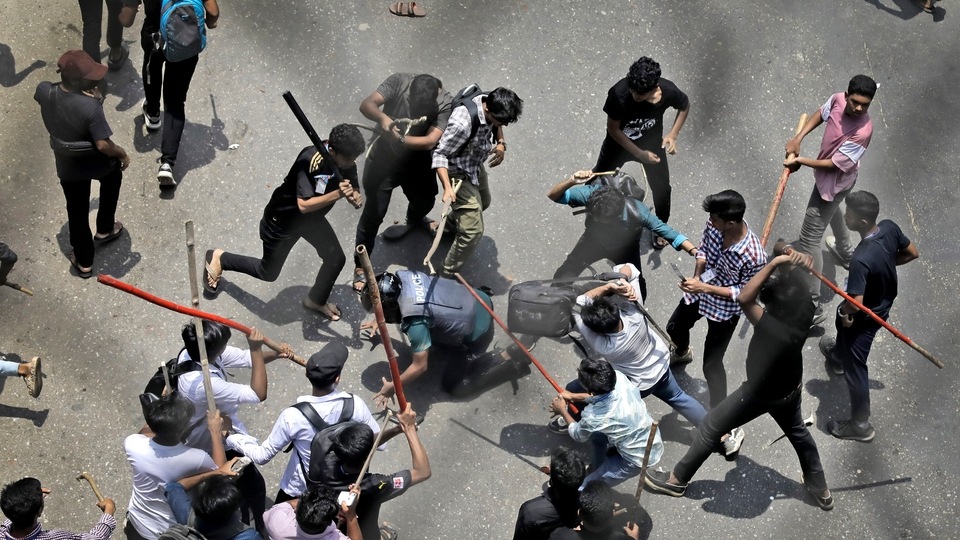
The ruling came after violent demonstrations erupted over a quota that reserved a substantial portion of government jobs for relatives of veterans from Bangladesh’s 1971 independence war.
These quotas sparked severe dissatisfaction among students who argued that the system was discriminatory and favoured supporters of Prime Minister Sheikh Hasina's ruling Awami League party.
The government had previously suspended the quotas in 2018 following mass student protests, but their reintroduction by the high court in June reignited tensions, setting off a fresh round of protests.
Explained: Who were 'Razakars' and why are they back in Bangladesh's discourse
The Supreme Court’s decision curtailed the quota from 30% to 5% for veterans' relatives, with 93% of positions now to be filled on merit. The remaining 2% will be allocated to ethnic minorities, transgender individuals, and people with disabilities. Despite these changes, the reduction fell short of the protesters’ demands for the complete abolition of all quotas.
The unrest, described as some of the worst during Hasina's tenure, saw universities closed and the internet shut down nationwide, while the government imposed a stay-at-home order. The protests escalated into violent clashes, with police using tear gas, rubber bullets, and smoke grenades against stone-throwing demonstrators. Although the authorities did not release official casualty figures, local reports indicated that at least 103 people had been killed, with other sources reporting up to 151 fatalities.
Bangladesh protests: Shoot-on-sight order after scores killed | Top updates
The situation intensified as soldiers were deployed to patrol major cities. Home Minister Asaduzzaman Khan announced a temporary relaxation of the stay-at-home order for essential errands and declared public holidays to manage the crisis.


