
 E-Paper



China differs with IMF on Sri Lanka debt moratorium
While India has decided to support IMF’s debt sustainability analysis of Sri Lanka with a 10-year debt moratorium and restructuring period of 15 years, Chinese EXIM banks are only willing to offer a 2 year debt moratorium. This may spell further economic pain for the Island nation.

 Prefer HTon Google


Sri Lanka and Pakistan were poster boys of China’s Belt Road Initiative (BRI) over the past decade and used high interest loans from Beijing to create white elephant projects. Both nations are bankrupt today with China not showing the same BRI enthusiasm in reviving their economies with much-needed aid to tide over the growing food and fuel crisis. The two countries are scraping the bottom of the economic barrel with a very weak US dollar exchange rate, high inflation, and very high bank interest rates. The economic crisis in these two countries is a lesson to Nepal, Bangladesh, Maldives and Myanmar, whose political leaderships have often landed at Beijing’s doorsteps for infrastructure funding with the Communist Party of China being able to penetrate bureaucracies in the Indian sub-continent to their advantage.
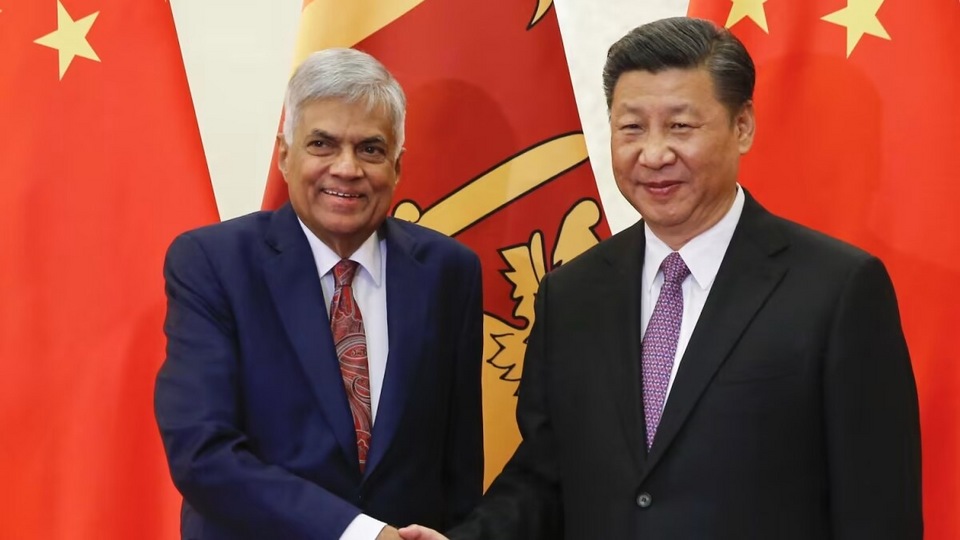
While the Export-Import Bank of India has given in writing that its financing and debt relief to Sri Lanka will be in tune with the IMF and Paris Club, the Chinese Export-Import Bank has made it clear to Colombo that it will only provide repayment moratorium for only two years instead of 10 years moratorium as recommended by IMF-Paris Club. The IMF and Paris Club have recommended that the restructuring of Sri Lankan debt should be carried over 15 years.
This means that the IMF package of USD 2.9 billion (spread over four years with six monthly reviews) to Sri Lanka in March is in jeopardy due to Chinese EXIM Bank conditions. The only other option is that the IMF allows lending on sovereign arrears to save Sri Lanka from fully blown economic and political chaos.
Sri Lanka owes at least USD 7 billion to China in debt including loans from the Chinese Development Bank with the numbers reaching another level if private debt is also included. The unsustainable high interest debt is on account of financial malfeasance and misgovernance by the Rajapaksa regime, of which current President Ranil Wickremesinghe was also a vital part in the past. Thanks to financial profligacy by the Rajapaksas, Chinese high interest money was used to build unsustainable white elephant projects all over the country including Hambantota port, Mattala Rajapaksa International Airport and Norocholai power station. The public resentment that spilt over against the Rajapaksas in 2022 has allowed fringe far-left political parties to rise in the Island nation. Basically, like in Pakistan, the political antidote is worse than the economic malaise.
India in its letter to IMF Executive Director Kristalina Georgieva on January 16, 2023, made it clear that it would fully support debt sustainability analysis by IMF and Paris Club without any additional conditions. The Modi government, however, made it clear that Sri Lankan authorities should seek equitable debt treatments from all commercial creditors and other official bilateral creditors as well as adequate financing contributions from the multilateral development banks. A copy of India’s letter to the IMF was also sent to the Sri Lankan Finance Ministry.
The Indian letter committed to continuing negotiations with the Sri Lankan government along with the Paris Club on a medium to long-term debt treatment through maturity extension and interest rate reduction or any other financial operations that would deliver similar financing/debt relief.
The Indian understanding of IMF’s debt sustainability assessment is that it will be underpinned by program targets of reducing the ratio of Sri Lankan public debt to GDP to below 95 per cent by 2032 and the central government’s annual gross financing needs were below 13 per cent of the GDP on average in 2027-2032. This apart, the central government’s annual foreign currency debt service should be below 4.5 per cent of GDP every year in 2027-32 to close Sri Lanka’s external financing gap.


