
 E-Paper



Magnitude 6.2 earthquake jolts Afghanistan's Hindu Kush region, felt across Pakistan
The earthquake hit northern Afghanistan at a shallow depth of 10 kilometres (six miles) in Khulm, near the city of Mazar-i-Sharif.

 Prefer HTon Google


A massive magnitude 6.3 earthquake jolted Afghanistan's Hindu Kush region on Sunday, just one day after lower magnitude tremors were felt in the region. The earthquake comes months after a magnitude 6 earthquake left at least 800 people dead and even more injured.
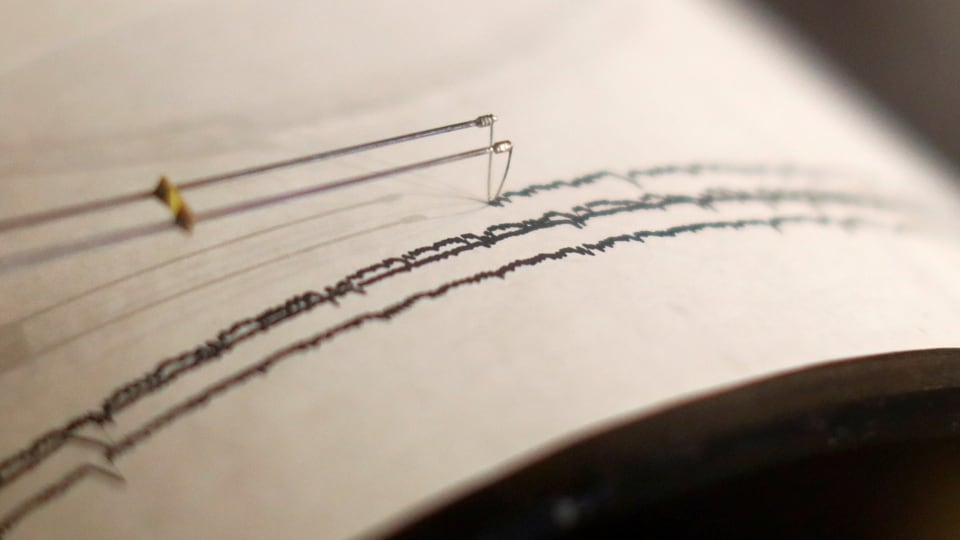
According to the US Geological Survey, the earthquake hit northern Afghanistan at a depth of 28 kilometres with the epicentre located 22 km west-southwest of Khulm, near the city of Mazar-i-Sharif. The tremors occurred at 12:59 am on Monday, and the tremors were felt as far as Kabul in Afghanistan, Mashhad in Iran and Islamabad in Pakistan, BNO news reported.
This comes a day after minor earthquakes of magnitude 4.9 struck the region late on Saturday. As per the European Mediterranean Seismological Centre (EMSC), tremor was felt across several nearby provinces; however, there were no immediate reports of casualties or damage.
The USGS issued an orange alert in its PAGER system, which is an automated system that produces information on the impact of earthquakes, and indicate that “significant casualties are likely and the disaster is potentially widespread.”
Earlier on August 31, an earthquake measuring 6.0 on the Richter scale struck the Hindu Kush region, with tremors being felt across Afghanistan's eastern border with Pakistan. The epicentre of the earthquake was located 42 kilometres east-northeast of Jalalabad.
The death toll from the earthquake was over 2200, as per reports that cited the Taliban government. It was termed the deadliest earthquake to strike the region since 2023. The earthquake also led to landslides in some areas and blocked roads, which affected daily life. Most casualties were reported from Kunar province, where many people lived in steep river valleys. According to the authorities, more than 6,700 homes were destroyed following the deadly tremors.
Afghanistan lies in a seismically active area, and earthquakes are frequent here. The Hindu Kush mountain range sits near the junction of the Eurasian and Indian tectonic plates, making earthquakes more common and deadly.


