
 E-Paper



Hajj 2025: Dates, rituals, significance | All details about the Muslim pilgrimage
Hajj is an annual pilgrimage that follows the path of Prophet Ibrahim and Prophet Muhammad, symbolising their devotion and submission to Allah.

 Prefer HTon Google


Undertaken by millions every year, Hajj is an Islamic pilgrimage to Mecca, Saudi Arabia, and is one of the five pillars of Islam. It holds immense religious significance and serves as a spiritual journey for Muslims, offering a chance to seek forgiveness, express devotion, and reaffirm their faith.
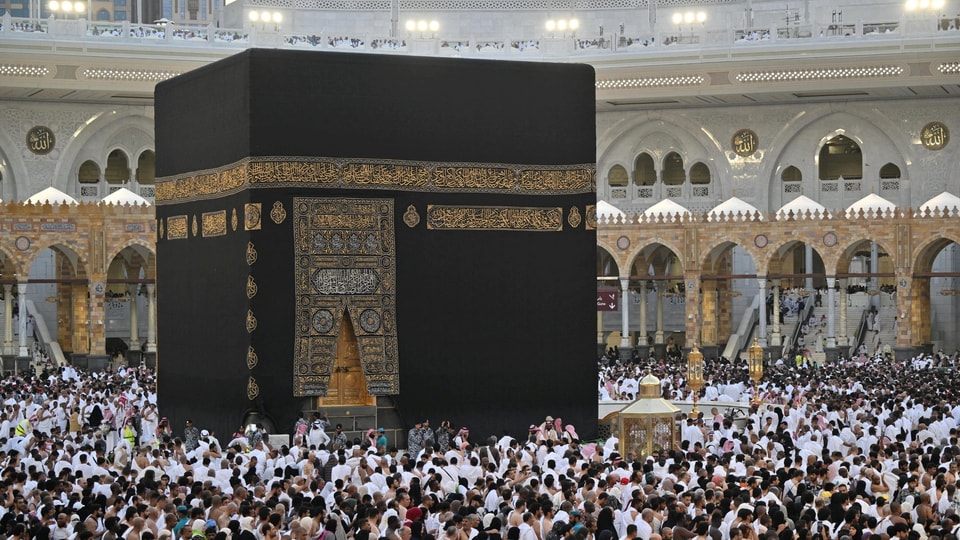
As the Hajj dates for 2025 approach, it is important to understand the rituals, significance, and history behind this sacred pilgrimage.
Here's everything you need to know about Hajj, its key practices, and what makes it a defining event in the lives of Muslims worldwide.
Significance of Hajj
Hajj is an annual pilgrimage that follows the path of Prophet Ibrahim and Prophet Muhammad, symbolising their devotion and submission to Allah. It is a mandatory religious duty for Muslims who are financially capable. During the pilgrimage, participants shed materialism and dress in plain white clothes as they perform various rituals.
Dates
Hajj takes place in the month of Dhul Hijjah, the 12th and final month of the Islamic calendar. In 2025, Hajj is scheduled to begin on the evening of Friday, June 6, 2025, and conclude on the evening of Wednesday, June 11, 2025. However, the exact dates may vary depending on moon sightings.
Rituals
Hajj is performed over five to six days in Mecca through a series of rituals. The second day of the pilgrimage, known as The Day of Arafah, is the holiest day in the Islamic calendar. The major rituals include:
- Ihram: The state of purity, symbolised by the wearing of plain white clothes.
- Tawaf: The act of circumambulating the Kaaba, symbolising the unity of all believers.
- Sa’i: The act of walking between Safa and Marwa, two hills near the Kaaba in Mecca, mirrors Hagar’s search for water for her son Ismail. This ritual is known as Sa’i.
- Arafat Day: Standing at Arafah, a plain near Mecca, to seek forgiveness, symbolising repentance. This is a key ritual of Hajj, observed on the holiest day in the Islamic calendar.
- Muzdalifah: Collecting pebbles for the next ritual, Ramy Al-Jamarat, which represents stoning the devil.
- Qurbani: The sacrifice of an animal, demonstrating devotion to Allah.
History of Hajj
According to Islamic tradition, Prophet Ibrahim (Abraham) was instructed by Allah to leave his wife Hajar (Hagar) and son Ismail (Ishmael) in the desert of Mecca. Facing numerous hardships, Hajar desperately searched for water for her thirsty son. In her efforts, she ran seven times between the hills of Safa and Marwa. When Ismail struck the ground with his foot, a spring of water, known as Zamzam, miraculously emerged.
This sacred location was later marked, and Allah commanded the construction of the Kaaba at this site. The Kaaba became the center of spiritual worship, and Muslims worldwide now undertake the Hajj pilgrimage to this site, following the example set by Prophet Ibrahim and his family.


