E-Paper



In 2011, Japan’s earthquake, tsunami, and nuclear meltdown forced Fukushima families to leave dogs; 17 rescues had 5–10 times more stress hormones
In 2011, the Fukushima disaster left many dogs behind. A 2012 study found 17 rescued dogs had 5 to 10 times more stress hormones than other abandoned dogs.

 Prefer HTon Google


In March 2011, a huge earthquake and tsunami struck Japan, and a nuclear accident followed in Fukushima. Many families had to flee, and many dogs ended up abandoned, though not by choice. Later, researchers wanted to know how those dogs were doing. A 2012 study in Scientific Reports by Miho Nagasawa, Kazutaka Mogi and Takefumi Kikusui of Azabu University found that 17 dogs rescued from Fukushima had five to 10 times higher levels of urine cortisol than abandoned dogs from another part of Japan. Cortisol is a major stress hormone.
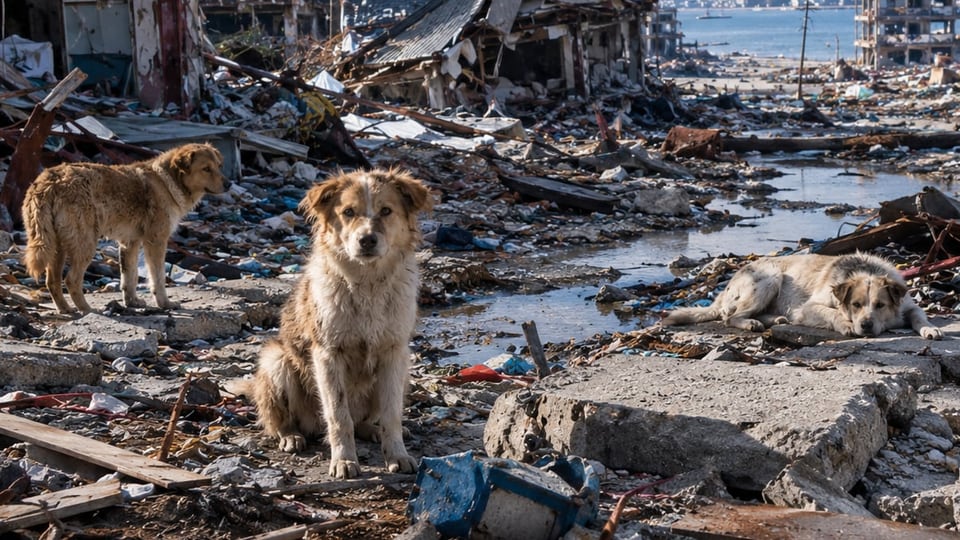
A tragedy that separated families and pets
The earthquake on March 11, 2011, was one of the strongest ever recorded. It also resulted in a major nuclear accident. At the time of the paper’s publication, some 340,000 people were still displaced. That long displacement meant lots of pets were left behind accidentally. Some dogs were roaming or chained up, left alone for long periods. Others existed in a semi-feral state in the exclusion zone around the nuclear reactor. Dogs need family companionship to maintain normal stress responses, and these dogs had suddenly lost that support.
How the researchers tested the dogs
In 2011, the Azabu University team took in stray and abandoned dogs from rescue centers in Fukushima Prefecture. Each dog received two to three months of training and care from students. Researchers analyzed 17 of these dogs, comparing them with eight abandoned dogs from Kanagawa Prefecture that had not gone through the disaster. Students scored each dog’s behavior one and three months after arrival using a standard questionnaire. The team also checked the dogs’ urine for cortisol each morning for two weeks, and then weekly.
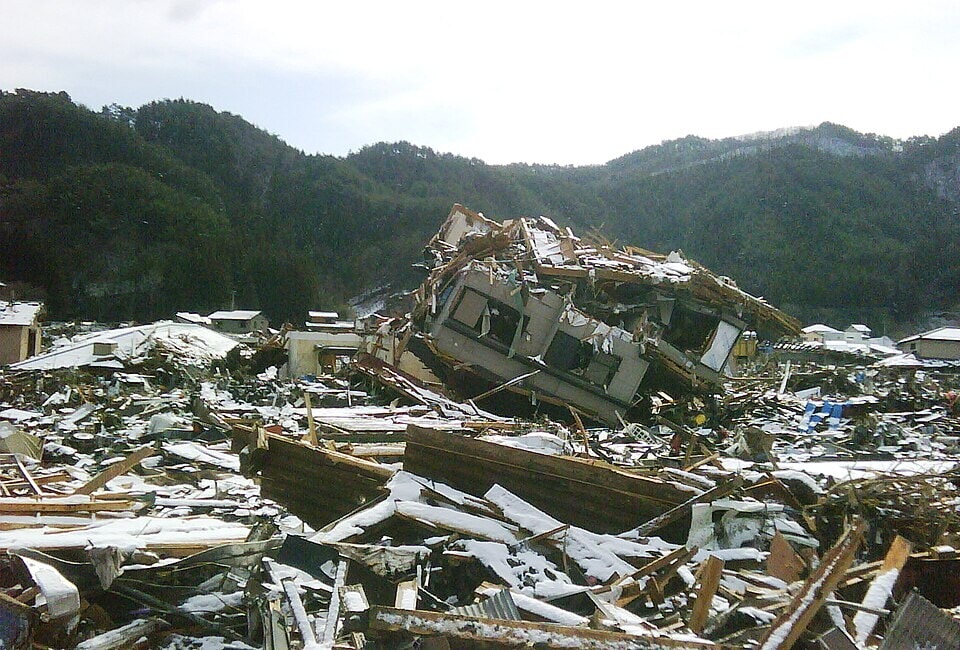
What the figures showed
Fukushima dogs had five to 10 times the amount of cortisol as Kanagawa dogs. It was highest the day they arrived. It remained higher even after 10 weeks of treatment. In the first month, the Fukushima dogs were less aggressive to strangers, less trainable, and less attached to their caretakers. Their attachment scores remained lower at three months. Lower aggression sounds like good news, but it may simply mean the dogs’ stress did not show up as aggression.
Why moving to a new place is not the entire story
In 1997, Michael Hennessy and colleagues measured cortisol in dogs at a county animal shelter. Their study, published in Physiology & Behavior, found that dogs in their first one to three days had higher cortisol than dogs that had been there more than nine days. First-day levels were higher than those of pet dogs sampled in their own homes. Shelter stress tends to ease as the days pass. The Fukushima dogs remained at high levels for much longer. Because of this, the authors said a new environment was unlikely to explain the results and that the disaster experience was the probable cause.
What the study doesn’t tell us
This was a small study, involving only 17 Fukushima dogs and eight comparison dogs. The Fukushima dogs were also older on average, about 5.7 years compared to 2.9 years. The team tested for an age effect and found none, but said it was hard to get rid of all the other factors. Cortisol is a stress indicator, not a diagnosis, so it cannot tell us exactly how any one dog felt. The authors concluded that both people and companion animals apparently need long-term care after disasters. For dog lovers, the lesson is simple: a rescued dog may need extra time and patience to settle in.