
 E-Paper



India, China ‘effectively managed’ border frictions: Chinese FM Wang Yi
Wang was speaking on China’s Diplomacy in 2021: Embracing a Global Vision and Serving the Nation and its People at a symposium on the international situation and China’s foreign relations

 Prefer HTon Google


China and India have maintained communication through diplomatic and military channels to control friction at the border, Chinese state councillor and foreign minister Wang Yi said on Monday amid a dragging conflict along the Line of Actual Control (LAC) in eastern Ladakh that has seen bilateral ties plunge to its worst in decades.
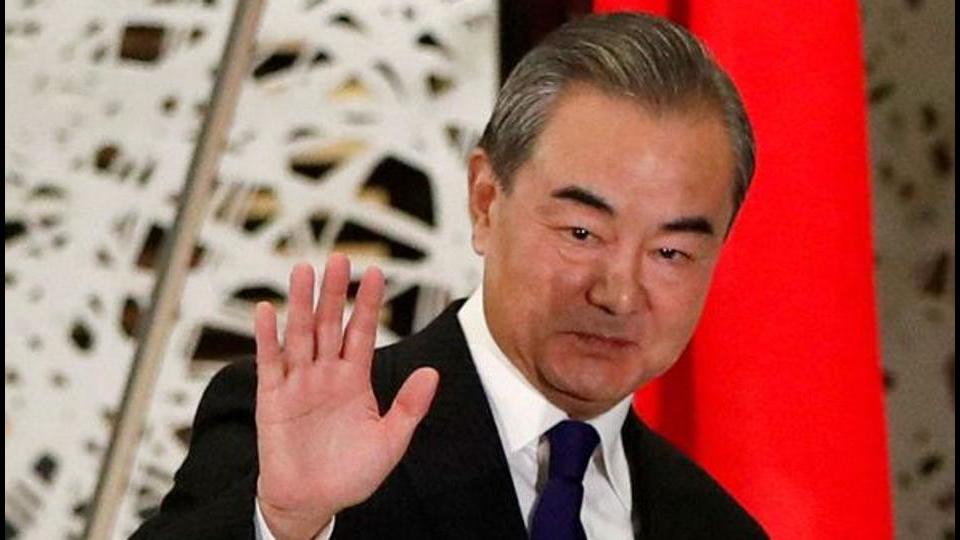
“China and India have maintained dialogue through diplomatic and military channels, and effectively managed and controlled frictions in certain border areas, under a shared commitment to improving and developing the bilateral relations,” Wang said.
Wang was speaking on China’s Diplomacy in 2021: Embracing a Global Vision and Serving the Nation and its People at a symposium on the international situation and China’s foreign relations.
Wang referred to India only once in his lengthy speech in which he talked about China’s global diplomacy, focusing on Beijing’s ties with different countries and continents.
The senior Chinese diplomat has spoken earlier about the need for India and China to partner each other and respect each other’s core interests.
Beijing, however, has continued to blame India for the current military tension and not explained why the last round of military talks in October, or for that matter, a round of diplomatic negotiations the following month, failed to make any headway.
In November, India and China emerged from the last round of diplomatic talks on the border standoff with little to show but an agreement on holding the next discussions between senior military commanders at an early date.
In fact, the virtual meeting of the Working Mechanism for Consultation and Coordination (WMCC) on border affairs was held against the backdrop of growing evidence of China building infrastructure and villages in disputed sections of the LAC and a lack of forward movement on disengagement at friction points such as Hot Springs and Depsang.
Earlier this month, Wang spoke about Sino-India ties during an online talk with India’s outgoing ambassador Vikram Misri.
Wang told Misri about building “mutual trust”.
“When we build mutual trust, even the Himalayas cannot stop us from friendly exchanges. Without mutual trust, it is difficult to bring the two sides together, even if there are no mountains in the way. China and India should become partners and friends,” Wang said during the interaction.
The narrative from New Delhi says it’s that very “mutual trust” that Beijing doesn’t seem keen to build.
While China blames India for the border troubles, India has repeatedly and consistently rejected China’s allegations that Indian troops crossed over to the Chinese side of the LAC in eastern Ladakh, asserting that New Delhi has always taken a responsible approach towards border management and maintaining peace and tranquillity in the border areas.
Indian and Chinese militaries have been locked in a border standoff in eastern Ladakh since May 2020, when a violent clash in Pangong lake area led to both sides gradually deploying tens of thousands of soldiers as well as heavy weaponry along the border. Several rounds of military and diplomatic talks have only resulted in partial disengagement of troops until now.
Soldiers were killed on both sides in a brutal fight on the night of June 15 at Galwan Valley.


