
 E-Paper



India prepared for long haul with China over Ladakh
The 12th senior military commanders meeting on July 31 made incremental progress on resolution of Gogra-Hot Springs with PLA increasing its activities in the eastern sector.

 Prefer HTon Google


The Narendra Modi government is prepared for the long haul with China on resolving the East Ladakh situation post PLA May 2020 aggression even though the 12th senior commander meeting on July 31 at Chushul recorded an incremental movement at Gogra-Hot Springs friction point.
Given that it took nearly eight years to resolve the 1986 Sumdorong Chu military stand-off in Arunachal Pradesh, the Modi government is prepared for further rounds of military negotiations without any unilateral dilution of the Indian position on the present stand-off in East Ladakh while maintaining a hawk eye over the eastern sector. “It is an endless night,” said a senior official.
The Indian position put across by forcefully by Ladakh Corps Commander Lt Gen P G K Menon is that all contentious frictions points between the two armies must be resolved. This includes Depsang Bulge and Gogra-Hot Springs, where the PLA continues to be in an aggressive mode. The Modi government is very clear that the way to restoration of bilateral ties with China goes through the resolution of the Ladakh LAC as a first step. Any proposal suggesting 1980s parallel diplomacy—restoring economic ties while the military stand-off is on in East Ladakh-- is out of question for the Modi government. This is because the PLA is fully deployed across the LAC in East Ladakh with the PLAAF strengthening its air bases in the Western Theatre Command with advanced fighters and missile systems.
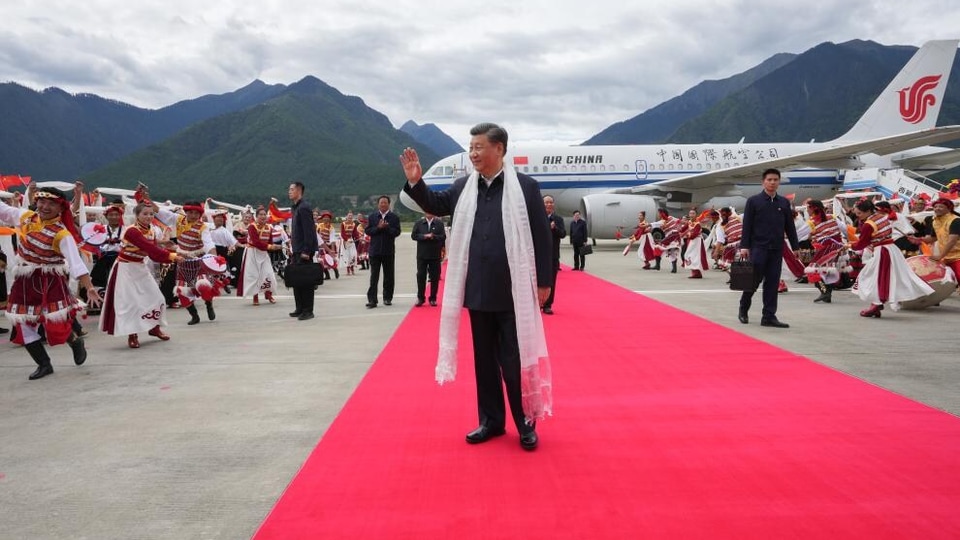
While India is negotiating with China on peaceful resolution of the western sector, the Indian intelligence has alerted the military of increased PLA activity in the Eastern sector. The July 23 visit of Chinese paramount leader Xi Jinping to Nyingchi across Arunachal Pradesh has caused concern as he was briefed about the military situation on the LAC in eastern sector.
Since May 2020 PLA aggression on Galwan, Gogra-Hot Springs and Pangong Tso, the PLA has also tremendously improved military infrastructure across the Sikkim and Arunachal Pradesh sector with new fortified bunkers and missile systems. The PLA has deployed Russian S-400 missile system at Nyingchi with the second one possibly deployed at Hotan in Xinjiang region. For the past one year, increased communication activity has been noticed all along the 3,488 km LAC with Chumbi Valley activity across Nathu La in Sikkim a matter of serious security concern.
Apart from fortifying military infrastructure in Tibet and Xinjiang, the Chinese information warfare has reached a very high level of sophistication with the adversary being targeted from both within and outside the country. The Chinese population, however, has been fire-walled to ensure that the real situation is always kept out of bounds.


