E-Paper



Iran has not accepted all Trump’s red lines, says JD Vance after Geneva talks
Vance signaled that Washington remains engaged in diplomacy, even as Trump warned of potential military action.

 Prefer HTon Google


Iran has not accepted all the “red lines” defined by US President Donald Trump for a diplomatic resolution, Vice President JD Vance said Tuesday after talks in Geneva.
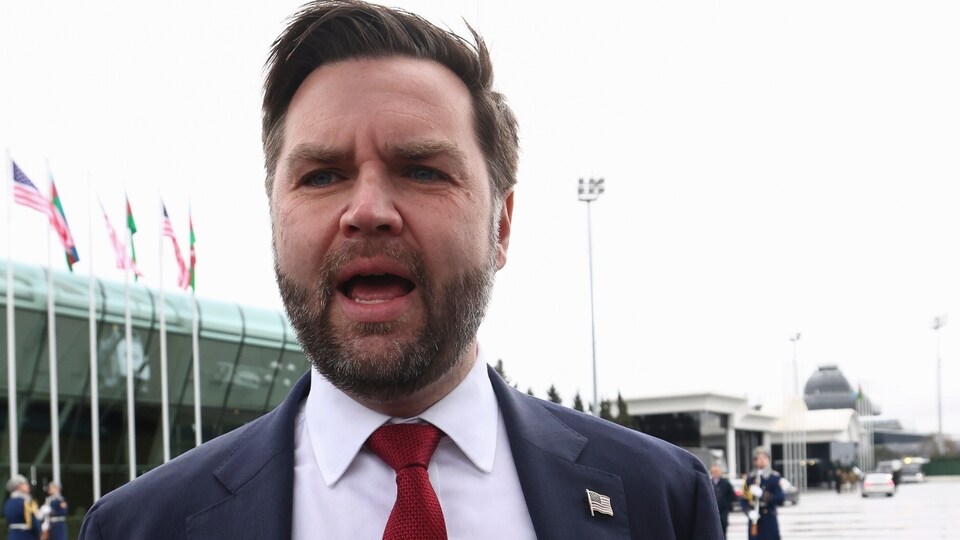
Vance signaled that Washington remains engaged in diplomacy, even as Trump warned of potential military action if Iran fails to address key concerns, starting with its nuclear program.
“In some ways, it went well; they agreed to meet afterwards,” Vance said in a Fox News interview.
“But in other ways, it was very clear that the president has set some red lines that the Iranians are not yet willing to actually acknowledge and work through,” Vance told “The Story with Martha MacCallum” program.
“We’re going to keep on working it. But of course, the president reserves the ability to say when he thinks that diplomacy has reached its natural end,” Vance said.
“We hope we don’t get to that point, but if we do that will be the president’s call.”
Also Read | Iran signals progress in US talks after Strait of Hormuz military drill | 10 key points
What is happening?
Iran said Tuesday it had reached a broad understanding with the United States on “guiding principles” for a potential agreement during talks in Geneva, while US Vice President JD Vance cautioned that Tehran had not yet acknowledged all of Washington’s red lines.
The Oman-mediated discussions were aimed at reducing tensions and avoiding the prospect of US military action over Iran’s nuclear programme.
The talks came amid heightened strain following recent unrest inside Iran and an increased American military presence in the region.
Earlier in the day, Iran’s supreme leader warned that the country possessed the capability to strike a US warship deployed nearby, after President Donald Trump alluded to possible “consequences” if negotiations failed.
Following the talks, Foreign Minister Abbas Araghchi told state television that the latest round had been “more constructive” than earlier meetings. He said both sides had agreed on a set of guiding principles that would serve as the basis for drafting a potential deal.
Araghchi added that once draft texts were prepared, they would be exchanged and a date set for a third round of negotiations.
In Washington, Vance signaled that the United States remained committed to diplomacy but offered a more measured assessment, emphasizing that significant differences remained.