
 E-Paper



Iran's last-minute, 2-point caveat for talks with US in Islamabad: Stop Lebanon war, and unfreeze assets
Iran has been unable to obtain tens of billions of dollars of its assets in foreign banks, mainly from exports of oil and gas, due to US sanctions

 Prefer HTon Google


While US President Donald Trump was talking about “reloading” warships, and claiming that Iranians are “alive today” only to negotiate, the regime in Tehran on Friday set a two-pronged condition before any talks can be held. This, even as Vice President JD Vance was already on a plane to Islamabad for talks scheduled for Saturday.
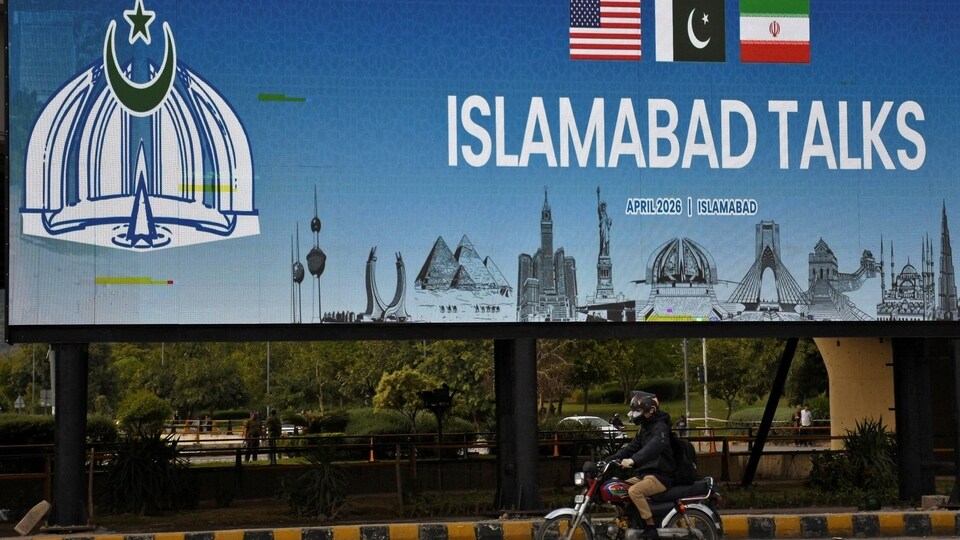
The two demands are: Iranian assets frozen because of ongoing US and global sanctions must be unblocked; and a ceasefire be reached in Lebanon too. Iran's parliament speaker Mohammad Baqer Ghalibaf claimed on X that these two conditions were already agreed upon with the US, but the talks won't start until these are fulfilled.
Iran has been unable to obtain tens of billions of dollars of its assets in foreign banks, mainly from exports of oil and gas, due to US sanctions on its key sectors, news agency Reuters noted in its report.
What are the pre-conditions, really?
Both sides continue to make counter-claims on how the two-week ceasefire was reached on Wednesday, April 8, and what the pre-conditions for the talks are.
Ambiguity persists.
Trump has claimed Iran has agreed to kill its nuclear programme, which he he alleged was meant to make a bomb. Iran has denied having agreed to such a caveat for the talks, and insisted that its uranium-enrichment programme is for nuclear power generation for civilian use.
By late Friday, Iran upped the ante and underlined its demands on Lebanon and the frozen assets.
Foreign minister Abbas Araghchi echoed Ghalibaf's statement, expressly demanding an end to Israeli airstrikes on Lebanon.
Israel says Lebanon is not part of the peace deal, and that the strikes, which have killed hundreds of civilians, are targeting Iran-backed Shia militia Hezbollah.
Vance takes flight, Trump goes ballistic
Both Ghalibaf and Araghchi are expected among Iranian officials at the talks, Pakistani sources have said.
For the US, it's going to be Vance, plus Trump's friend and Special Envoy Steve Witkoff and son-in-law Jared Kushner.
While there was no immediate comment from the White House on Iran's two demands, Trump went ballistic in a post on Truth Social.
"The Iranians don’t seem to realize they have no cards, other than a short term extortion of the World by using International Waterways. The only reason they are alive today is to negotiate!" he wrote.
The ceasefire has so far halted the campaign of US and Israeli airstrikes on Iran, but has done nothing to end the blockade of the Strait of Hormuz, which has caused the biggest-ever disruption to global energy supplies. Not has the truce calmed a parallel war waged by Israel in Lebanon.
Trump earlier told the New York Post that US warships were being reloaded "with the best ammunition to resume strikes on Iran if peace talks in Pakistan fail".
Vance, before leaving for Islamabad, said he expected a positive outcome, but added, "if they're going to try to play us, then they're going to find the negotiating team is not that receptive".


