
 E-Paper



Islamic State’s Caliphate Is Gone. Its Influence Lives On.
The group lost much of its territory years ago but continues to inspire lone-wolf attacks such as the one on Sydney’s Bondi Beach.


 Prefer HTon Google


More than six years after Islamic State’s caliphate collapsed in the Middle East, the group’s brand of extreme violence lives on, inspiring lone-wolf attacks such as the one on Sydney’s Bondi Beach.
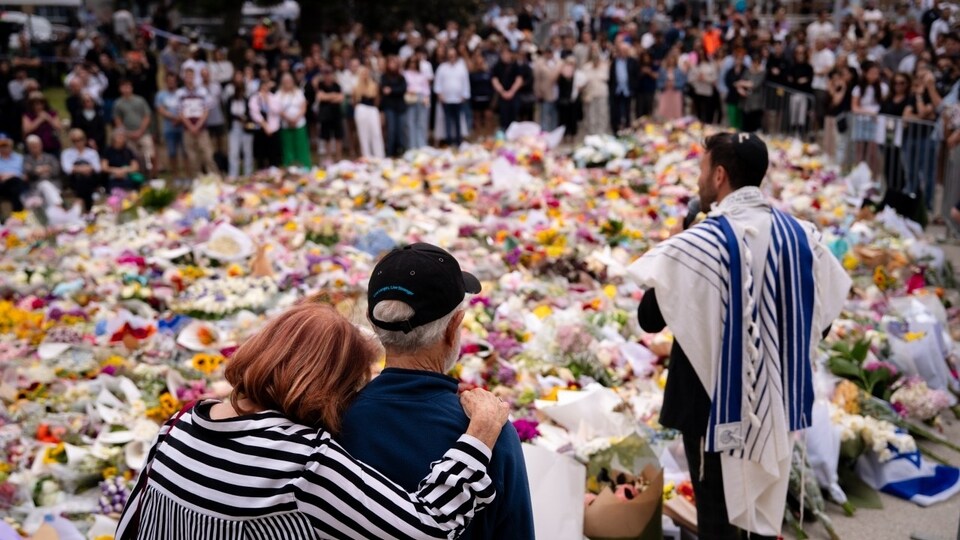
The group, which once imposed harsh Islamist rule in parts of the Levant and relied on fighters it trained there, now recruits and radicalizes operatives it finds online, many of whom have seized on the war in Gaza to justify violent acts against Jews.
While Islamic State retains militant strongholds in parts of Africa and Asia, the attacks it inspires in the West have ensured the group retains global visibility.
Father and son Sajid and Naveed Akram, whom Australian authorities say killed 15 people attending beachside Hanukkah celebrations on Sunday, had brought homemade Islamic State flags in their car along with improvised explosive devices, police said.
Australian intelligence officials scrutinized Naveed, the son, in 2019 for suspected links to a cell inspired by the extremist group. Authorities are investigating a trip both men took last month to an island in the Philippines where local insurgents have previously sworn allegiance to Islamic State.
The group, largely a spent force operationally, relies on a sophisticated propaganda machine to recruit fighters that is mostly based on a nexus of dark-web servers, viral social-media postings and artificial intelligence, experts say.
“The online sphere is 100% key to these attacks,” said Hans-Jakob Schindler, the former coordinator of the United Nations Security Council’s panel on Islamic State and al Qaeda.
“The internet is all about outrage. It is perfect for IS extremism that builds on grievances,” he said, using an abbreviation for the group.
In the past five years, 93% of fatal terrorist attacks in the West were perpetrated by lone-wolf actors, according to the Institute for Economics & Peace, a think tank.
Islamic State emerged in Syria and Iraq in 2014 where it quickly seized control of vast areasbefore being almost completely obliterated five years later in a U.S.-backed counterterrorism operation.
It claimed responsibility for an attack in Syria over the weekend, in which a lone gunman killed two U.S. servicemembers and one American civilian.
In the U.S. and Europe over recent years, so called lone-wolf attackers have often claimed to act on behalf of the group. Most or all were radicalized online and didn’t have operational affiliation to any organization, officials have said.
It marks a significant shift from the group’s early days, when attacks were carried out largely by veterans of its campaign of violence across parts of the Middle East. The perpetrators of a string of attacks that killed 130 people in Paris in November 2015 had been Islamic State fighters in Syria.
The man responsible for a deadly ramming and knife attack on a synagogue in Manchester, England, in October called emergency services from the scene declaring allegiance to Islamic State, before he was shot dead by authorities, British police said. He was influenced by “extreme Islamist ideology,” they added.

That attack, along with Sunday’s on Bondi Beach, reflect how Islamic State followers have drawn a link between their violent acts and Israel’s war against Hamas in Gaza. More than 70,000 Palestinians have died and over 171,000 people have been wounded in the conflict, according to health authorities in the Palestinian enclave, who don’t say how many were combatants. The war began after deadly Hamas-led attacks in southern Israel killed some 1,200 people and saw 250 hostages taken by the group and its allies.
Islamic State and other jihadists have “attempted to capitalize on the conflict between Israel and Hamas, situating it within wider global jihadist narratives to drive engagement with their terrorist agendas,” the U.K.’s intelligence and security committee said in a parliamentary report published Monday. “Encouraging individuals to carry out attacks is highly likely to continue.”
Islamist-inspired attacks remain by far the biggest source of political violence in Europe, though far-right terrorism is on the rise. Jihadist-related acts accounted for 64% of all terrorism cases on the continent in 2024, down from 74% the previous year, according to the European Union’s law-enforcement agency, Europol.
“The threat has come more via the keyboard from homegrown, self-radicalized lone operators—a dispersed and networked danger,” said Richard Moore in a speech in September to mark the end of his tenure as head of the U.K.’s foreign intelligence service, MI6.
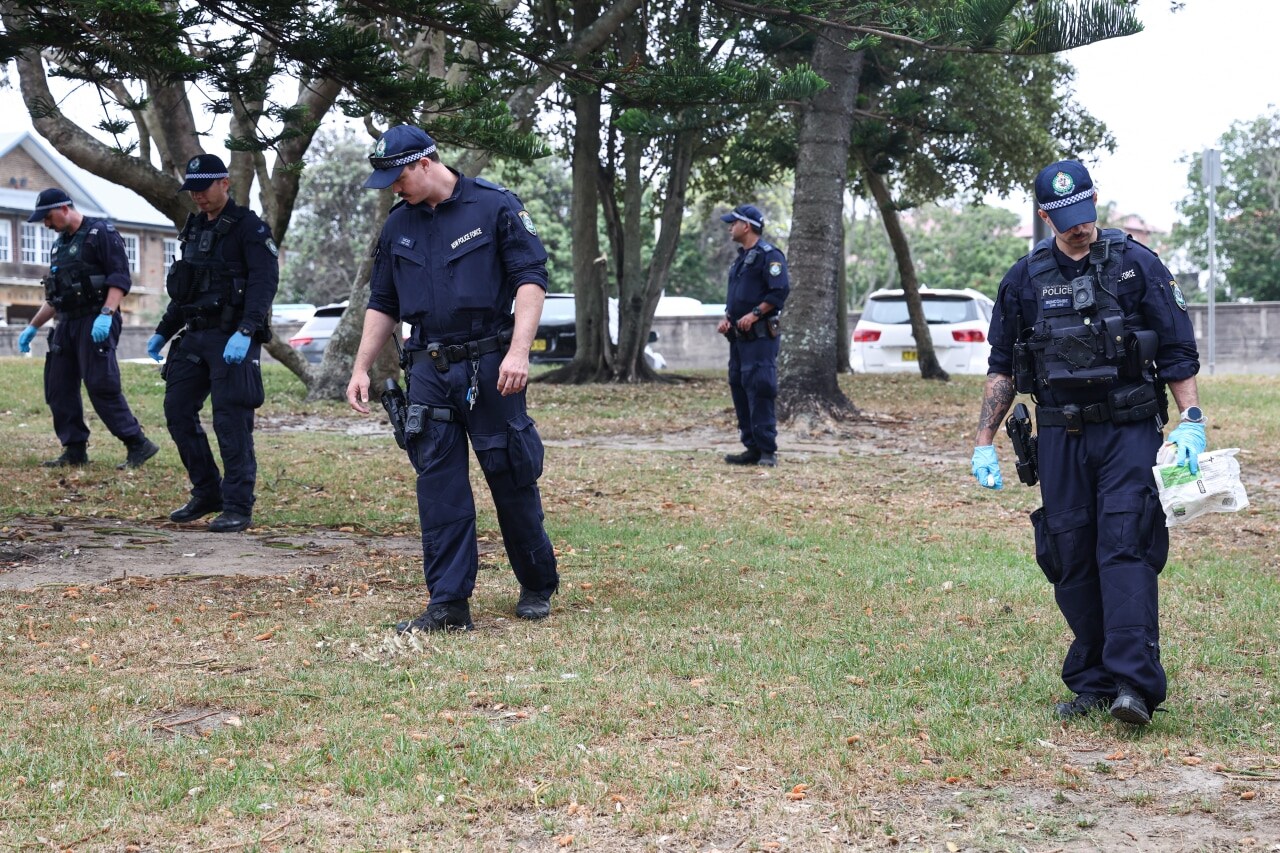
Most online platforms expelled Islamic State after it first burst onto the world stage in 2014. But the group has become adept at shape-shifting to circumvent the crackdown, said Moustafa Ayad, an executive director at the Institute for Strategic Dialogue, a nonprofit that tracks extremist online content.
Much of its content sits on password-protected websites on data storage platforms that go largely undetected, said Tech Against Terrorism, a U.N.-backed organization that works with tech companies and government to crack down on extremist material online.
A joint investigation last year by Spanish authorities, the Federal Bureau of Investigation and Europol led to the seizure of computer servers in Germany, the U.S. and Iceland that stored Islamic State content including bomb-making manuals and cryptocurrency wallets.
Supporters typically create new accounts as older ones are deleted and scrub text of references to the group, or remove its logos, to avoid detection, said Ayad.
Footage from an Islamic State-claimed attack outside Moscow in 2024 that killed 137 people was recirculated 73 times on social-media platform X and received 22 million views before being taken down, according to the ISD, which added that the content wasn’t disseminated by accounts affiliated to the group.
Islamic State has also tried to exploit the reach of TikTok to radicalize and recruit young people, according to a U.N. counterterrorism report from July.
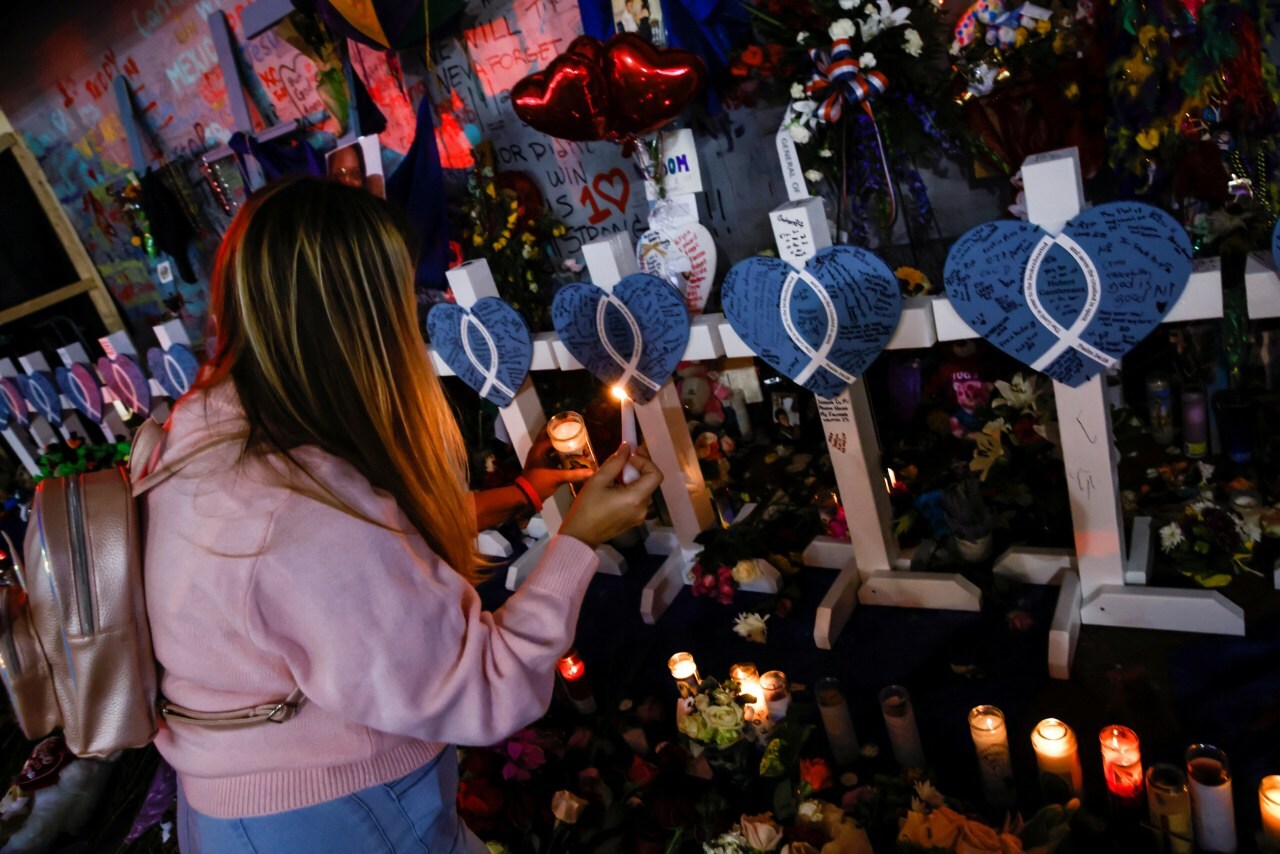
When an Islamic State-inspired attacker rammed a crowd in New Orleans on New Year’s Day this year, killing 15 people, he posted footage of the attack on Facebook. The video was widely shared on TikTok, where posts glorifying the attacker generated thousands of views, the ISD said. Schindler, the former U.N. counterterrorism official, blamed the rapid dissemination of such footage on “an abject failure of the platforms” to police content.
Facebook’s owner, Meta Platforms, said it removed all content posted by the perpetrator and those praising his action. “Islamic State and all related organizations are banned from our platform,” the company said. It added it often sees “instances of groups or individuals taking on new tactics to avoid detection and evade our policies and enforcement.”
TikTok said that it removed more than 6.5 million videos for violating its rules against violent and hateful organizations in the first half of this year. It said it removed 17 networks promoting violent extremism online, comprising more than 920 accounts, in 2025.
Islamic State recruits are getting younger, according to a February U.N. report. It cited the arrest in Austria last year of a 19-year-old suspected of planning an attack during a Taylor Swift concert in Vienna, as well as the arrest of an 18-year-old Chechen detained trying to attack an Olympic football match in France. Security forces across Europe last year also arrested 25 minors who were part of online groups connected to Islamic State as they were completing plans for coordinated simultaneous attacks in several cities.
Online grooming often starts with generic propaganda before moving to precise instructions for attacks. A Syrian refugee who stabbed three people to death in northern Germany last year had initially consumed Islamic State-related content online before being radicalized by the war in Gaza, said Schindler.
The man then connected online with Islamic State sympathizers and spread extremist content, he added. Acting on the group’s advice available online, he bought a kitchen knife—rather than one that might draw officials’ notice—and stabbed the victims’ necks to increase the likelihood they would die, said Schindler, who is now senior director at the Counter Extremism Project, a nonprofit that combats extremist ideologies.
Islamic State is also increasingly using AI tools to automatically translate propaganda, according to a U.N. counterterrorism report. The group’s members in Central Asia are using AI to spread instructions for making improvised explosive devices from household ingredients and for 3-D printing weapons components. The content is then disseminated on the Telegram and WhatsApp messaging apps, it said. Neither of the companies responded to a request for comment.
Write to Benoit Faucon at benoit.faucon@wsj.com


