
 E-Paper



India engages Moscow for students' evacuation through Ukraine-Russia borders
A Russian speaking Indian Embassy team has been stationed in Belgorod on Ukraine's eastern border for the past few days, waiting for Putin forces to give a safe passage to evacuate Indians stuck in Kharkiv and Sumy.

 Prefer HTon Google


With Operation Ganga in full swing on Ukraine's western borders, the Narendra Modi government is in constant touch with Moscow to give safe passage to Indian students stranded in Kharkiv and Sumy warzones and allow evacuation through the eastern border with Russia. A Russian speaking team from the Indian embassy in Moscow has been parked in Belgorod, which is close to both war-hit cities of Ukraine, for the past few days and evacuation through Russian diplomatic channels are being worked out at the highest levels.
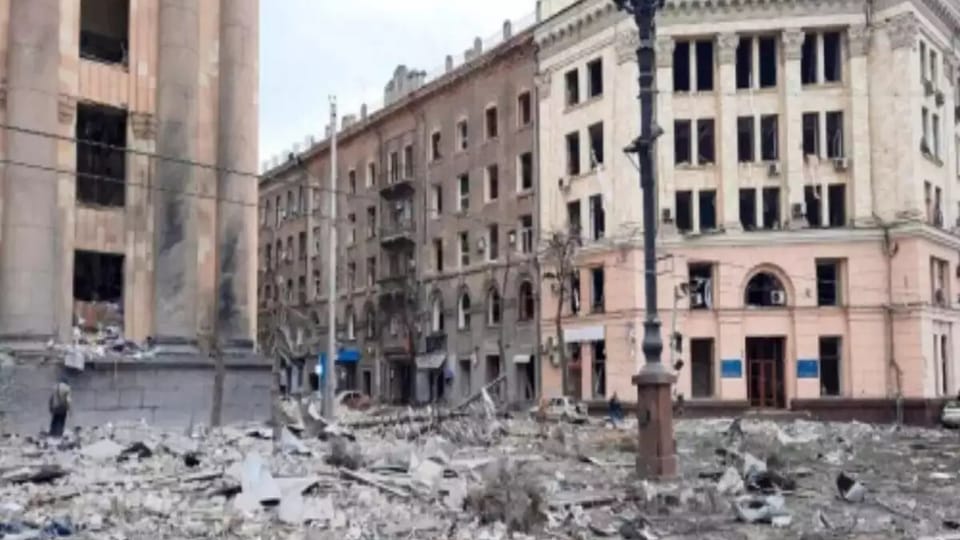
According to ballpark figures available, due to the fullest cooperation of Poland, Slovakia, Hungary, Moldova, and Romania governments, as many as 13000 Indians have been evacuated out of Ukraine through the western borders with another 3000 making their way to the Ukraine war zone to safety. Around 4,000 Indian students are stuck in Kharkiv and Sumy, where the Russian military offensive is on with Putin’s forces trying to encircle the key cities of Ukraine in a typical World War II operation.
Read | Ukraine fight will weaken both US and Russia, China is the winner
With Russian-Hungarian speaking External Affairs Minister Subrahmanyam Jaishankar having past personal equity with Foreign Ministers of all nations on Ukraine’s western border, Operation Ganga has taken off on the western front. “The problem is moving the stranded Indians to the western borders due to traffic jams and long queues on the Ukrainian side of the border. There is no problem being faced in evacuation as all the countries are offering the fullest cooperation. A total of seven Russian speaking teams are available on all borders as well as Ukraine,” said a senior Indian diplomat on the Poland-Ukraine border. The synergy between the Ministry of External Affairs on Raisina Hill and the diplomats on the borders is evident as all the Indian missions in Europe have dispatched young officers to the Ukraine borders.
However, the key concern of the Modi government is evacuation from the eastern borders as both Kharkiv and Sumy are at the heart of the Russian offensive towards Kyiv. With all the roads choked by massive Russian armoured vehicles and rocket regiments from Belarus and the eastern border with Ukraine, the only option of safe evacuation for Indian students will be if Moscow allows a safe passage to the stranded Indians as there is full-fledged urban warfare going on within the cities. “The movement of Indians who are in bunkers can be only possible through a safe passage or else the student will be sitting targets of heavy artillery shelling and missile firing in the region,” said a former foreign secretary.
With the Ukrainians showing no signs of giving up the fight with Russian forces, the war is expected to drag on and become bloodier by the day with Putin aiming for the occupation of Kyiv and ouster of the Zelensky government. The window of evacuation for Indians is closing fast.


