
 E-Paper



Japan's ‘self-defence-oriented security policy’ on China threats
The shift is the result of Tokyo's fears about China's growing military strength and regional posturing.

 Prefer HTon Google


Japan is expected to announce its biggest defence overhaul in decades this week, hiking spending, reshaping its military command and acquiring new missiles to tackle the threat from China.
The policies, to be outlined in three defence and security documents as soon as Friday, will reshape the defence landscape in a country whose post-war constitution does not even officially recognise the military.
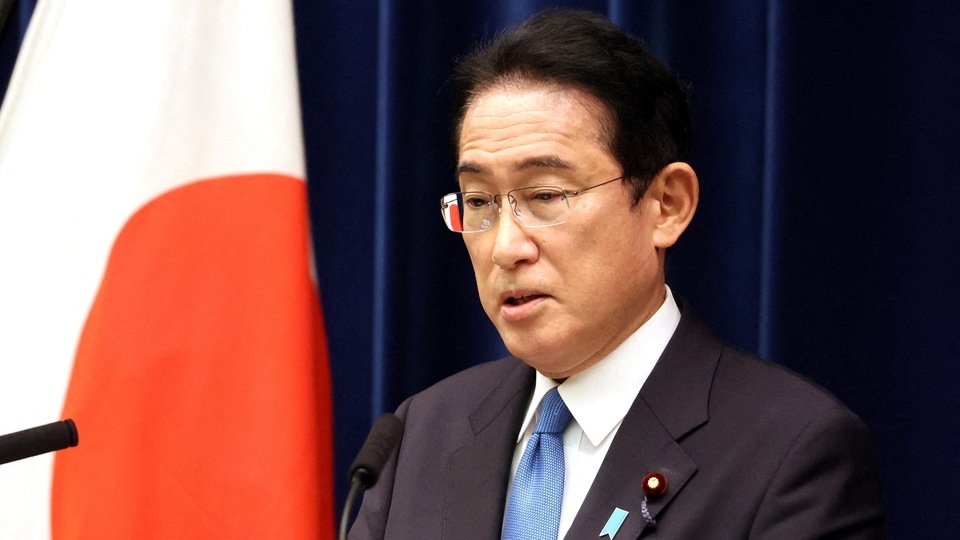
"Fundamentally strengthening our defence capabilities is the most urgent challenge in this severe security environment," Prime Minister Fumio Kishida said at the weekend.
"We will urgently ramp up our defence capabilities over the next five years."
The shift is the result of Tokyo's fears about China's growing military strength and regional posturing, as well as threats ranging from North Korean missile launches to Russia's invasion of Ukraine.
Key among the new policies is a pledge to boost spending to two percent of GDP by 2027 to bring Japan in line with NATO members.
Read more: Congo's worst floods kills over 120, government buildings inundated: Updates
That marks a significant increase from historic spending of around one percent, and has sparked criticism over how it will be financed.
The money will fund projects including the acquisition of what Japan calls "counterstrike capacity" -- the ability to hit launch sites that threaten the country, even preemptively.
Japan has previously shied away from acquiring that ability over disputes on whether it could violate the constitution's limit on self-defence.
In a nod to the controversy, the policy documents will reportedly insist that Japan remains committed to a "self-defence-oriented security policy" and will "not become a military power".
Part of that capacity will come from up to 500 US-made Tomahawk cruise missiles Japan is reportedly considering purchasing as a backstop while it develops longer-range missiles domestically.


