
 E-Paper



Kaiser Permanente Strike: All there is to know about the workers strike
Workers across states in the U.S. have gone on a strike being called the biggest health care strike in recent history. Learn what it is all about.

 Prefer HTon Google


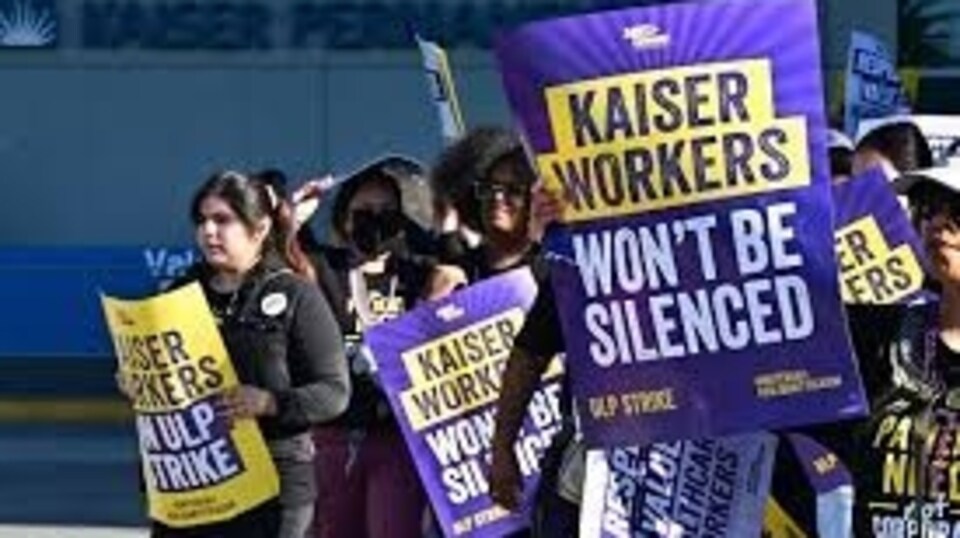
In what is being called the biggest healthcare strike in recent U.S. history, workers from Kaiser Permanente have gone on a three-day action.
Formed in 1945 in Oakland, it is the largest private employer in the state. Operating 36 hospitals and more than 500 medical office buildings in California the company provides private health insurance to roughly half of California.
75,000 workers in eight states and the District of Columbia, along with more than 60,000 workers in California have prepped for a three-day action.
What is being demanded are higher wages and higher staffing levels, adding that staff shortages at clinics and hospitals are making it impossible to provide adequate care to patients.
In a conversation with New York Times reporter, Edward Lopez Matus, a medical assistant on the picket line shared that he had to help two doctors because his team was short-staffed. Consequently, patients have to wait longer for attention and the chances of mistakes are increased due to the burden.
“That’s not the care our patients need, our patients need our undivided attention,” said Edwar who has been working for Kaiser for seven years now.
He also added that despite working at Kiaser he drives Uber 40 hours a week in order to be able to subsist.
“My entire paycheck goes to rent, it's ridiculous,” said the healthcare worker.
Adding to Edward's point Timothy Regan, a clinical health educator working for Kaiser in San Fransisco for 25 years, stated that he is partaking in the strike in order to ensure better working conditions for the next generation.
These workers are people with medical backgrounds laboratory workers, pharmacy technicians, phlebotomists and housekeepers all of whom are essential in a medical environment on a day-to-day basis and whose absence can cause a dent in services being provided to the patients.
Kaiser Permanente officials have stated that they are working with the union leaders to resolve the issue and that there's already "been a lot of progress."
While doctors and nurses are not involved as of yet, the company officials have warned that some nonurgent procedures have been postponed with some locations being shut off temporarily and some operating on reduced hours.
Hospitals and emergency departments are still accessible to those in need of medical attention.


