
 E-Paper



Kevin Warsh’s Honeymoon With the Bond Market Is Already Over
Investors warned that the Fed must show commitment to inflation fight after Wednesday’s selloff.


 Prefer HTon Google


The bond market has a message for Kevin Warsh: Don’t try that again.
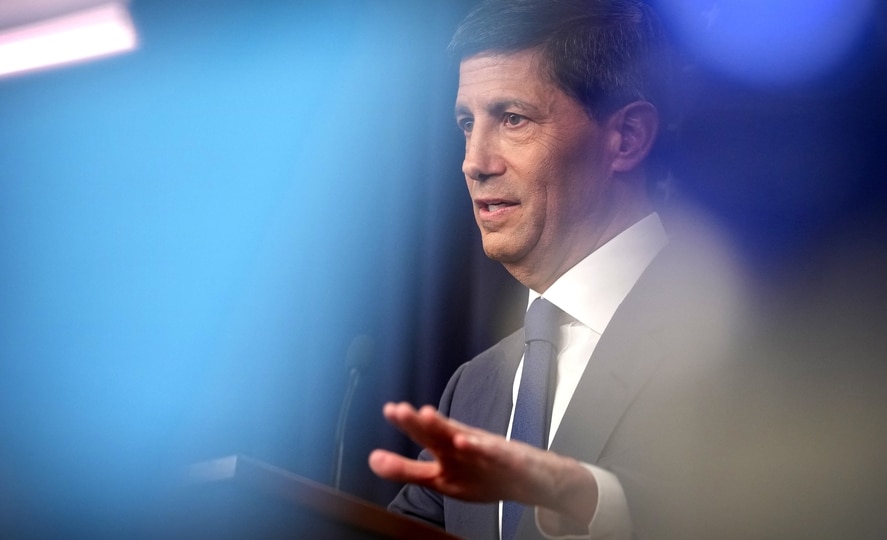
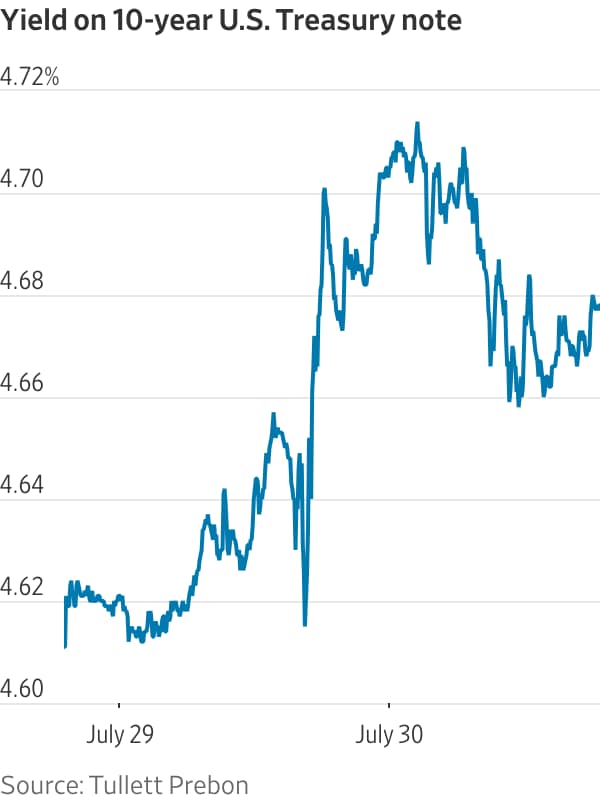
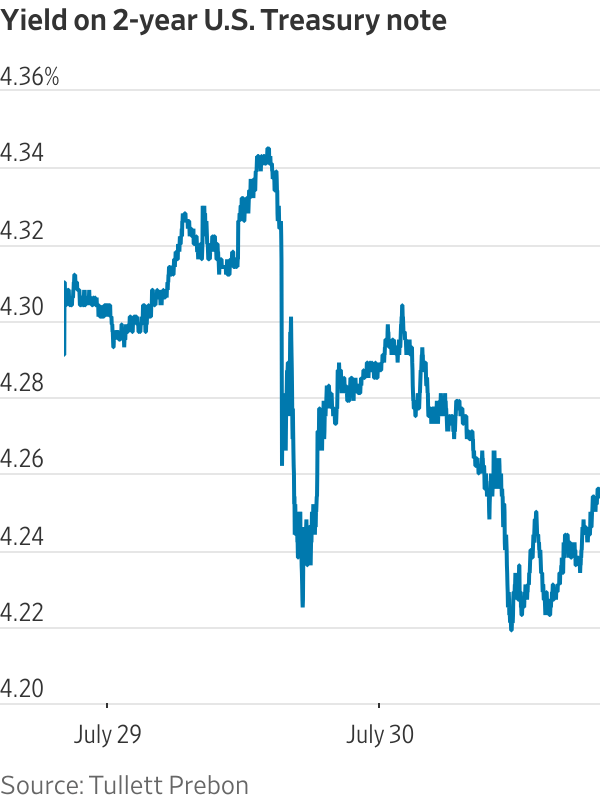
Yields on longer-term U.S. Treasurys held near their highest levels in 19 years Thursday, a day after the Federal Reserve chairman jolted the market by failing to persuade investors that he was willing to support rate increases to fight inflation.
The moves were unusual—and alarming. Even as yields on longer-term bonds surged, those on short-term Treasurys fell, indicating concerns that the Fed would wait too long to lift rates and then have to raise them aggressively down the road.
For the new Fed chairman, the action amounted to a warning shot. As yields stabilized Thursday, many investors and analysts said they ultimately still thought that the Fed would respond appropriately to economic data. But they also said that, if given more reason to doubt the central bank, the next selloff would be worse—triggering a damaging increase in rates on everything from mortgages to corporate debt.
Christopher Sullivan, chief investment officer at the United Nations Federal Credit Union, said that if economic data shows a need for the Fed to act and the central bank doesn’t, “that’s tantamount to disaster for the long end of the market.”
Bond investors have hardly been alarmist about threats to the Fed’s independence in recent years.
Treasury yields, which rise when bond prices fall, did tick higher on a couple of occasions last year when President Trump ratcheted up pressure on then-Fed Chair Jerome Powell to cut rates. But investors more often took that pressure in stride.
Many noted at the time that the Fed votes on interest rates as a 12-person committee. Even if the Fed leader traditionally has played a big role in setting policy, he or she could still be outvoted by other members. That has occurred in other countries, including England. Many investors have also doubted that the Fed would ever blatantly position rates too low given the obvious threat of a negative response from the bond market.
Investors generally welcomed Trump’s nomination of Warsh in January, seeing the former Fed governor as likely more independent than some other alternatives, such as National Economic Council Director Kevin Hassett. And they were pleased with his performance at his first post-meeting press conference in June, when Warsh said that Fed officials were united in their commitment to bring inflation back down to the central bank’s 2% target.
Warsh made similar comments Wednesday, but investors were looking for more this time: namely a stronger signal that the Fed would raise rates this year if inflation pressures didn’t ease further.
Instead, Warsh seemed to suggest that rate increases might not be necessary because bond yields had already climbed in recent months—galling to many investors because that increase had been based on an assumption that rate increases were coming soon.
In addition, Warsh suggested that the Fed could consider a range of inflation indicators beyond its official gauge, the personal-consumption expenditures price index. He said that higher rates “could well be part of” the solution to high inflation rather than the main one.
Investors and analysts were unusually sharp in their criticism, with some saying that Warsh would have caused less damage if he hadn’t even held a press conference.
“I think our last choice would have been what we got yesterday,” said Christian Hoffmann, head of fixed income at Thornburg Investment Management. “Warsh suggested policymakers should follow the bond market rather than lead it, and the bond market’s response was to punch him in the face.”
Investors stressed that there was a difference between Wednesday’s sudden jump in yields and the orderly climb that preceded it. Since March, bonds have been pressured by both rising energy prices and solid labor-market data, which shifted investors’ rate expectations. That move has already pushed up borrowing costs but raised few alarms because it was based on economic fundamentals.
Investors on Thursday still offered several reasons for optimism. For all their disappointment with Warsh’s comments, some noted that there still isn’t a clear-cut need to raise interest rates after inflation showed some signs of cooling in June. If that trend continues, the Fed could get away with not raising rates in September, they said, especially if Warsh can do a better job explaining the rate-setting committee’s thinking.
If inflation data is less favorable, there are signs that most investors still think the Fed would raise rates—with or without Warsh’s backing.
Interest-rate futures showed Thursday afternoon that traders saw a 63% chance that the Fed will raise rates in September. That was down from 76% Tuesday, but still up from 56% late Wednesday, according to CME Group data.
Blake Gwinn, head of U.S. rates strategy at RBC Capital Markets, said investors were likely to be comforted in the coming weeks as other Fed officials came forward to explain why they didn’t raise rates and what could cause them to change their position in the future.
“I think it’d be positive for bonds to know that the committee is still in charge, not one person,” he said.
Write to Sam Goldfarb at sam.goldfarb@wsj.com


