E-Paper



No role for China in choosing next Dalai Lama: Penpa Tsering
Tsering’s remarks came against the backdrop of China’s insistence that the choice of the next Dalai Lama has to be decided within Chinese territory and that there should be no interference in the matter by India or any foreign organisation.

 Prefer HTon Google


China’s government can have no role in choosing the next Dalai Lama, especially since its communist leaders don’t even believe in religion whereas the succession of the Tibetan spiritual leader is a deeply religious matter, the next president of the Tibetan government in exile said on Saturday.
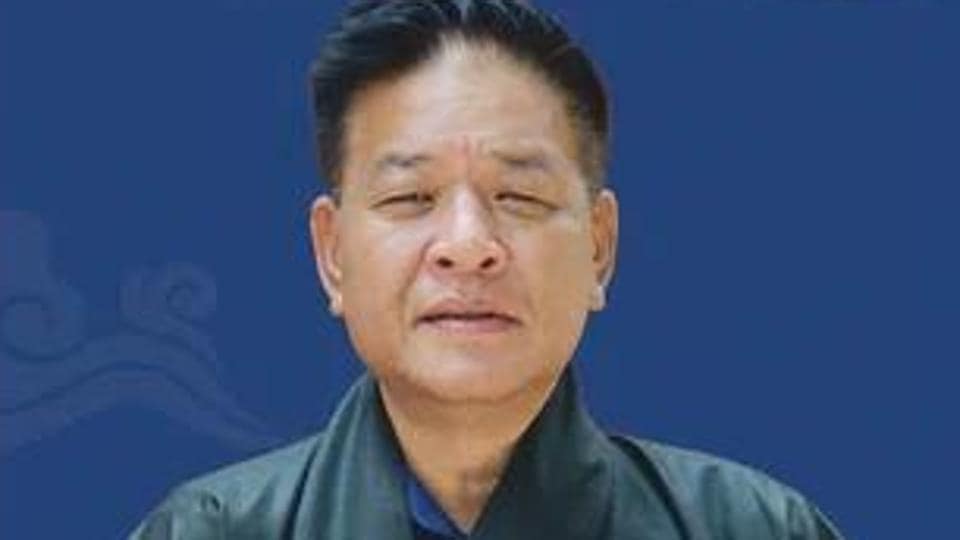
Penpa Tsering, whose election as the head of the executive branch of the Central Tibetan Administration (CTA) was announced on Friday, said he was hopeful the strong bipartisan and bicameral support of the US for the Tibet issue would continue under the Joe Biden administration.
Tsering’s remarks came against the backdrop of China’s insistence that the choice of the next Dalai Lama has to be decided within Chinese territory and that there should be no interference in the matter by India or any foreign organisation. China has contended the Dalai Lama’s successor should be chosen by picking lots from a golden urn in Lhasa and must get the approval of the Chinese government but this has been debunked by the current Dalai Lama, who turns 86 in July.
“The successor to the Dalai Lama is chosen through a Tibetan Buddhist concept and it’s a deeply religious matter, and the Dalai Lama alone is responsible for his reincarnation,” Tsering said ahead of his formal swearing in later this month.
Noting that the Chinese government can have no say in this matter, he added: “If the Chinese Communist leaders are so interested in this issue, then they should learn Buddhism first. Only then they can involve themselves in this matter.”
“If they don’t even believe in religion, how can they get involved in religious matters?”
The question of the Dalai Lama’s successor depends on “individual choices” and the current Dalai Lama will have the final say, Tsering said. “He will decide, he is the final authority.”
The Biden administration recently made it clear that the Chinese government should have no role in the succession process of the Dalai Lama, and Tsering noted that his election had been acknowledged by the US state department.
Experts say India and the US have largely similar positions on the Dalai Lama’s succession.