
 E-Paper



Party of Sri Lanka's new Marxist-leaning President Anura Kumara Dissanayake wins majority in parliament
According to the Election Commission results, Anura Kumara Dissanayake’s National People’s Power Party has won at least 123 of the 225 seats in Parliament.

 Prefer HTon Google


Sri Lanka’s new Marxist-leaning President Anura Kumara Dissanayake’s party has secured a majority in Parliament, according to official election results on Friday, November 15, giving him a strong mandate for his economic revival agenda.
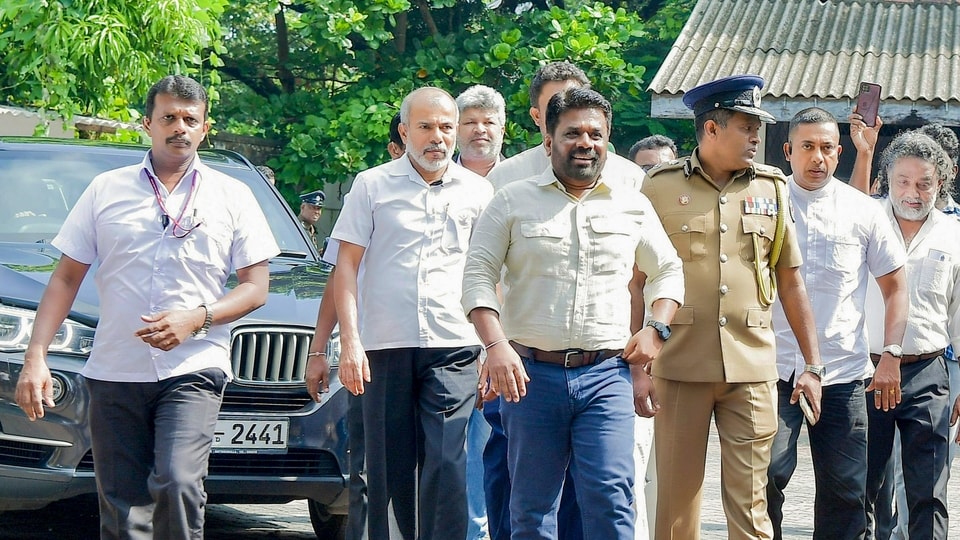
According to results from the Election Commission, Anura Kumara Dissanayake’s National People’s Power Party has won at least 123 of the 225 seats in Parliament, the Associated Press reported.
The Samagi Jana Balawegaya (United People's Power Party), led by opposition leader Sajith Premedasa, secured 31 seats.
Dissanayake was elected president on September 21, rejecting traditional political parties that have governed Sri Lanka since its independence in 1948.
Despite receiving only 42 per cent of the vote, raising questions about his party’s prospects in the parliamentary elections, Dissanayake's party saw a significant surge in support in less than two months since his presidency.
In a major surprise and a significant shift in Sri Lanka's electoral landscape, Dissanayake's party won the Jaffna district, the heart of the ethnic Tamil community in the north, along with many other minority strongholds.
This victory in Jaffna represents a major blow to traditional ethnic Tamil parties that have dominated northern politics since independence.
It also signals a shift in the attitude of Tamils, who have historically been wary of Sinhalese-majority leaders. Ethnic Tamil rebels fought an unsuccessful civil war from 1983 to 2009, aiming to create a separate homeland, citing marginalisation by Sinhalese-led governments.
According to conservative UN estimates, over 100,000 people were killed in the Sri Lankan civil conflict.
Of the 225 seats in parliament, 196 were contested under Sri Lanka’s proportional representation system, which allocates seats to parties based on the proportion of votes they receive in each district.
The remaining 29 seats, known as national list seats, are allocated to parties and independent groups based on the proportion of the total votes they receive nationwide.


