
 E-Paper



Russian interference in US election: All you need to know about the probe
A federal grand jury has approved the first charges in the investigation into alleged Russian meddling in the 2016 US presidential election.


A federal grand jury on Friday approved the first charges in the investigation into alleged Russian meddling in the 2016 US presidential election, a source briefed on the matter told Reuters.
The indictment was sealed under orders from a federal judge so it was not clear what the charges were or who the target was, the source said, adding that the indictment could be unsealed as early as Monday.
Here’s all you need to know about the alleged Russian meddling in US election:
The probe
US intelligence agencies concluded in January that Russia interfered in the election to try to help President Donald Trump defeat Democratic candidate Hillary Clinton through a campaign of hacking and releasing embarrassing emails, and disseminating propaganda via social media to discredit her campaign.
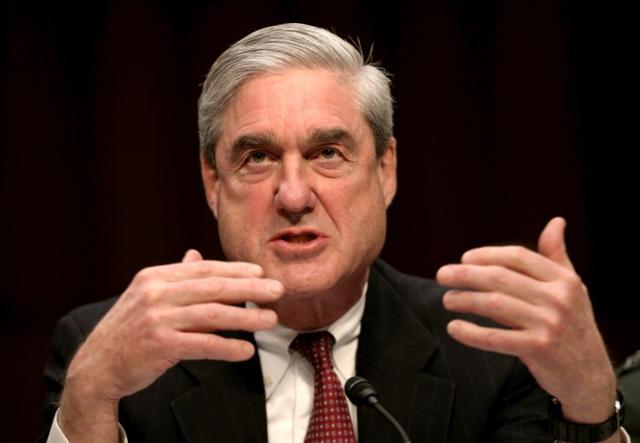
Special counsel Robert Mueller, a former director of the Federal Bureau of Investigation, is investigating whether Trump campaign officials colluded with those Russian efforts. He was appointed by the Justice Department to lead the investigation a week after the US President fired FBI director James Comey, who was leading a federal investigation into possible collusion with Russia.
Role of social media in collusion?
The Senate Intelligence Committee, which is carrying out a separate probe, had asked top tech companies Google, Facebook and Twitter in September to testify about Russian interference in US politics.
Facebook had recently revealed that for just $100,000, apparent Russia-linked buyers placed some 3,000 advertisements on its pages last year that appeared aimed at influencing the election. According to reports, the ads sought to boost the Democratic and Republican rivals of then-election frontrunner Hillary Clinton, as well as to sow discord among Americans in ways that would damage Clinton’s voter base.
Google had said it was not used in the alleged Russian campaign to steer the US election but, according to Buzzfeed, its automated ad-targeting system lets advertisers direct ads to people using racist and anti-Semitic search terms.
Twitter meanwhile has been shown to be a dense thicket of easily faked accounts and news items that allowed alleged Russian operatives to pump out politically divisive and anti-Clinton tweets.
Who is under investigation?
Sources familiar with Mueller’s investigation said he has used that broad authority to investigate links between Trump aides and foreign governments as well as possible money laundering, tax evasion and other financial crimes.
Mueller’s team has conducted extensive interviews with former White House Chief of Staff Reince Priebus, former spokesperson Sean Spicer and other current and former White House officials. It also examined foreign lobbying by former national security adviser Michael Flynn, and others, reported CNN.
Trump, Kremlin deny accusations
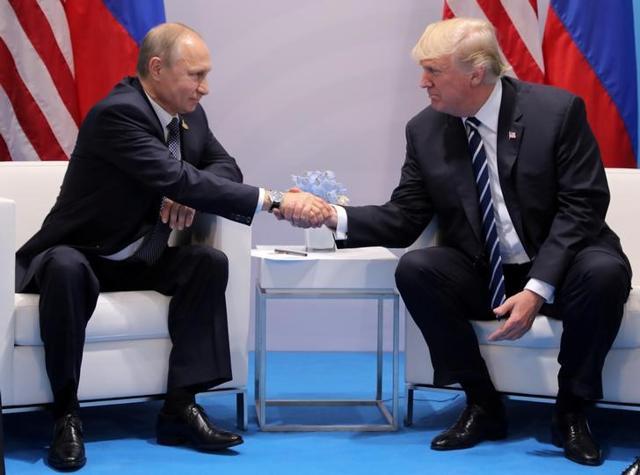
Trump, a Republican who was elected president last November, has denied allegations that his campaign colluded with Russians and condemned investigations into the matter as a witch hunt.
However, in an interview with NBC after Comey’s removal, Trump admitted that he was thinking about “this Russia thing” when he decided to fire Comey.
Russia has repeatedly denied US intelligence agencies’ conclusions that Moscow meddled in the election and Trump has denied any collusion between his campaign and Russian officials.


