
 E-Paper



Sherpas are superhuman climbers, says Cambridge research
Nepal’s Sherpas have evolved into superhuman mountain climbers, having fewer red blood cells but higher levels of nitric oxide, a chemical that opens up vessels and keeps blood flowing.


Sherpas in Nepal have evolved to become superhuman mountain climbers, extremely efficient at producing the energy to power their bodies even when oxygen is scarce, according to new research by experts at the University of Cambridge.
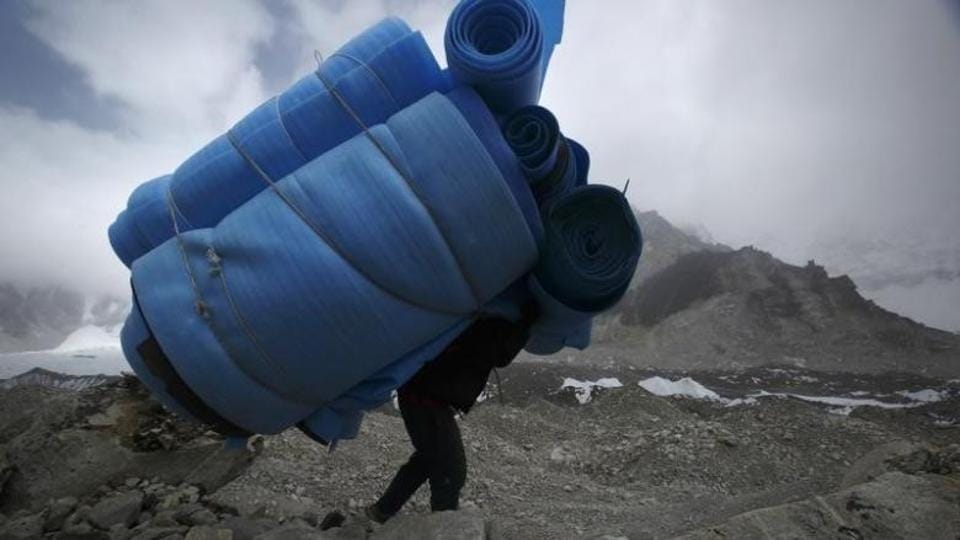
Their study on the metabolic differences between Sherpas and lowlanders was based on an expedition to the Everest base camp, and has been published in the Proceedings of National Academy of Sciences.
Scientists have known that people have different responses to high altitude. While most climbers require additional oxygen to scale Mount Everest, whose peak is 8,848 metres above sea level, a handful of climbers have managed to do so without.
Most notably, Sherpas are able to live at high altitude with no apparent consequences to their health. As a result, many act as guides to support expeditions in the Himalayas, and two Sherpas are known to have reached the summit of Everest an incredible 21 times.
To understand the metabolic differences between Sherpas and lowlanders, a team of researchers led by scientists at the University of Cambridge followed two groups as they made a gradual ascent up to the Everest base camp at an elevation of 5,300 metres, said a statement from the university.
Previous studies have suggested differences between Sherpas and people living in non-high altitude areas, known collectively as lowlanders, including fewer red blood cells in Sherpas at altitude, but higher levels of nitric oxide, a chemical that opens up blood vessels and keeps blood flowing.


