
 E-Paper



Sri Lanka faces liquidity crunch, Pakistan stares at economic abyss
Pakistan foreign reserves have fallen to USD 4.2 billion, which is enough to cater for one month of import bill. Sri Lanka is facing a liquidity crunch.

 Prefer HTon Google


Despite Sri Lanka getting the first tranche of a US dollar 362 million loan from the IMF, the island nation is facing a liquidity crunch as the loan conditions stipulate no more printing of Sri Lankan currency to curb the inflation and for prudent fiscal management. On March 20, the IMF cleared the USD 2.9 billion-dollar package for Sri Lanka in eight installments.
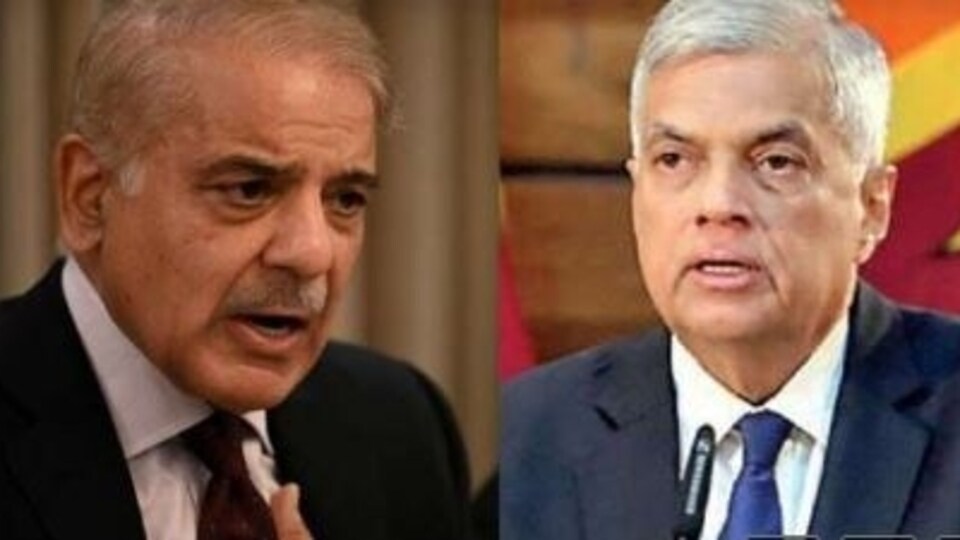
It is understood that Sri Lanka has repaid nearly half of US dollar 500 million dollar loan taken for fuel purchases last year, it is quite evident that donor nations including China, Japan and even India will have to take a significant haircut as part of debt restructuring of the island nation.
While Sri Lanka continues to struggle with the ongoing economic crisis after May 20, 2022 default, another Indian neighbour and cat’s paw of China in the Indian sub-continent, Pakistan, is staring at a default with reports indicating that Islamabad will have to cough up USD 77.5 billion in external debt between April 2023 to June 2026 to iron brother China, private creditors and Saudi Arabia. The external debt is one-fourth of Pakistan's economy of USD 350 billion.
Even though Pakistan finance Finance Minister Ishaq Dar has assured the nearly bankrupt Islamic republic that it will manage a USD 6.5 billion package from IMF, Pakistan is facing a serious economic and political crisis with aggravated insurgencies in Balochistan and in Khyber-Pakhtunkhwa regions. With ousted prime minister and PTI chief Imran Khan going for the jugular of the Pakistani establishment to regain power, the judiciary split and PM Shehbaz Sharif facing public wrath over food shortage and rampant inflation, Islamabad has a fully blown crisis at hand with the world focused on Russian actions in Ukraine and Chinese actions on Taiwan. As the IMF package will come with riders accompanied with raising of taxes and rationalization of power tariff, the political cost of economic pain to the public will lead to further public disenchantment of the politicians and the Rawalpindi GHQ.
The Pakistan foreign reserves have fallen to USD 4.2 billion, which is enough to cater for one month of import bill. The USD-PKR exchange rate is touching 280 Pakistani Rupees to a US Dollar and there are food shortages in all provinces barring Punjab, the core of Pakistan.
According to a report by the United States Institute of Peace this week, the Islamic Republic holds external debt and liabilities of USD 126.3 billion as of December 2022. Nearly 77 per cent of this debt, amounting to USD 97.5 billion, is directly owed by the Pakistan government to various creditors and an additional USD 7.9 billion is owned by government-controlled public sector enterprises to multilateral creditors.
Pakistan owes USD 45 billion to multilateral institutions, USD 8.5 billion to Paris Club of creditor nations, USD 27 billion to China and some USD 7.8 billion as private debt and commercial loans. While Islamabad believes that iron brother China and fellow-Sunni Islamic nations will not let Pakistan default by refinancing loans, the repayment pressure will mount on the Islamic Republic to the tune of USD 24.6 billion in 2024-2025.
Given that Pakistan has virtually moved into the China-Russia axis and depends on Beijing for military hardware, the west, post withdrawal from Afghanistan, is rather indifferent to the woes of the Islamic Republic as it struggles to contain the rise of China. That Pakistan is a lackey of China does not really help its case.


