
 E-Paper



Palestinians stare at ‘die hungry or leave territory’ as Gaza starvation peaks, Israel blames Hamas again
Aid agencies have urged Israeli govt to work with UN and allow its aid into Gaza, while news outlets from BBC and AFP to Al Jazeera have issued statements too

 Prefer HTon Google


In Gaza, a girl asked a doctor, “Am I (still) beautiful?” She had lost almost all her hair due to severe malnutrition. “Doctor, will my hair grow again?” she asked Dr Wafaa Abu Nimer at a hospital in Khan Younis in southern Gaza, who described it to aid agency Amnesty.
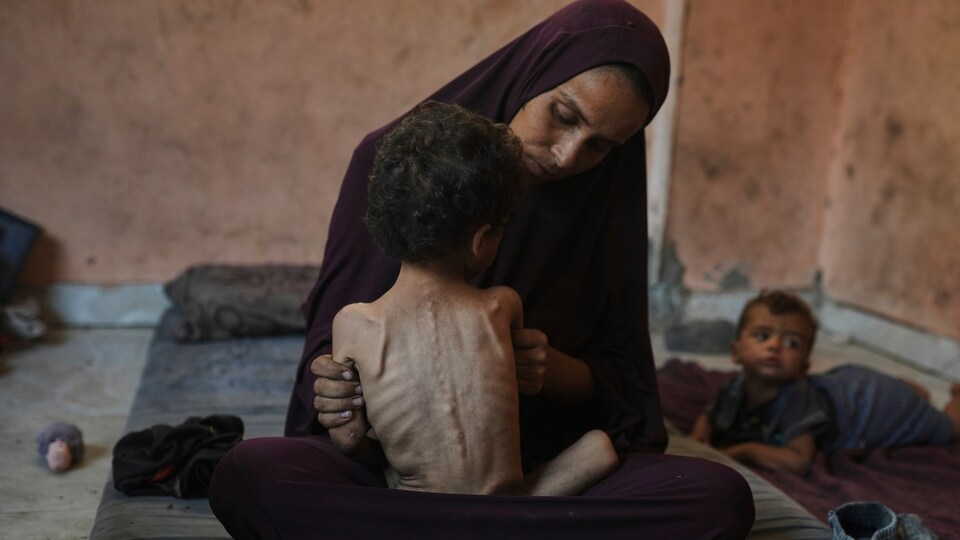
Over 110 Gazans, most of them kids, have reportedly died of starvation ever since the latest food and aid shortage allegedly created by Israel, which has been taking severe military action in the Palestinian territory since the October 7 attack by Hamas.
What international agencies say
International agencies have accused Israel of using starvation as a weapon of war, with some calling it “part of ongoing genocide”.
The World Food Program of the United Nations has said Gaza is seeing “new and astonishing levels of desperation", and that a third of its population has not been able to eat for several days at a time.
Also read | Why Israel’s chaotic new program has turned deadly
A report by a global conglomerate of aid agencies feared this back in May.
“If the situation persists, nearly 71,000 children under the age of five are expected to be acutely malnourished over the next eleven months,” the World Health Organization noted, citing the a report by the Integrated Food Security Phase Classification (IPC).
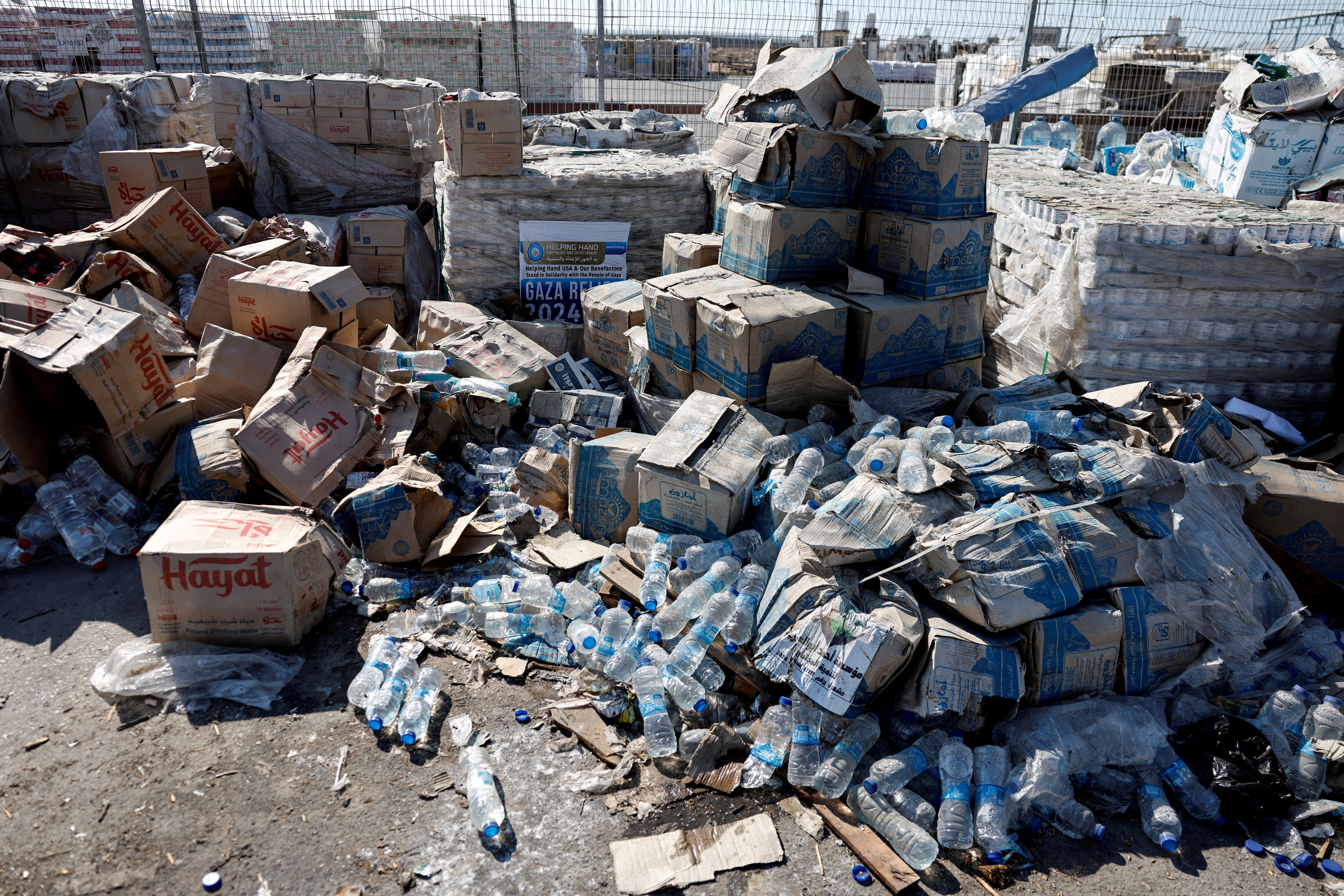
After being accused of halting aid convoys, Israel sidelined the UN and started its own scheme of aid two months ago; but UN estimates say over 1,000 Gazans have been killed in shooting by the Israeli forces near the distribution sites.
Israel on 'sociocide' and starvation
Humanitarian groups have urged the Israeli government to work with the UN and allow aid into Gaza, while news organisations from the BBC and AFP to Al Jazeera have called for action to protect local journalists and allow the foreign press to enter Gaza.
But Israel's actions — more so its policies — have left Gaza uninhabitable, Derek Summerfield, a UK-based psychiatrist with a focus on the effects of war, told Al Jazeera.
Calling it a “sociocidal war", he further told the news outlet that Israel's policy has “destroyed the idea of a society” through a deliberate destruction of community infrastructure such as schools, hospitals and mosques.
Israel has stuck to its stance that Hamas is to blame, and claimed that its forces are acting by international law. "No famine [has been] caused by Israel. There is a man-made shortage engineered by Hamas," a spokesperson of Benjamin Netanyahu's Israel government said, according to The Times of Israel.
Even during truce talks that have almost collapsed, when Hamas demanded restoration of the UN aid network, Israel said it set up its own system to prevent Hamas from stealing food and medicine.
'No evidence of theft by Hamas'
An internal US government analysis, reported by news agency Reuters on Friday, found no evidence of theft of US-funded humanitarian supplies by Hamas. The analysis was conducted by a bureau within the US Agency for International Development (USAID) by late June, examining 156 incidents between October 2023 and May this year, said the report.
A spokesperson of the Donald Trump administration disputed the findings and reiterated the charge of “aid corruption”, alleging misreporting.
What next for Gaza residents and refugees?
The spectre for the Gazans, meanwhile, grew more severe as ceasefire talks neared failure again. Israel and the US have withdrawn their teams from Qatar, where the negotiations are taking place, alleging that Hamas made unreasonable demands.

The two sides disagree over the extent of the pullback of Israeli forces from Gaza territory, Bloomberg reported.
The breakdown came even as France — planning to recognise Palestinian statehood — joined a growing chorus of global voices against Israel's actions in Gaza.
Also read | France joins 147 countries as it moves to formally recognise Palestine
Israel wants to make conditions in Gaza “unable to support human life”, according to a Dutch-Palestinian Middle East analyst Mouin Rabbani. “If it can reduce life to such a level and at the same time increase the level of chaos and anarchy, the thinking is that people will leave,” he was quoted as saying.
The Israeli government — committed to military action “until all hostages are released and Hamas is no a threat” — has been speaking about setting up a “humanitarian city” on the border with Egypt where the Gazans could be moved. Critics have called it planning for a concentration camp.
Israeli bulldozers, at the same time, are sweeping away the rubble of thousands of buildings razed in its action in Gaza. Trump has already spoken of setting up a waterfront resort-like city on the territory taken by Israel in its latest war on Gaza, which is reported to have claimed more than 50,000 lives.


