
 E-Paper



Study says misinformation could prompt people to turn against Covid-19 vaccines
Women were more likely than men to refuse a Covid-19 vaccine, but more respondents said they would accept a vaccine if it meant protecting family, friends, or at-risk groups.


Conspiracy theories and misinformation fuel mistrust in vaccines and could push levels that potential Covid-19 vaccines are taken in the United States and Britain below the rates needed to protect communities against the disease, a study found on Thursday.
Click here for complete coverage of Covid-19
The study of 8,000 people in the two countries found that fewer people would “definitely” take a Covid-19 vaccine than the 55% of the population scientists estimate is needed to provide so-called “herd immunity”.
“Vaccines only work if people take them. Misinformation plays into existing anxieties and uncertainty around new (Covid)vaccines, as well as the new platforms that are being used to develop them,” said Heidi Larson, a professor at the London School of Hygiene & Tropical Medicine, who co-led the study.
“This threatens to undermine the levels of Covid-19 vaccine acceptance,” added Larson, who is also director of the international Vaccine Confidence Project.
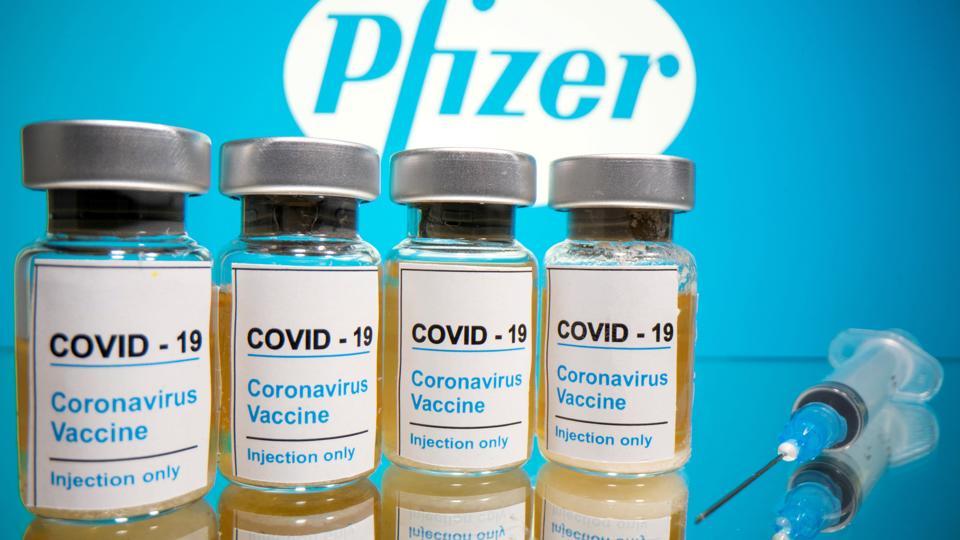
The study comes as one of the major vaccine efforts showed promising results this week. Pfizer Inc said on Monday its experimental Covid-19 vaccine is more than 90% effective based on interim data from late stage trials. The data were seen as a crucial step in the battle to contain a pandemic that has killed more than a million people.
In the misinformation study, 3,000 respondents in each country were exposed between June and August to widely circulating misinformation on social media about a Covid-19 vaccine. The remaining 1,000 in each country, acting as a control group, were shown factual information about Covid-19 vaccines.
Also Read | Brazil resumes trials of Chinese Covid-19 vaccine candidate
Before being exposed to misinformation, 54% of those in the UK said they would “definitely” accept a vaccine, as did 41.2% in the United States. But after being shown the online misinformation, that number fell by 6.4 percentage points in the UK group, and by 2.4 percentage points in the United States.
In both countries, people without a college degree, those in low-income groups and non-whites are more likely to reject a Covid-19 vaccine, the study found.
Women were more likely than men to refuse a Covid-19 vaccine, but more respondents in both countries said they would accept a vaccine if it meant protecting family, friends, or at-risk groups.


