
 E-Paper



Taliban must cut off umbilical cord with Pak for Afghanistan to survive
The central message of Delhi Declaration is that Taliban should shed off crutches of Pakistani ISI and independently govern Afghanistan or else it will drag economically weak Islamabad with it into jihadi chaos.


After a day-long deliberations on Afghanistan by National Security Advisors (NSAs) of eight neighboring countries here on Wednesday, it has become quite evident that the Taliban will continue to hold the reins of power in Kabul.
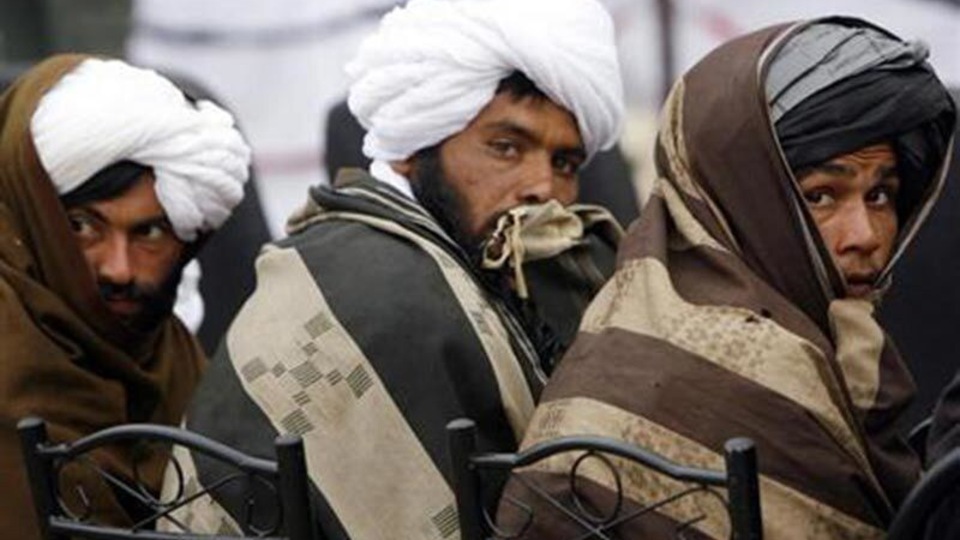
It has also become clear that apart from Afghan people themselves or any rival Sunni Salafists like the Islamic State of Khorasan Province (ISKP) or al Qaida, no one can remove the Taliban from power as global powers neither have the intentions, energy nor the mind space to tackle humongous problems of Afghanistan.
Now that the global community has mentally accepted the Taliban regime in Kabul, it is time that the Sunni Pashtun force came out of the shadows and started governing the Islamic Emirates of Afghanistan in the earnest and not wait for acceptance in UN. Since the Taliban occupied Kabul on August 15, its Supreme leader Mullah Haibatullah Akundzada has only been heard not seen, giving rise to the very physical existence of the cleric. According to Kabul watchers, none could confirm the physical presence of the Emir-ul-Momim when he was said to have made his first public appearance in Kandahar on October 31. He was perhaps last seen at the Pakistan Army cantonment in Karachi earlier this year.
While secrecy surround Mullah Akhundzada in Afghanistan, there are reports that Pakistan deep state backed Interior Minister Sirajuddin Haqqani frequently moves to and fro on Durand Line even as he contests with Defence Minister Mullah Yaqoob, son of first Emir-ul-Momin Mullah Omar, for political power in Kabul. The Taliban may be good in wielding the gun and asymmetric warfare, but governance is definitely not their forte as the country moves towards virtual ventilator state.
If the Taliban have real desire to provide governance even under the Islamic Sharia law to Afghanistan, then the answer lies within the country and not across in the ISI Headquarters in Rawalpindi. With Taliban’s acting Foreign Minister Mullah Amir Khan Muttaqi in Islamabad today for first bilateral talks with Pakistan after seizing power and the ISI chief making frequent trips to Kabul as it was just another intelligence station, the beginning is surely not good but on expected lines.
Even though Pakistan ISI is gloating over its success in making the mighty US run away empty-handed from Kabul, it is only a matter of time that the chaos spill across the Durand Line. It is said that Taliban Deputy Prime Minister Mullah Baradar told the ISI chief Gen Faiz Hameed that if Islamic Emirates is good for Afghanistan, the same holds good for Pakistan. The threat in Barader’s statement is understood by Pakistan Army but not by the civilian leadership in Islamabad. For a country where retail sugar is more costly than petrol, the chances of sustaining a neighboring perpetually strife torn country are simply non-existent. It is only a matter of time when Pakistan gets dragged down by its own creation.
Rather than let Pakistan practice its dark arts in Kabul, the Taliban should cut the umbilical cord from Rawalpindi and seek legitimacy from the Loya Jirga (Tribal Council) and the Ulema Council (Religious Council) of Afghanistan for internal peace in the country. Legitimacy from the people of Afghanistan will not only bring stability to the nation that has not seen peace in many a decade but also respect and acceptance from the international community. Taliban must make a transition from a terrorist group to a political ruler if Afghanistan has to survive. Or else a weak vulnerable state with actual reins of power across the Durand Line will give way to opportunistic Islamic jihadist groups, which are present on an industrial scale in Pakistan. Given their Islamic duty to spread jihad in non-Muslim lands, these Islamist Takfiri (who have no qualms in killing fellow Muslims) groups in a matter of time will start targeting a third country in the west with or without the knowledge of the Taliban, leading to another cycle of occupation, total chaos and violence. The tragedy is that Taliban leadership can always take shelter across the Khyber and Spin Boldak passes as in the past, but the hapless people of Afghanistan have nowhere to go.


