
 E-Paper



The Democratic surge will cap Trump’s reach at the Fed
A Democratic majority in the Senate would be the broadest check yet on the president’s efforts to control the U.S. central bank.


 Prefer HTon Google


Tuesday’s election results handed Democrats the strongest check yet on President Trump’s bid to control the Federal Reserve, by giving them the power to block any allies he might seek to install on its board.
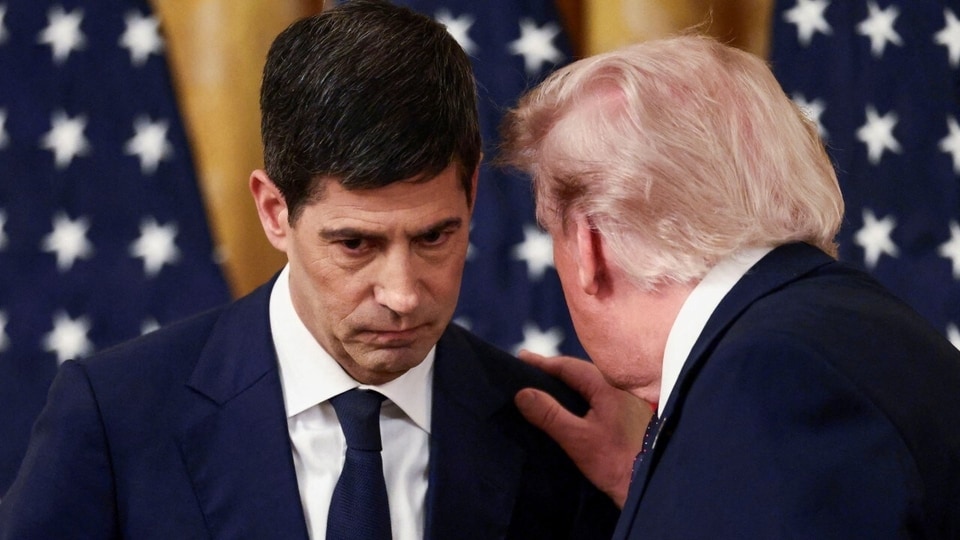
That leaves Trump with the chairman of his choosing, Kevin Warsh, but one seat short of a majority and diminished prospects of getting it. His White House has mounted the most direct challenge to the Fed’s independence in decades, including an unprecedented attempt to fire a sitting governor.
The checks on that pressure have so far been piecemeal. They have included a retiring Republican senator’s blockade of Fed nominees, Jerome Powell’s decision to stay on the board after stepping down as chair, and court rulings keeping Fed governor Lisa Cook in her seat for now. A Democratic Senate would provide a broader institutional buffer by covering every nomination to the Fed’s seven-member board of governors for the rest of Trump’s term.
Trump’s ability to remake the central bank’s relationship with the White House as he might have hoped “clearly died Tuesday,” said Mark Spindel, an investment manager and co-author of a book on the Fed’s relationship with Congress. “He simply cannot get people on the board anymore, cannot get partisan seats filled, just full stop.”
Trump has named three of the seven Fed governors, including Warsh. The next scheduled vacancy is Powell’s seat, which runs through January 2028.
Trump is trying to create an opening by firing Cook over mortgage-fraud allegations she denies, and the White House plans to hold a hearing on the matter in December. The Supreme Court in June allowed her to keep her seat while she challenged the attempted removal. Even if Trump ultimately prevails, a Democratic Senate could leave her seat empty by refusing to confirm a successor.
Democrats have opposed Trump’s recent Fed picks nearly in lockstep. No Democrat voted to confirm Michelle Bowman as vice chair for supervision last year or Stephen Miran, who filled a vacant seat a few months later. Only one, Sen. John Fetterman of Pennsylvania, voted for Warsh in May. A Senate that keeps blocking his picks would limit Trump’s ability to shift the Fed’s course through appointments, the main lever presidents have to influence central bank policy.
Trump has made no secret that he wants lower interest rates, but the president doesn’t set interest rates; a committee of Fed officials does, and most of its members aren’t presidential appointees.
Rate decisions are the product of deliberations by 19 officials who attend meetings of the Federal Open Market Committee. Twelve members vote at each meeting: the seven presidentially appointed governors, the president of the New York Fed and four of the other 11 regional bank presidents, who aren’t political appointees and vote on a rotating basis. Trump has appointed three of those 12 voters.
The Fed under Warsh has moved in the direction opposite from what Trump wanted as inflation has become a bigger concern. The central bank raised rates in September for the first time since 2023 and held them steady last month. Investors expect another increase in December. Trump has blamed what he has called a “political” board that is hostile to Warsh. Cook was one of two officials to dissent in favor of an increase last month.
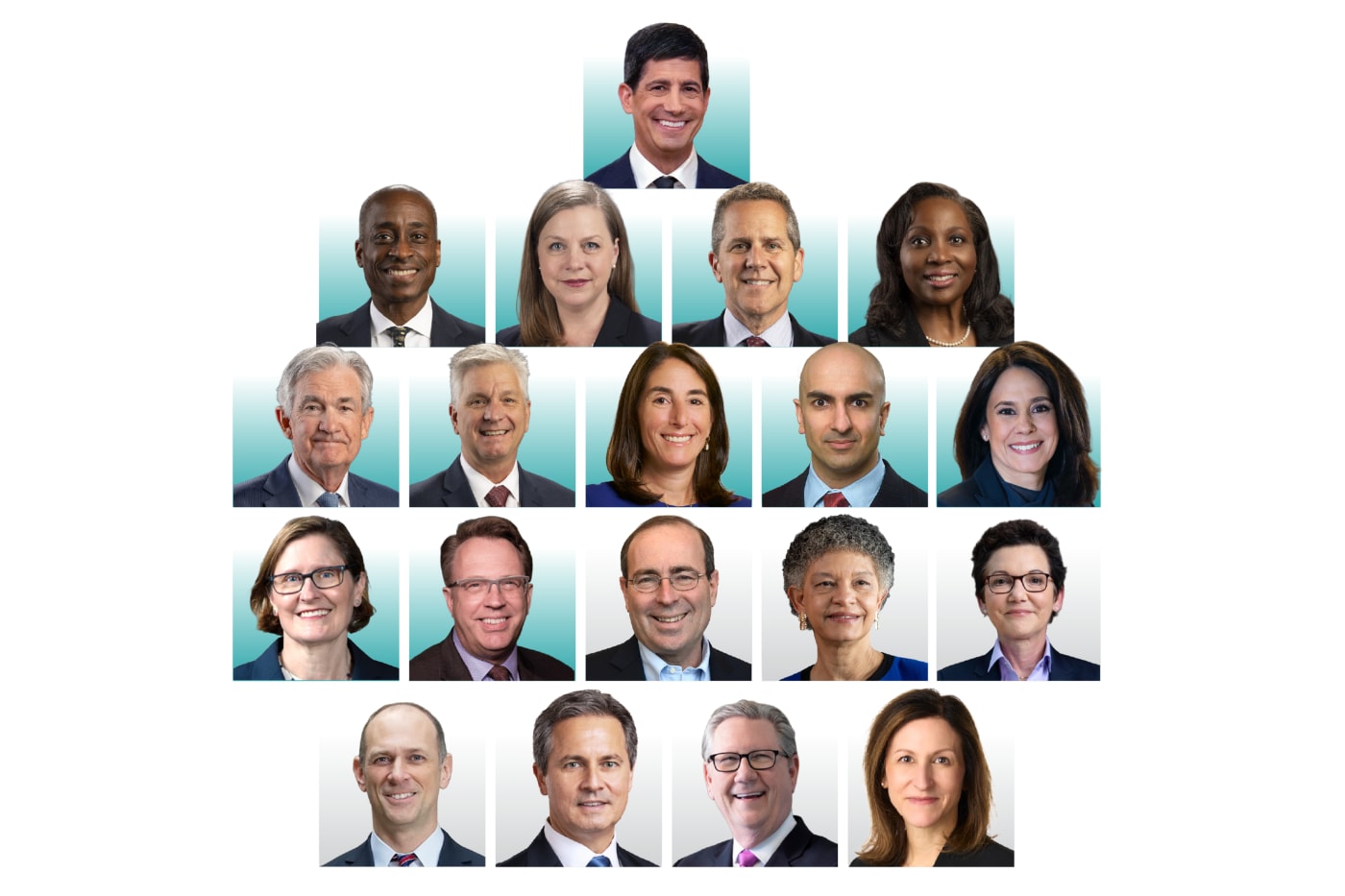
One vote only goes so far on that committee. Miran, a top White House economic adviser whom Trump installed on the board last year, dissented in favor of easier policy at all six meetings he attended before stepping down in May. Only once did another official join him.
For Warsh, a Democratic Senate could mean leading the Fed for the next two years without much say in who helps him run it. He wants to overhaul how the Fed communicates, reads the economy and manages its balance sheet. Absent a deal between the White House and Senate Democrats, that effort would depend on persuading colleagues he didn’t choose, who currently include three Biden appointees as well as Powell, his predecessor.
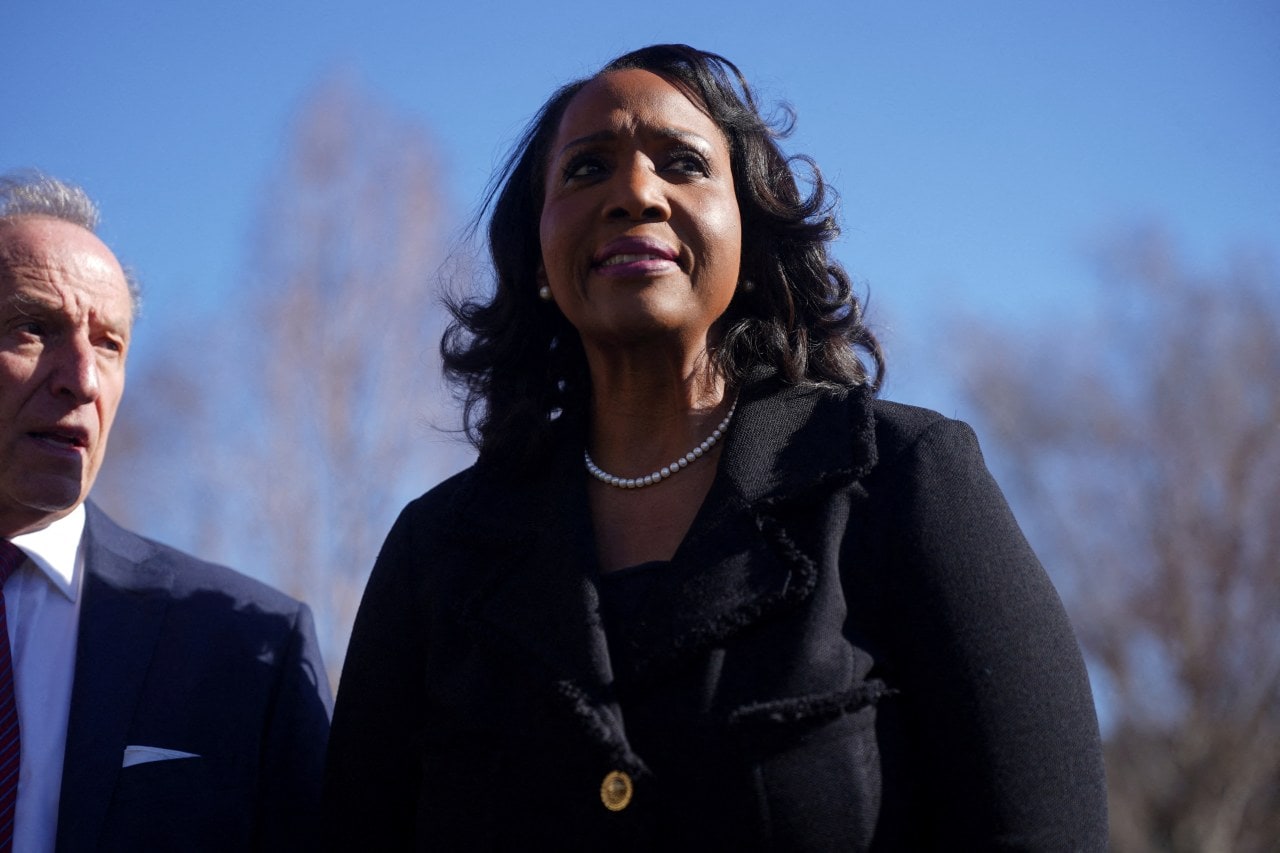
Monetary policy often turns on how the chairman builds consensus by steering the committee’s center, and chairs have historically relied on lieutenants they helped pick to anchor it. Ben Bernanke, who took over in 2006, was soon joined by Warsh, who had assisted in his confirmation process, and Frederic Mishkin, his co-author on inflation targeting. Stanley Fischer, a revered central banker, became Janet Yellen’s vice chair months after she became chair in 2014. Powell maneuvered behind the scenes to ensure he could have a compatible second-in-command in Richard Clarida in 2018.
A Democratic Senate would also have a say over who succeeds Philip Jefferson as vice chair next September. Trump’s pick would need confirmation even if it is a sitting governor, as was the case with Bowman’s promotion last year.
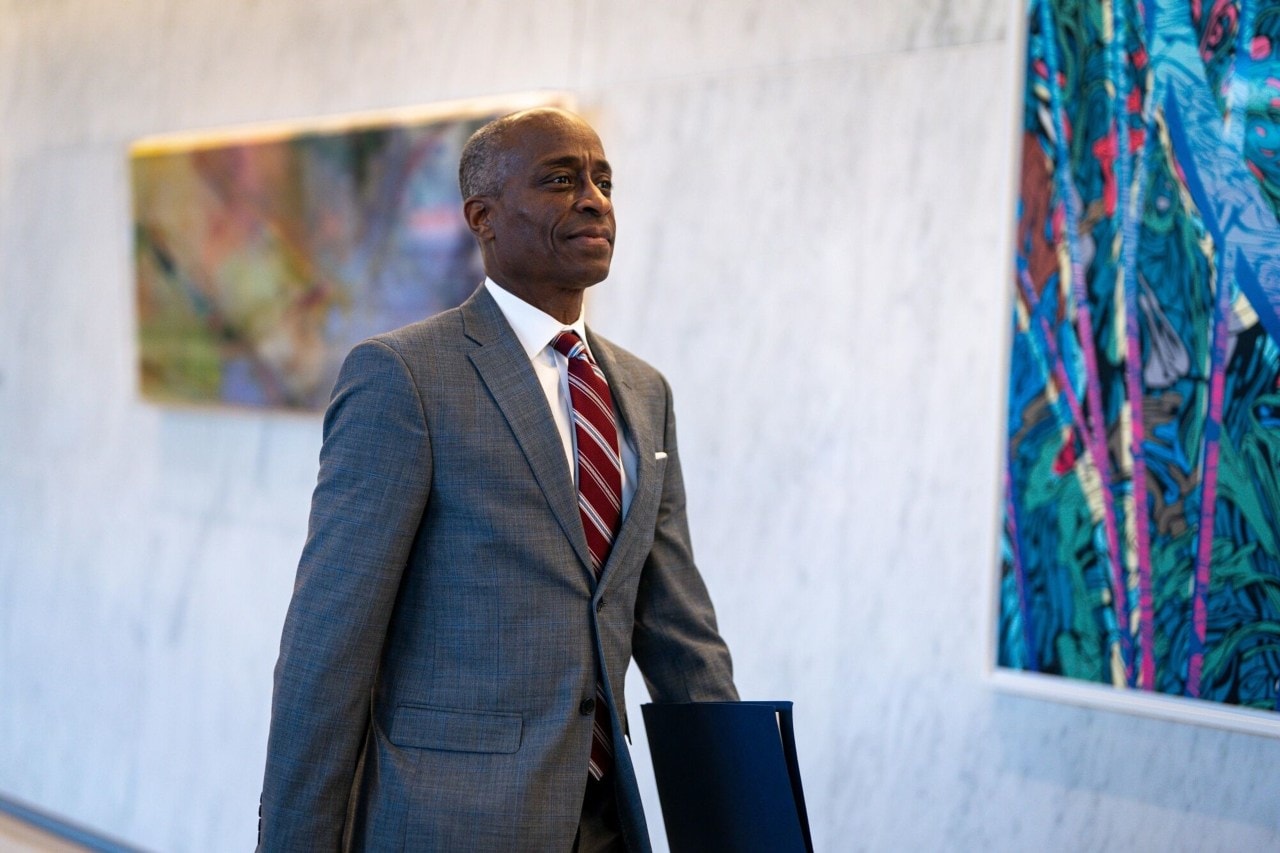
Previous chairmen have relied on “a really strong vice chair to help guide their own personal thinking and to guide committee consensus,” said Derek Tang, an economist at Monetary Policy Analytics. For Warsh, “that route does seem narrower.”
Warsh has ample opportunity to put his stamp on the Fed without new governors. The chairman controls the board’s agenda and the Fed’s senior staff. In his first five months, he has already shortened press conferences and announced fewer rate-setting meetings starting next year.
On bank regulation and payments, where the board alone decides, the effect could be subtler than on interest rates because it has rarely approved major rules on narrow 4-3 votes. Without a fourth Trump appointee, Bowman’s efforts to ease capital requirements for big banks, or moves to open the Fed’s payment system to nonbanks, would likely need a Democratic appointee’s support to pass.
A final question now is whether Powell or other governors decide the Fed’s usual institutional arrangements are secure enough for them to leave. In April, Powell explained his unusual decision to remain on the board after his chairmanship ended by saying he hoped the Fed and the executive branch could “go back to respecting what the law says and what the custom has been, which is to let the Fed do our thing.”
Write to Nick Timiraos at Nick.Timiraos@wsj.com


