Ukraine: With Indian national killed, New Delhi will walk a tighter rope
While India may need Russia in dealing with China, the indiscriminate attacks in Ukraine will give the West reason to state that Putin’s actions undermine the rules-based order that India seeks to uphold in its own region.
Over the past few days, Indian officials have watched in dismay as Russia’s actions in Ukraine have severely limited New Delhi’s diplomatic options in a rapidly evolving situation, which took a turn for the worse with the death of an Indian national on Tuesday.
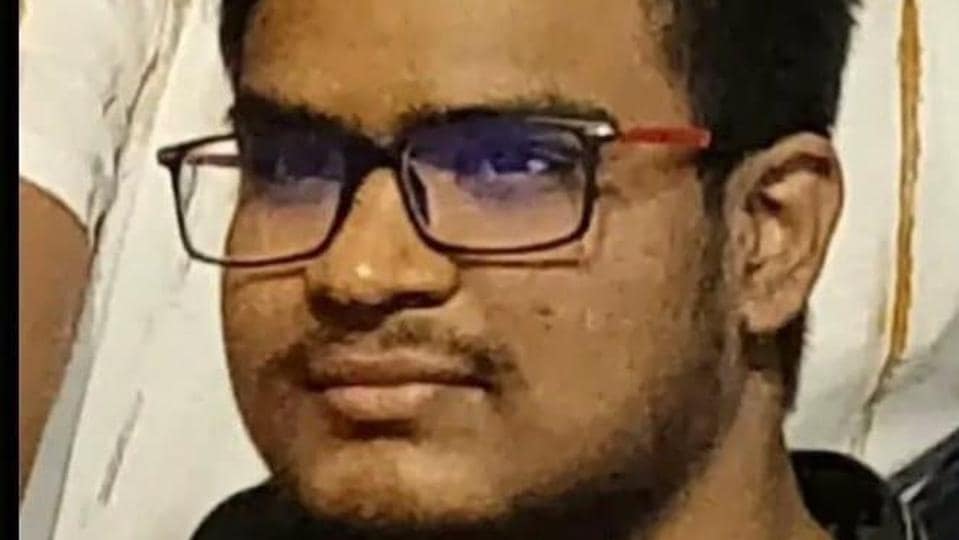
Naveen Shekharappa Gyandagoudar from Karnataka’s Haveri district, was killed on Monday morning. (File Photo)
Russian President Vladimir Putin’s decision of February 24 to order a “special military operation” in support of the breakaway regions of Donetsk and Luhansk in Ukraine immediately put India, in the words of an official, in a “tight spot”, especially as India’s new partners in the West described the action as an invasion that violated the sovereignty and territorial integrity of a state.
At the United Nations Security Council, India had initially called for a solution in Ukraine that ensured the “legitimate security interests of all countries” – a nod to Russia’s demand to stop the expansion of NATO – but this formulation was missing when India abstained last week on a US-backed resolution deploring Russia’s “aggression” against Ukraine.
India’s explanation for abstaining at two crucial United Nations Security Council votes also asked for respecting the sovereignty and territorial integrity of all states – a move that Western diplomats in New Delhi have interpreted as the difficult manoeuvring India is doing to balance its interests vis-a-vis the West, Russia and China.
India has insisted since the conflict in Ukraine began that the safety and safe evacuation of its nationals from the war-torn country is the top priority of the government. Privately, people familiar with developments acknowledged that any casualties amid the problematic evacuation would be a nightmare scenario.
With the confirmation of the death of a student from Karnataka during the shelling of Kharkiv, one of the main conflict zones in eastern Ukraine, on Tuesday, India will be faced with more stark choices. Domestic pressure will grow on the government to get thousands of Indians, mostly students, safely out of Ukraine.
Though there is a broad understanding among Western countries about India’s focus on China as its main diplomatic and security challenge and the need to keep Russia on India’s side in dealing with this problem, the worsening security situation and the indiscriminate attacks on civilian areas will give the West an opportunity to emphasise that Putin’s actions in Ukraine undermine international law and the rules-based order that India is seeking to uphold in its own region.
“This is a case of a total unilateral and brutal attack that poses a huge danger to the UN Charter, international law, peace and freedom,” said German ambassador Walter Lindner, emphasising that the repercussions of the situation in Ukraine would be felt around the world.
India has refrained from being openly critical of Russia mainly due to fears that such a move could push Moscow closer to Beijing, especially at a time when there are reports that the crippling Western sanctions on Russia could prompt greater economic and strategic cooperation between Russia and China. The government in New Delhi has also been concerned about the growing proximity between Russia and China, and indirectly with China’s all-weather ally Pakistan.
India’s tightrope walk on the situation in Ukraine is likely to only get more complicated, especially as it will have to ensure that the developments in Europe do not undermine the rules-based order elsewhere and shift the West’s focus away from the aggressive actions of China closer to home.
Get the latest headlines from US news and global updates from Pakistan, Nepal, UK, Bangladesh, Russia and US Iran war Live, get all the latest headlines in one place on Hindustan Times.
Home/World News/Ukraine: With Indian National Killed, New Delhi Will Walk A Tighter Rope

 E-Paper