
 E-Paper



US Congress stings China with new Tibet law on the next Dalai Lama
The Central Tibetan Administration welcomed the Tibetan Policy and Support Act passed by the US Congress, calling it a historic move and a clear message to China

 Prefer HTon Google


The US Congress has passed a bill that reaffirms the right of Tibetans to choose a successor to their spiritual leader, the Dalai Lama. The law has been described by Dharamshala, the seat of the Tibetan government-in-exile, as a historic move and a clear message to China.
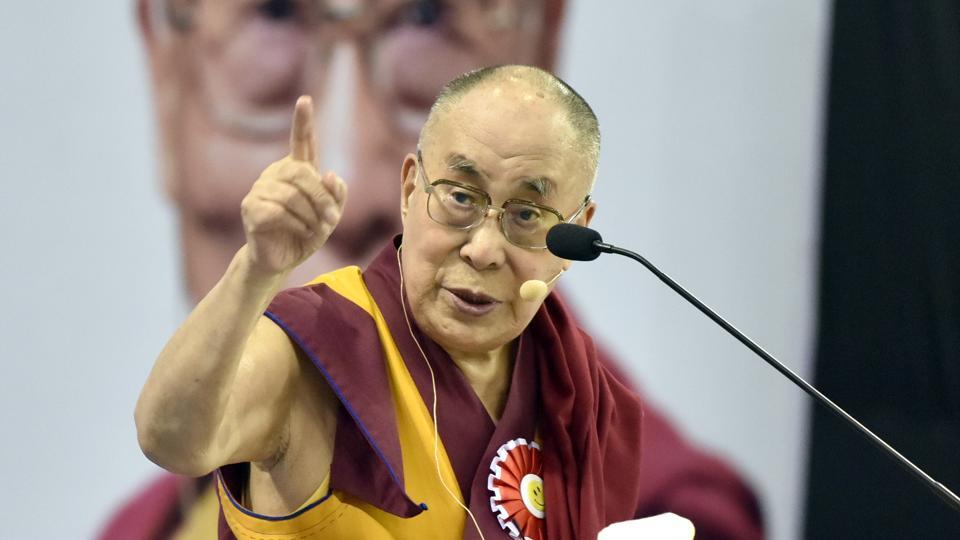
The Tibetan Policy and Support Act of 2020 (TPSA), which was passed by the US Senate, calls for the establishment of a US consulate in Tibet’s main city of Lhasa and underlines the absolute right of Tibetans to choose a successor to the Dalai Lama.
“The TPSA makes it official United States policy that decisions regarding the reincarnation of the Dalai Lama are exclusively within the authority of the current Dalai Lama, Tibetan Buddhist leaders and the Tibetan people,” said a statement by the Central Tibetan Administration after the Senate approval. The House of Representatives has already cleared the bill.
“Any interference by Chinese government officials will be met with serious sanctions and deemed inadmissible into the United States,” the statement said.
Stung by the US move, the Chinese foreign ministry accused the US of meddling in its internal affairs and asked the Donald Trump administration against signing the legislation into law. “We urge the US side to stop meddling in China’s internal affairs and refrain from signing into law these negative clauses and acts, lest it further harms our further cooperation and bilateral relations,” Chinese foreign ministry spokesman Wang Wenbin told a briefing in Beijing on Tuesday.
Lobsang Sangay, president of the Central Tibetan Administration, described the legislation as a victory for the Tibetan freedom struggle. “We have been pushing for this for the last two years,” he said. He said the move by the US Congress was a tribute to the great legacy of His Holiness the Dalai Lama and to the courage and solidarity of six million Tibetans inside Tibet.
The Dalai Lama, then 23, had crossed into Arunachal Pradesh’s Tawang in April 1959 to escape the Chinese that had invaded Tibet nine years earlier and had brutally suppressed the uprising against Beijing’s rule. The Dalai Lama and the thousands of Tibetans who followed him were settled in the Himalayan town of Dharamshala in Himachal Pradesh where he has been living in exile ever since. There are over 80,000 Tibetans living in exile in India; 150,000 more around the world particularly in the US and Europe.
China has been attempting to dismantle Tibetan Buddhism since then. It arrested Gedhun Choekyi Nyima in Tibet, just three days after he was proclaimed as the 11th Panchen Lama, the second highest Lama of Tibetan Buddhism, in May 1995. He has never been seen since. Instead, Beijing selected its own six-year old Gyaltsen Norbu as the 11th Panchen Lama six months later and enthroned him at Shigatse monastery.
The US law is significant because China has already started the process to identify its version of the reincarnation of the 14th Dalai Lama. China has said its leaders have the right to approve the Dalai Lama’s successor, which many see as a coercive attempt to control Tibet, where ethnic Tibetans make up about 90% of the population, a Reuters report said.
This means if the Tibetan people decide to continue with the institution of the Dalai Lama, there could be two Dalai Lamas. Just as there are two Panchen Lamas and two claimants to the title of the 17th Karmapa, the head of wealthy Karma Kagyu school.
Sangay said the TPSA sends a loud and clear message to China that Tibet remains a priority for the United States and that it will continue its steadfast support for His Holiness the Dalai Lama and the CTA.


