E-Paper



US keen to cooperate with India via Quad, bolster defence ties: Paul Kapur
Paul Kapur pointed to the resilience of the US-India relationship despite recent tensions over trade and welcomed the recent framework agreement for a bilateral trade deal

 Prefer HTon Google


Washington remains keen to cooperate with India through the Quad grouping and bolster defence ties with New Delhi, indicated the Trump administration’s top diplomat for South Asia in a briefing before a subcommittee in the US House of Representatives.
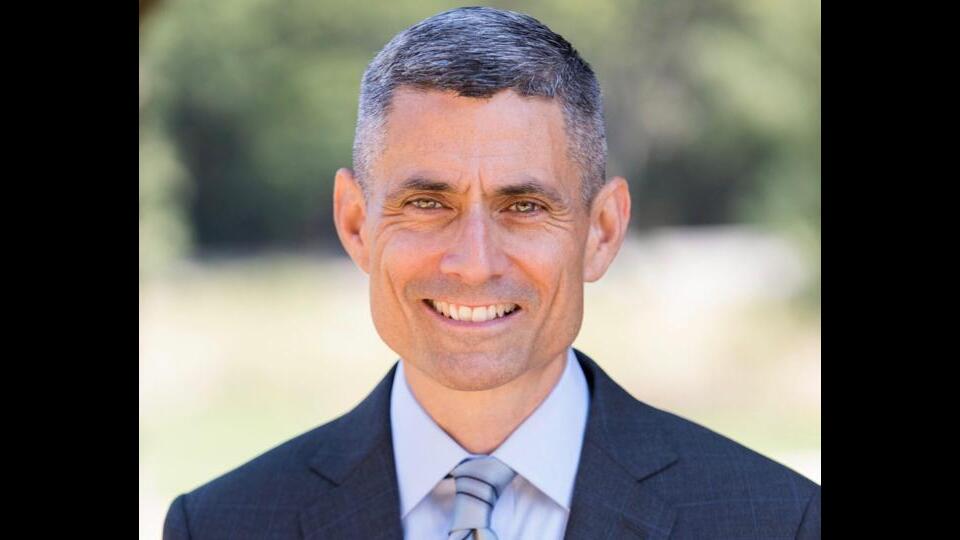
Paul Kapur, who serves as Assistant Secretary of State handling US ties with South and Central Asia, added that the US is planning fresh arms sales to India. Kapur also pointed to the resilience of the US-India relationship despite recent tensions over trade and welcomed the recent framework agreement for a bilateral trade deal announced by Prime Minister Narendra Modi and US President Donald Trump earlier this month.
“India with its size, location and commitment to a free and open region anchors South Asia and more broadly, the western half of the Indo-Pacific, the United States and India maintain high level diplomatic touchpoints such as the 2+2 ministerial and cooperate closely in the defence, technology and energy sectors bilaterally and also through the Quad. Cooperation in these areas has remained robust even as we resolved long standing issues in our trade relationship, as evidenced by the renewed 10 year US-India defence framework agreement, the TRUST initiative and Indian purchases of US products ranging from drones to liquefied natural gas,” Kapur said in his opening statement to the US House of Representative’s subcommittee on South and Central Asian affairs. He added that the conclusion of a framework for a trade agreement between India and the US had opened up further opportunities for the relationship.
Significantly, Kapur pointed to potential new sales of weapons systems to India.
“We also have some potential purchases of weapon systems in the pipeline that will help India to protect itself better, ensure its sovereignty, also will create American jobs, be good for both sides,” he told representatives on the committee.
An expert in security and defence related issues in South Asia, Kapur was unable to provide further details on how Washington proposed to monitor New Delhi’s purchases of Russian energy after Representative Keith Self questioned him on the subject.
“I think the Quad is a very important platform. It has done well. It was defunct in 2017 when it was revived during the first Trump administration, and it’s grown in importance since then and it’s a platform that enables us to connect and cooperate in unique ways with our like-minded partners. We were talking about India earlier in the quad and India’s been an active participant, but we can promote our humanitarian tech-related defense and econ-related and trade-related interests,” Kapur stated when questioned by Congresswoman Sydney Kamlager-Dove on prospects for the four-nation partnership.
India, US, Australia and Japan make up the Quad grouping that is viewed as a counterweight to China.
However, key lawmakers made their disagreements with Trump’s handling of relations with India.
“50% tariffs on India, one of the highest rates in the world, tore a needless rupture in bilateral ties that sacrificed decades of painstaking trust-building between our two countries. Dragging on negotiations for over a year cost us the timely convening of the annual Quad Leaders Summit and weakened our posture in the Indo-Pacific,” said Congresswoman Kamlager-Dove, who leads the Democratic members on the South and Central Asia subcommittee.
Kapur also addressed US priorities with Pakistan, especially in light of closer ties between the Trump administration and Prime Minister Shehbaz Sharif’s government. Referring to Pakistan as an “important partner”, he outlined critical minerals, trade and counterterrorism cooperation as key US focus areas in ties with Islamabad.
“Pakistan is another important partner in the region. We’re working together with Pakistan to realise the potential of its critical mineral resources, combining US government seed financing with private sector know-how to the benefit of both of our countries. Our trade in energy and agriculture is expanding as well, and our ongoing counterterrorism cooperation helps Pakistan combat internal security threats while addressing transnational dangers that could harm the US or our partners,” Kapur said.