
 E-Paper


All you need to know about earthquake drill called the Great ShakeOut in California
Besides California, the drill was conducted at various other locations across the United States and the world.

 Prefer HTon Google


On Thursday, California's annual statewide earthquake drill called the Great ShakeOut was organised. The main motto of the drill was "Drop, cover, and hold on" which is quintessential to survive in case of an earthquake.
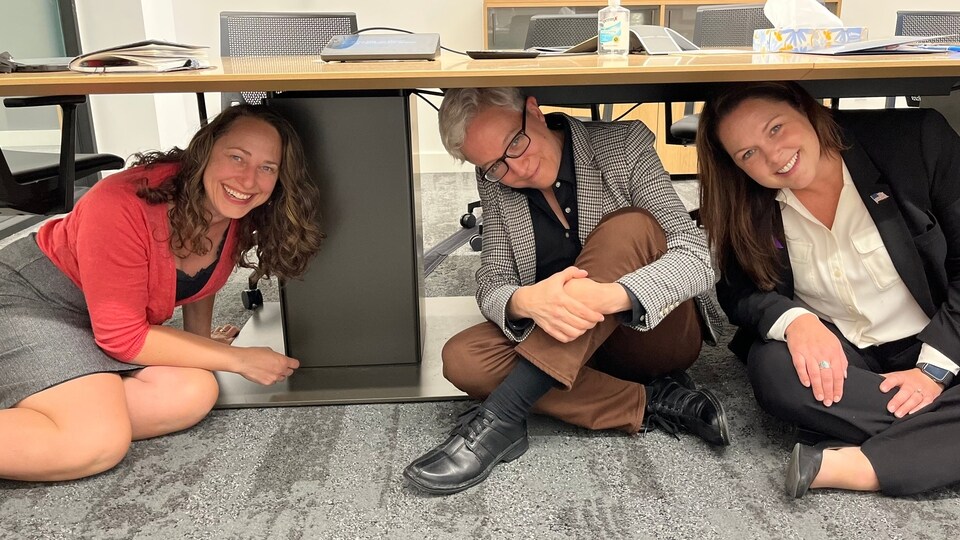
During the event, thousands of people paused their work and followed the instructions. The drill lasted for one minute. Besides California, the drill was conducted at various other locations across the United States and the world.
The Great ShakeOut was launched in the year 2008. Its main objective is to make the people aware of the methods by which they can safeguard their lives in the event of an earthquake.
ALSO READ| ‘Israelis are pigs’: Chicago art professor makes anti-Israel post, netizens react
Importance of the drill in California
The earthquake drill is very important for California as the US state is situated on top of a major fault line. Thus the probability of a catastrophic earthquake affecting California is quite high.
The San Andreas fault which is a long crack in the earth's surface between two tectonic plates goes through California. It covers densely populated areas like Los Angeles too. It's this fault which is known to cause earthquakes in the region.
Given the vulnerability, an earthquake may strike the region in near future and nobody can actually predict when it might happen.
In an interaction with CBS Bay Area, Luther Strayer who is a structural geologist and professor at California State University, East Bay, highlighted the risk of earthquake in the region.
"There will be an earthquake probably in a lot of our lifetimes. I would guess in the next 30 years, everybody who is living in the Bay Area will experience a pretty large earthquake. The recurrence interval on the Hayward fault is somewhere between 140-170 years, and we're in that range from 1868," explained Strayer.
"Predicting earthquakes is as of yet impossible. What we can do is tell you whether or not a fault is likely to go," he added.


