E-Paper


Artemis II launch: Why did America stop its moon missions? Everything to know about the new journey
NASA prepares for Artemis II, its first crewed lunar mission in over 50 years.

 Prefer HTon Google


The United States is preparing to send astronauts around the Moon for the first time in over five decades with Artemis II, marking a major step in reviving human lunar exploration after a long pause since the Apollo era.
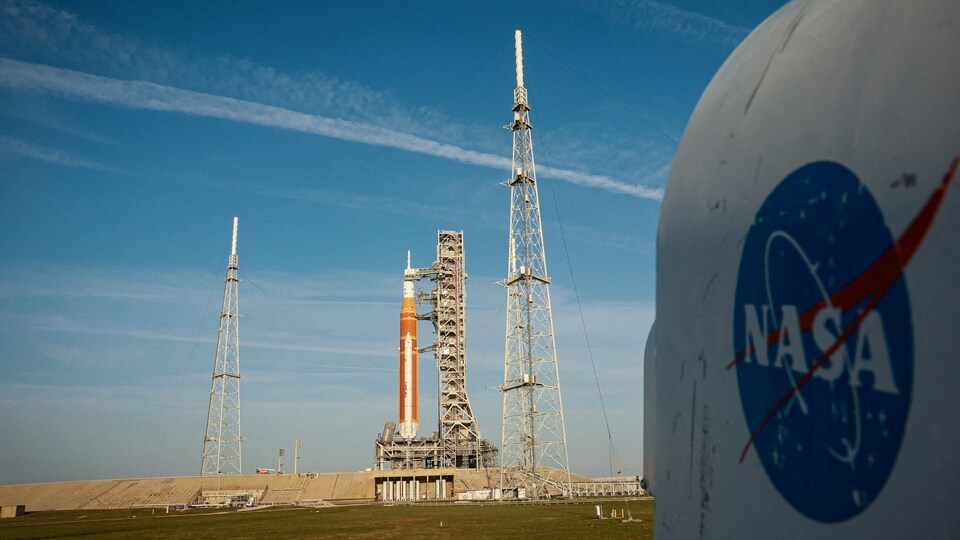
NASA’s original lunar programme, Apollo program, ended in 1972 primarily due to budget constraints and shifting political priorities.
According to the New York Post, the agency had initially planned nine missions but was forced to cancel several as funding tightened.
A month after Apollo 12, a top aide to then-President Richard Nixon indicated limits on space spending. He noted that “the president says that he doesn’t have enough money… and must accept limitation of [space] activity,” as cited by space policy expert John Logsdon.
Also Read: Who are Christina Koch and Jeremy Hansen? All about the Artemis II mission specialists
NASA’s budget reportedly shrank by 15% soon after, while risks became more apparent following the near-disaster of Apollo 13.
With the US having already “won” the space race against the Soviet Union, public and political interest declined, further reducing momentum for costly lunar missions.
When was the last Moon mission?
The last human journey to the Moon took place during Apollo 17, which launched on December 7, 1972.
Astronauts Eugene Cernan and Harrison Schmitt became the last humans to walk on the lunar surface, while Ron Evans remained in orbit.
Since then, no human has returned to the Moon.
Also Read: Who are Reid Wiseman and Victor J. Glover Jr.? Meet commander and pilot of Artemis II mission
Why is NASA going back now?
More than 50 years later, NASA is reviving lunar exploration through the Artemis programme, driven by both scientific goals and geopolitical competition.
As reported by the New York Post, the renewed push comes amid growing advances by China, which has successfully landed robotic missions on the Moon and aims to send astronauts there by 2030.
The Artemis programme is also focused on establishing a long-term human presence, including a potential lunar base.
What is Artemis II?
Artemis II is a planned 10-day crewed mission that will send astronauts around the Moon without landing. The crew includes Reid Wiseman, Victor Glover, Christina Koch and Jeremy Hansen.
The mission is expected to test critical systems and pave the way for a future lunar landing, currently targeted for later in the decade.
If successful, Artemis II will mark a crucial milestone in humanity’s return to deep space exploration. NASA ultimately aims to land astronauts on the Moon again and build a sustainable presence.