
 E-Paper


Chinese New Year 2024: Top 5 myths
Here are some enigmatic Chinese New Year myths:

 Prefer HTon Google


The Chinese New Year is a wonderful time of the year when the Chinese community around the world celebrates. The festival also has numerous myths attached to it that explain why age-old traditions are practised to this day. Here are some enigmatic Chinese New Year myths:
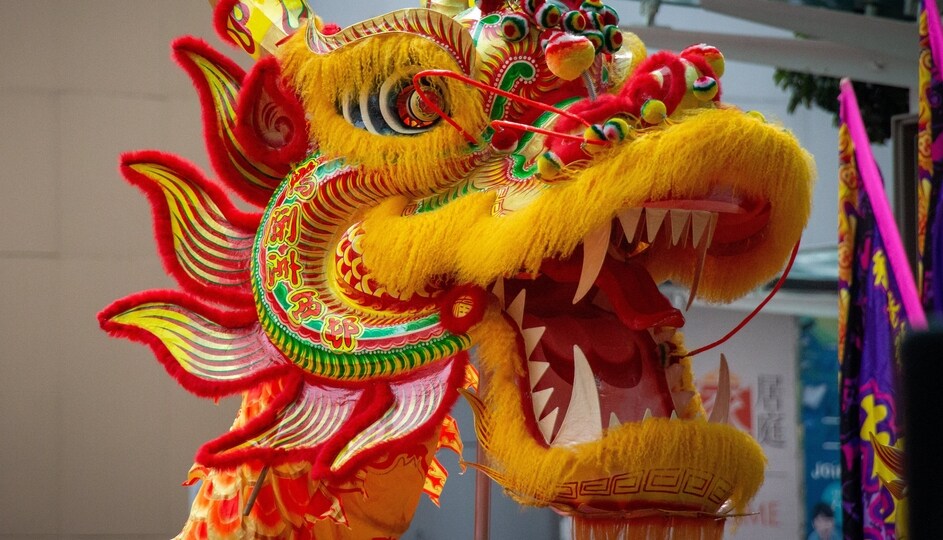
The Monster from Sea
There dwelled a monster named Nián (年) at the bottom of the ocean that surfaced once every year to feast on animals and humans. To escape its wrath, the villagers would run to the mountains. However, one year, a beggar came to seek shelter when everyone was running. An old woman took him in and he promised to chase the monster away. At midnight, the monster arrived but was stopped by red paper on the doors and the beggar dressed in red. It also got scared of firecrackers. Since then, the Chinese use red paper followed by firecrackers to chase the proverbial monster away.
Upside down Fú (福)or Fortune
Another common motif in every household is the word fú (福), meaning happiness or fortune, but in most houses, it will be upside down. The legend goes that an Emperor of the Ming dynasty had ordered every household to celebrate by pasting the word fú (福), on their doors. Unfortunately, an illiterate family had pasted the word upside down. The Emperor called for their heads, but the Empress intervened pointing out: “Upside down” (倒 / dào) is a homophone of “here” (到 / dào). When it’s upside down, it means that fu is here.”
The Emperor listened and from then on, the word would be hung upside down in memory of the kind Empress.
Lend me a Ear
Many have wondered why dumplings look like ears and there’s a reason: the myth of the Goddess Nǚwā (女娲).
The Chinese goddess Nǚwā, who has the body of a snake is considered the mother of all life. She is believed to have created all life and created humans out of yellow clay. However, she realised their ears would freeze and fall in the winter. To overcome the problem, she sewed the ears in place and put the thread in the mouths.
Later people, moulded dough into the shape of ears, stuffing it with meat and vegetable instead of thread. And the delicious snack was born, one that’s cherished across the world.
Scaring away Sui
Another legend regarding the colour envelope revolves around an evil named spirit named Sui (祟). The spirit would arrive and pat the heads of children, causing them to develop fevers. Thereby, parents would keep their children awake all night. One child was given eight coins to play with to stay awake. The legend goes than when Sui appeared, the coins emanated a powerful light frightening the monster away. The eight coins were supposed to be the Eight Immortals in disguise.
Since then people have given the money which is called yasui qian (suppressing Sui money). There are various rules about the money that can be put in hongbao. Only clean and crisp notes ought to be put in it. While it’s usually kept for children, it’s become the practice to give red envelopes to near and dear ones.
Spring Festive Wine
Another drink specific to Chinese New Year is the Tusu wine. The story goes that during a plague, a man put some herbs, leaves, and grains into bags brought one bag to each neighbour. They drank the water on New Year’s Day and they found that the drink saved them from the plague. It became known as the Tusu wine, named after Tusu-structured home of the man.


