
 E-Paper


How did US find Ayatollah Ali Khamenei’s exact location in Iran?
Khamenei was killed in US-Israel air strikes, prompting mass mourning in Iran. The operation was based on long-term surveillance and intelligence collaboration.

 Prefer HTon Google


Thousands of grieving Iranians gathered in Tehran’s Enghelab square on March 1 to pay their respects after the killing of Supreme Leader Ayatollah Ali Khamenei, who lost his life in air strikes conducted by Israel and the US.
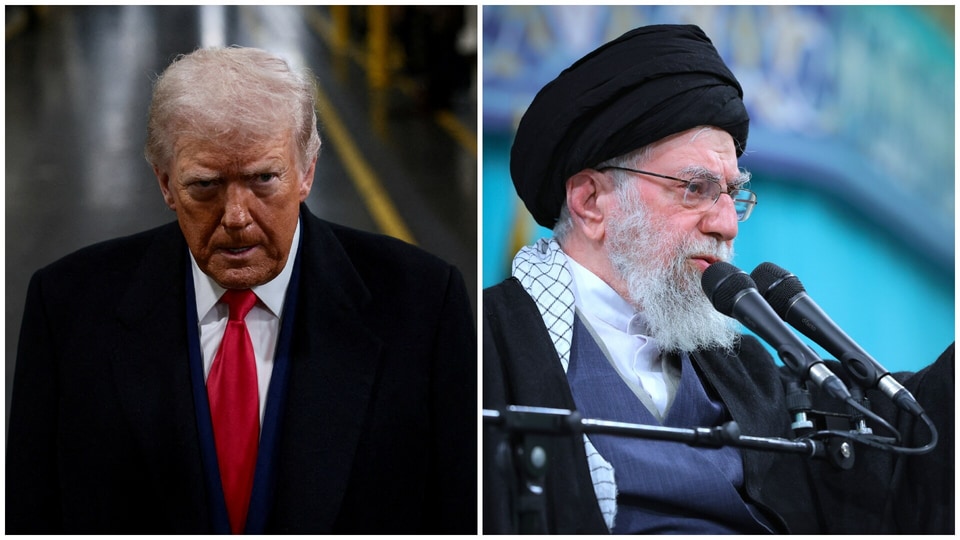
The attacks launched on Saturday devastated Khamenei's central Tehran residence, bringing an end to his 36-year reign.
On Sunday, Israel announced it had initiated another series of attacks on Iran, while President Donald Trump cautioned of repercussions for any retaliatory actions.
Also Read: 'Even if they kill me...', What Ayatollah Ali Khamenei said in final chilling public speech
How did US and Israel identify Khamenei's location?
The US and Israel are reportedly identified the location of Khamenei by utilizing a mix of extensive behavioral monitoring and a recent intelligence breakthrough concerning a significant meeting.
The operation, described by The Times of Israel as a collaborative initiative, allegedly employed “bunker buster” munitions to target multiple high-security facilities at the same time, thereby guaranteeing the removal of the senior leadership in attendance.
5 crucial points that assisted US and Israel to find Khamenei's exact location
According to reports from The New York Times and other media outlets, the operation was based on a variety of inputs.
1. Long-Term Surveillance: The Central Intelligence Agency (CIA) had been observing Khamenei’s movements and security patterns for several months. This enabled intelligence agencies to achieve a “high fidelity” understanding of his habits and probable locations, according to NYT.
2. The Critical Moment: Intelligence officials discovered that an unusual, high-level meeting involving Khamenei along with senior political and military leaders was scheduled for the morning of Saturday, February 28, 2026.
3. Advanced Tracking Technologies: Trump remarked that “Highly Sophisticated Tracking Systems” were employed to track Khamenei’s location, ensuring that he could not escape detection once the target was confirmed.
4. Intelligence Collaboration: The CIA provided this “high fidelity” intelligence to Israel. Consequently, both nations decided to shift the planned strike from nighttime to broad daylight (around 9:40 a.m. Tehran time) to take advantage of the specific timeframe when all targets were assembled at a leadership compound in central Tehran, as reported by the NYT.
5. Target Recognition: Intelligence officers pinpointed three concurrent meetings occurring in the offices of the Iranian presidency, the Supreme Leader, and the National Security Council.
Trump lauds Khamenei's killing
Trump announced the passing of Khamenei in a statement released on Saturday evening, referring to the Islamist dictator as "one of the most evil people in History." The Iranian government and Jerusalem also confirmed his death.
Taking to Truth Social, the POTUS wrote, “This is not only Justice for the people of Iran, but for all Great Americans, and those people from many Countries throughout the world, that have been killed or mutilated by Khamenei and his gang of bloodthirsty THUGS.”
“He was unable to avoid our Intelligence and Highly Sophisticated Tracking Systems and, working closely with Israel, there was not a thing he, or the other leaders that have been killed along with him, could do,” Trump added.
The US President stated that people belonging to the Islamic Revolutionary Guard, along with other military, police, and security personnel, will currently receive immunity. He, however, warned that they "will only face death!" in the future.


