
 E-Paper


How to maximise US tax refund in 2024?
Filing returns is always tricky, but being savvy is essential to making bigger savings. Several credits/benefits may be the key to receiving greater refunds.

 Prefer HTon Google


How you file your tax returns could play a significant role in money matters. Who doesn't want to get the biggest US tax refund in 2024? For that to happen, you must eye all tax credits that you could qualify for. Simple steps like consulting a new accountant to invite a new set of eyes to look out for more savings can help you garner bigger refunds than before.
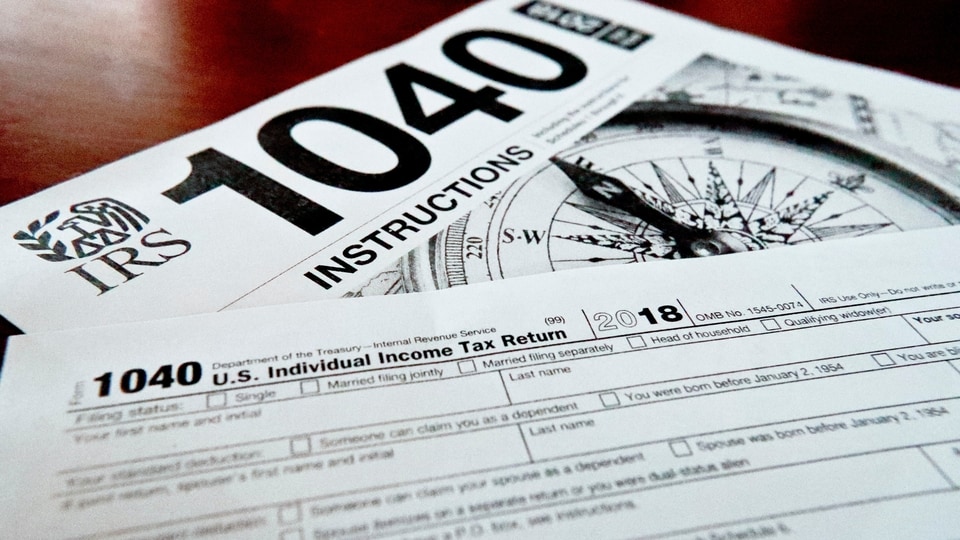
However, it's also essential to consider that the tax code is ever-changing. Therefore, staying up-to-date on the newly introduced credits or other benefits may open you up to new possibilities and more significant savings.
Here are some key points that could lead you in the right direction for tax refunds.
Ways to maximise US tax refund in 2024
Make sure everything is correct on your tax return. An insignificant act of negligence could cost you a lot. Your filing status also goes a long way in determining your refund amount.
Married couples can file it jointly or separately. Finance website WealthUp's founder Riley Adams admits that it's better you file jointly if you're a married couple. On the other hand, a person can file as a qualifying widow(er) for two years after their partner's death. The standard deduction almost doubles if filed as a single.
Also read: Witness in Donald Trump’s fraud case may admit lying under oath
CTC: The Child Tax Credit (CTC) is also instrumental in cases where dependents have been claimed on the tax return. For every child younger than 17 years of age, you can receive a $2000 CTC. However, the qualifying clause for the full credit applies to taxpayers with incomes up to $200,000 (singles) and $400,000 (married and filed jointly). Higher-income taxpayers may receive this credit, too, but only partially.
A similar credit can also be claimed for disabled children and elderly parents.
Itemise deductions: Consider whether you could save money by itemising deductions, especially if you have grand medical expenses or charities to worry about. CEO of Aquinas Wealth Advisors has confirmed that a donor-advised fund can help people make charitable contributions with a large initial deposit.
Once the deposit is itemised on tax returns, the funds can be dispersed over some years to different charities.
HSA: Contributing to a health savings account can also help you with tax deductions. They permit people to keep their medical expenses aside, with the additional advantage of tripling tax savings: deductible contributions, account money expands tax-free, and withdrawals stay tax-exempt for expenses that qualify under it.
Retirement funds: Funding an individual retirement account (IRA) till the tax filing deadline (April 15, 2024) will help you save on your 2023 tax bill. The limits are set based on your age. People younger than 50 can contribute up to $6,500 for the 2023 tax year, while those 50 and older can do so up to $ 7,500.
For people with a workplace retirement plan, once the modified adjusted gross income reaches $73,000, IRA deductions start to phase out for single and head-of-household filers. On the other hand, for married couples who've filed jointly or even qualifying widows (er) with workplace plans, an IRA deduction is open for those earning $116,000 or less.
The Inflation Reduction Act of 2022 also entitles you to claim a credit to improve your home's energy efficiency. Adams' explanation advises that those who've opted for energy-efficient modifications with new windows or invested in insulation can claim relaxation on the spring tax return.
To claim this credit, the WealthUp founder guides about keeping all purchase documents in check. The IRS may need them to verify your eligibility.


