
 E-Paper


Meteor shower season starts tonight: When and how to watch Perseids and other shooting stars
The Perseid meteor shower runs from 17 July to 23 August, peaking on August 12-13.

 Prefer HTon Google


Each summer, skywatchers around the globe eagerly await that year's Perseid meteor shower as the 2025 meteor shower season kicks off tonight.
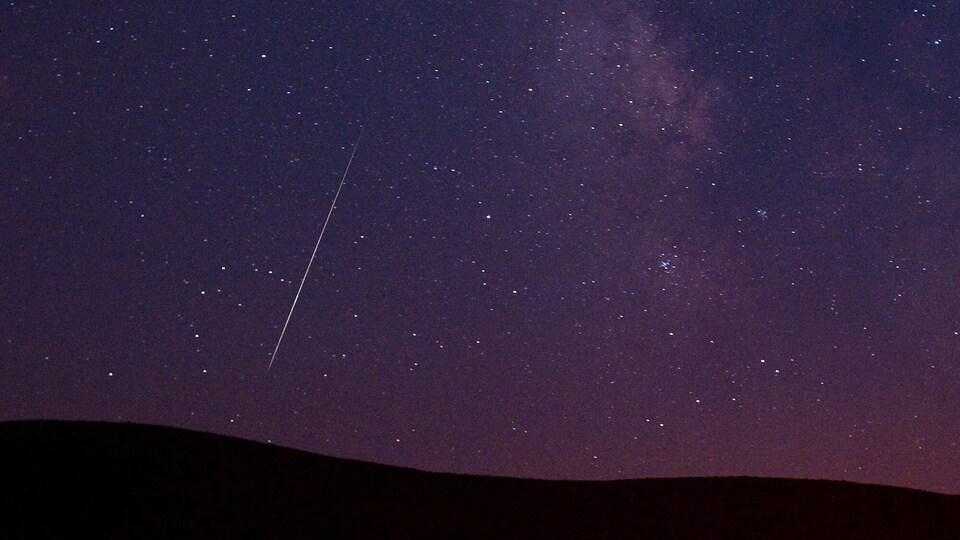
But there's a catch this year: the Perseids will have to compete with a bright moon.
The August full moon, aka Sturgeon Moon, falls on 9 August, and by the time the Perseids reach their peak, we’ll be dealing with a waning gibbous moon, just three days past full. So that means moonlight will almost dim the show.
Still, the American Meteor Society says the Perseids can deliver 50 to 75 meteors per hour at their best.
ALSO READ| Want to use the ChatGPT Agent more efficiently? Here's a rundown
When and where to watch the Perseid meteor shower?
The American Meteor Society says the Perseid meteor shower is supposed to be active on 17 July 2025 and continue until 23 August. It should peak on Aug. 12-13.
“Meteors can appear in any part of the sky, though they will appear to radiate from the constellation Perseus, in the northeast,” Michael Hankey, American Meteor Society Operations Manager, told USA Today.
Because the bright moon interferes with the Perseids this year, you can catch two other meteor showers that are active around the same time.
Here’s a quick guide to the other showers lighting up the July and August skies:
Alpha Capricornids
Active: 12 July – 12 August
Peak: Night of July 29–30
While the shower doesn’t produce many meteors per hour, it’s famous for bright fireballs, often described by observers as “vivid” and “brilliant bursts,” according to Forbes.
Best viewed: From both the Northern and Southern Hemispheres
Southern Delta Aquariids
Active: 18 July – 12 August
Peak: Also on the night of July 29–30
This is a stronger minor shower that produces around 10 to 20 meteors per hour at its peak. They are not particularly brilliant, though, in cloudy, dark skies, they can be a quiet sight to see.
ALSO READ| Dogs to compete on surfboards at World Dog Surfing Championships 2025 in California
Oh, by the way, it comes as a free bonus that you do not need equipment to have a meteor shower—no telescope, no binoculars. All you need to do is go to an open sky where the sky is dark, wait, and then give your eyes 20-30 minutes to adapt to the darkness. The more distance you stay away from the city lights, the better your experience will be.


