
 E-Paper


New COVID variant NB.1.8.1 found at US airports amid global surge
People carrying NB.1.8.1 variant have tested positive at airports in California, Washington state, Virginia, and around New York City.

 Prefer HTon Google


A new COVID-19 variant, known as NB.1.8.1, has been detected from multiple foreign travelers arriving at US airports, as per CDC (Centers for Disease Control and Prevention). This variant has been spreading quickly in China and some other parts of Asia.
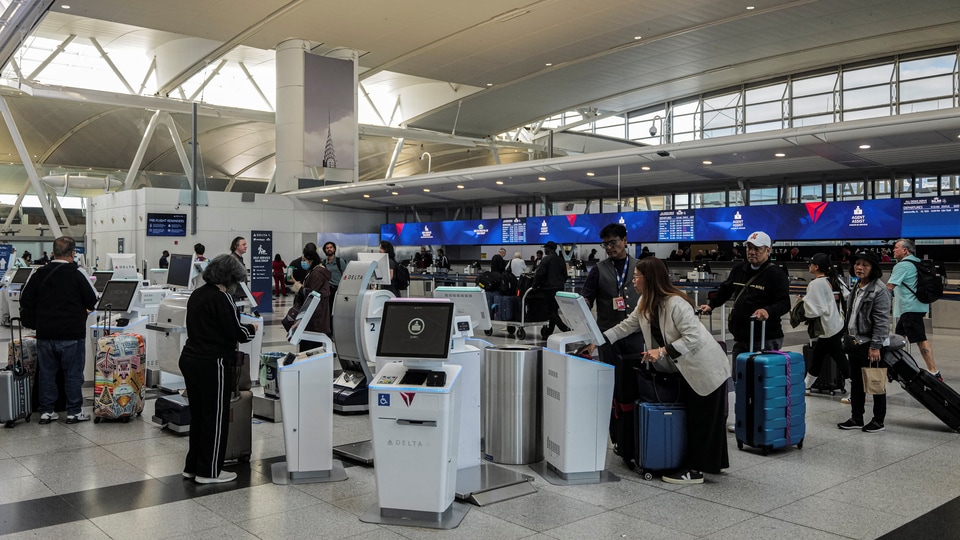
People carrying this variant have been tested positive at airports in California, Washington state, Virginia, and around New York City. As per reports, these travelers travel history is from several countries, including Japan, South Korea, France, China, and others. The testing happened between April 22 and May 12.
Some U.S. states — like Ohio, Rhode Island, and Hawaii — have also reported cases, not connected to airports. In California and Washington, the first cases appeared in late March and early April.
Health experts are watching this new variant closely. In Hong Kong, COVID cases are rising fast, and hospitals are seeing more people needing care. People there are being asked to wear masks again, especially in crowded areas and on public transportation. Taiwan is seeing more serious cases too and is stocking up on vaccines and treatments.
Early studies suggest that NB.1.8.1 may spread more easily than other variants, but it doesn’t seem to cause worse illness. It’s part of the JN.1 group of variants, which many vaccines already target.
Health officials in the U.S. are meeting to decide if the COVID-19 vaccines should be updated for fall and winter. Some experts say the new vaccines should focus on a related variant called LP.8.1, which might also protect against NB.1.8.1.
Also Read: Covid-19 cases rise in India: Surge reported in Delhi, Maharashtra, Kerala, Karnataka
Right now, COVID rates in the U.S. are low, and cases have dropped since the winter. Experts say COVID is starting to show clear seasonal patterns, with small spikes in summer and bigger ones in winter. But they’re still watching for new changes in the virus.
WHO take on new variant
The World Health Organization (WHO) is keeping an eye on a new COVID-19 variant called NB.1.8.1 as it's cases are spiking around the world. This variant comes from an earlier version of the virus known as XDV.1.5.1.
The first known case of NB.1.8.1 was found on January 22, 2025. WHO officially listed it as a “variant under monitoring” on May 23, 2025.


