
 E-Paper


Quadrantids 2024: How to watch first meteor shower in US, all details inside
This year, the Quadrantids peak is expected to take place at 7:53 am Eastern Standard Time on January 4.

 Prefer HTon Google


The Quadrantid meteor shower, which is likely to be this year's first and strongest meteor shower, will blaze through United States skies between January 3-4 and it is expected to bring up to 120 shooting stars every hour.
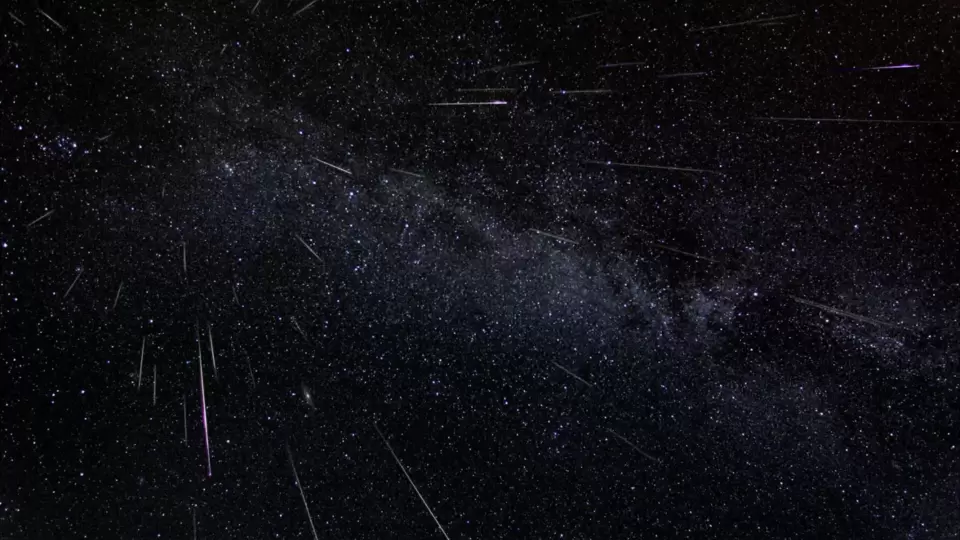
Unlike other meteor showers, the Quadrantids usually last for a few hours at night, and one can witness dozens of meteors if the skies are clear.
“The Quadrantids, which peak during early-January each year, are considered to be one of the best annual meteor showers,” the National Aeronautics and Space Administration (NASA) explained.
Also read: NASA selects 3 BTS songs including RM's solo track Moonchild for 2024 lunar mission
What is the best time to observe the shower in US?
The meteor shower, which was activated on December 26, 2023, will continue till January 16, 2024. This year, the Quadrantids peak is expected to take place at 7:53 am Eastern Standard Time on January 4.
According to EarthSky, the best time to witness the shower from North America will be at 4:53 am EST to dawn.
While the Quadrantid shower is one of the four remarkable showers that occurs annually, Lyrids, Leonids, and Ursids are the three other meteor showers which are known for their eccentric peaks.
It is to mention that those residing in western regions of North America will have the best chance to observe Quadrantids earlier at night. However, it is advisable to not visit the dark-sky locations for this specific event because Quadrantids will coincide with the bright last quarter moon.
Quadrantids Meteor Shower: NASA's recommendation on how to watch
In order to get a rich experience of the Quadrantids, NASA has advised to observe them from a remote area during the nighttime and early morning hours. You are also advised to be adequately prepared for harsh winter conditions. And luckily, the moon will be 47 per cent illuminated during the peak this time.
"Lie flat on your back with your feet facing northeast and look up, taking in as much of the sky as possible," NASA said. “In less than 30 minutes in the dark, your eyes will adapt and you will begin to see meteors," it added.
Quadrantids Meteor Showers: Everything you need to know
Meteor showers are usually named after the constellation where the meteors appear to be originating from. For instance, the Orionids Meteor Shower, which typically occurs in October every year, appears to be emerging near the constellation Orion the Hunter.
When it comes to Quadrantids, they beam out from the now-obsolete constellation of Quadrans Muralis, which is situated between the constellations of Bootes and Draco, making it place near the end of the handle of the Big Dipper in the northern sky, as per NASA. The Quadrantids are linked with asteroid 2003 EH1, which takes nearly 5.5 years to orbit around the Sun.
This is why the Quadrantid meteor shower that is believed to originate from the remains of dust and debris is exclusively seen in the Northern Hemisphere. After January 4, the most noteworthy sky events -- Moon-Antares Occultation would take place on Monday, January 8.


