
 E-Paper


The Atlantic releases US' Yemen attack plans leaked on Signal: 5 key takeaways
Atlantic editor-in-chief Jeff Goldberg was accidentally added to the chatroom two hours before the strikes, giving him access to the plans.

 Prefer HTon Google


After top US officials denied the release of war plans, including President Donald Trump, The Atlantic shared the full text of all chats on a Signal group, where plans to attack Houthis in Yemen on March 15 were being discussed.
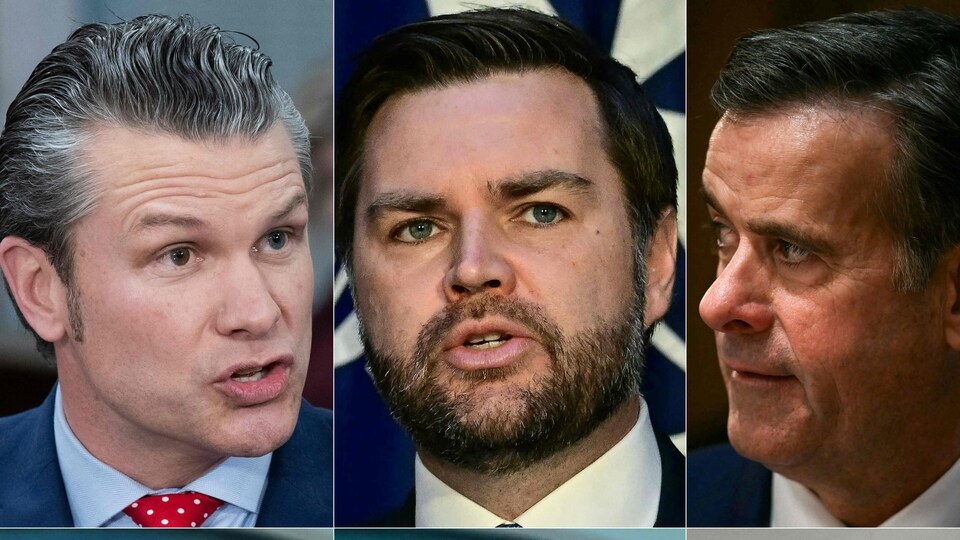
The confidential information was first shared on an unclassified Signal group chat, including defence secretary Pete Hegseth, vice president JD Vance, director of national intelligence Tulsi Gabbard, CIA director John Ratcliffe, and more. However, Atlantic editor-in-chief Jeff Goldberg was accidentally added to the chatroom two hours before the strikes, giving him access to the plans.
In response to the journalist being added to the group chat, Trump said the lapse was not “a serious one.”
The information revealed that the exact times when US aircraft departed for Yemen, and could have posed major risks to the US military personnel if it had fallen into the wrong hands.
Here are the major takeaways from the Yemen chats
- Screenshots of the chat room showed that Pete Hegseth had provided a detailed timeline of the airstrikes. When JD Vance expressed hesitation with the plans at first, stating that he “hated bailing out Europe again”, Hegseth agreed but stated that the US was “the only country on the planet” who could do this.
- Highlighting national security concerns, in their report, the Atlantic questioned on what basis it was decided that this information was not confidential and did not constitute “war plans.” They wrote, “If this information - particularly the exact times American aircraft were taking off for Yemen - had fallen into the wrong hands in that crucial two-hour period, American pilots and other American personnel could have been exposed to even greater danger than they ordinarily would face.”
- Senior Democrats have approached the US Justice Department to launch a probe into how a journalist was added into a confidential chat group and the potential national security implications of such a move. They also wrote a letter to President Trump, saying, "We write to you with extreme alarm about the astonishingly poor judgment shown by your Cabinet and national security advisors."
- In the chats a person named S M, believed by Goldberg to be Stephen Miller, White House deputy chief of staff, responded to JD Vance's concerns of the US “bailing out Europe and spoke about the expected economic returns from the military action. He said, “As I heard it, the president was clear: green light, but we soon make clear to Egypt and Europe what we expect in return. We also need to figure out how to enforce such a requirement. EG, if Europe doesn't remunerate, then what? If the US successfully restores freedom of navigation at great cost there needs to be some further economic gain extracted in return.”
- Defence secretary Pete Hegseth also sent a message, which was supposedly from JD Vance, on the messaging surrounding the strikes on Houthis in Yemen, saying, “1. think messaging is going to be tough no matter what nobody knows who the Houthis are which is why we would need to stay focused on: 1) Biden failed & 2) Iran funded.” He added that this was less about the Houthis and more about re-establishing a policy of deterrence unlike former President Biden, and restoring their freedom of navigation, after Houthis targeted US ships in the Red Sea.


