E-Paper


The frozen pizza indicator: Why a surge in sales hints at looming recession in US
Consumers in the US are increasingly turning to comfort foods, including frozen pizza, which may be a potential indicator of shifting consumer behaviour.

 Prefer HTon Google


Consumers in the United States are increasingly turning to comfort foods, including frozen pizza, which is a trend some experts believe is a potential indicator of shifting consumer behaviour amid growing economic uncertainty. Frozen pizza sales experienced a significant surge in recent weeks, with consumers reaching for especially the premium option amid economic unease, Business Insider reported. The same pattern was noted during previous economic downturns.
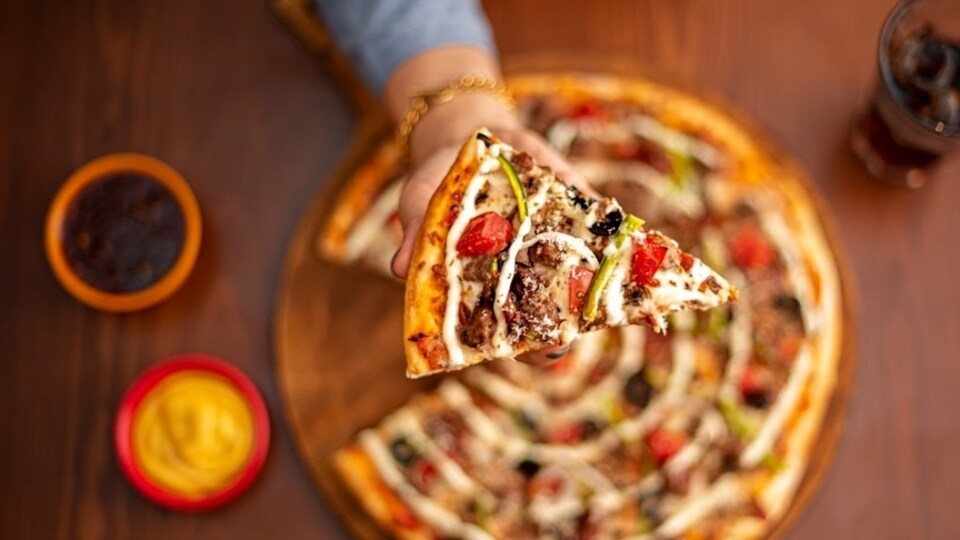
Craig Zawada, the Chief Visionary Officer at Pros Holdings, a price optimization firm, noted that even though consumers choosing high-priced frozen pizzas during a downturn may seem paradoxical, it is actually a trade-off as they end up substituting dining out with eating at home. “This happens every sort of downturn in the economy,” Zawada said.
Not a new phenomenon
The sale of frozen foods, especially frozen pizza, rose significantly during the 2009 recession and the 2020 pandemic. In fact, the US frozen pizza industry generated $6.5 billion in annual revenue last year, and remains well above its pre-pandemic level, market research firm IBISWorld found.
This trend, where people prefer eating at home and stocking up from the grocery, is often prompted by economic anxiety. Factors like inflation and ongoing global uncertainty often lead to home-centric consumer behaviour, and this is not a new phenomenon. A year before the Covid-19 pandemic, the average person consumed about 40 pounds of pizza. The trend was amplified by the pandemic.
Meanwhile, according to recent data, US retail sales increased only slightly in February, raising concerns about consumer strength as it fell short of expectations. Data released by the U.S. Census Bureau in March showed that the retail sales figure showed a 0.2% monthly growth in February, after a downwardly revised 1.2% drop in January. The headline figure actually missed economist estimates of 0.6%. A closer look at the data left economists and consumers wondering if consumer demand is cooling, or just shifting.
“The unfavorable surprise on U.S. headline retail sales—monthly growth of 0.2% compared to the consensus forecast of 0.6%—was not reflected in the other numbers in this data release,” said Mohamed El-Erian, chief economic advisor at Allianz, according to Bezinga.