E-Paper


USCIS rolls back Biden’s Child Status Protection Act, here's what its impact will be like
USCIS announced a major policy change regarding the legal status of children of H-1B visa holders turning into green card holders.

 Prefer HTon Google


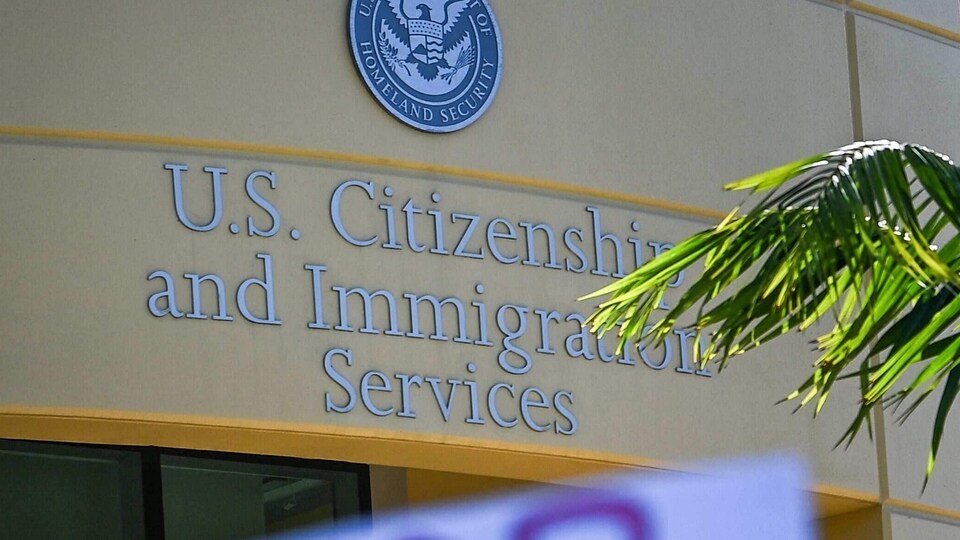
The United States Citizenship and Immigration Services (USCIS) announced a major policy change regarding the legal status of children of H-1B visa holders turning into green card holders. The change threatens to age out multiple applicants before they become eligible for permanent residency.
The change
The Joe Biden administration, in February 2023, introduced the Child Status Protection Act (CSPA) to allow a child to lock in their age for green-card eligibility under the State Department’s Dates for Filing chart. Hence, this policy prevented applicants from aging out of their filed category before becoming eligible for a green card.
“The core purpose of the Child Status Protection Act (CSPA)[1] is to address the hardships faced by certain aliens who were previously classified as children for immigrant visa purposes, but who, due to the time required to adjudicate petitions, had turned 21 years old and consequently became ineligible to receive such immigrant visas,” elaborates the official USCIS website.
However, per an August 8 announcement, the Trump administration has decided to take back this expansion measure. “USCIS will now use only the Final Action Dates chart to calculate CSPA age for those applying for green cards from the U.S. (adjustment of status), matching the State Department’s approach for applicants applying from abroad (consular processing),” reports Boundless Immigration.
“The Immigration and Nationality Act (INA) defines a child as a person who is both unmarried and under 21 years old. If an alien applies for lawful permanent resident (LPR) status as a child but turns 21 before being approved for LPR status (also known as getting a Green Card), that alien can no longer be considered a child for immigration purposes. This situation is commonly referred to as aging out, and may mean these aliens must file a new petition or application or wait even longer to get a Green Card, or are no longer eligible for a Green Card,” explains the official USCIS website.
The impact
This policy change will drastically affect the number of people receiving green cards under this category, specifically for countries like India with higher backlogs and wait times. “Because Final Action Dates are typically later than Dates for Filing, fewer applicants will qualify for CSPA protection. As a result, some young immigrants who would have kept “child” status under the old rules may now age out, moving into a different immigration category with significantly longer wait times,” explains Boundless Immigration.
Hence, for children who receive their green cards after their parents and have filed under this category, family separation remains a looming issue. Many might be forced to look into and reapply under different visa categories if they age out. Those affected are advised to stay in touch with immigration experts, plan alternate routes, and consider including temporary relief measures.
This policy change became effective on August 15. Applications pending from before his date will continue to be processed under the previous guidelines. The agency may consider evaluating certain applicants under previous guidelines under “extraordinary circumstances”.
– With inputs from Stuti Gupta