E-Paper


What is an ‘icequake’ and could the winter phenomenon hit Chicago area this week? What we know
An intense Arctic cold blast sweeping across the United States has prompted extreme cold warnings in multiple regions.

 Prefer HTon Google


An intense Arctic cold blast sweeping across the United States has prompted extreme cold warnings in multiple regions, with forecasters cautioning that the rapid temperature drop could trigger a rare cold-weather phenomenon known as an “icequake.”
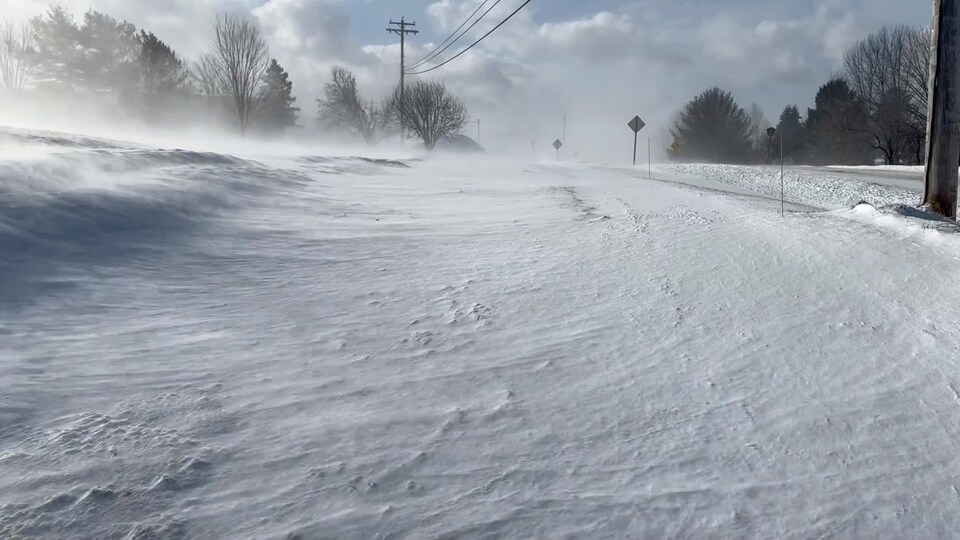
Parts of the Midwest, including the Chicago area, are under warnings as wind chills plunge 30 degrees or more below zero and air temperatures struggle to rise above zero. Weather experts say it is the speed of the cooling, rather than just the cold itself, that is raising concern.
While icequakes are uncommon, similar cold snaps in the past have produced loud booming sounds and brief ground vibrations, occasionally alarming residents and prompting emergency calls, according to meteorologists cited by International Business Times.
What is an icequake?
Icequakes, also called cryoseisms, occur when moisture trapped in soil or bedrock freezes extremely quickly. As water turns to ice, it expands, building pressure beneath the surface until the ground cracks.
The sudden release of that pressure can create sharp popping or booming noises and short-lived vibrations that may be felt indoors. The National Weather Service has said icequakes are not true earthquakes and are not linked to tectonic activity, even though they can feel similar to small tremors.
Local broadcasters, including Fox17 WZTV Nashville, noted that icequakes are typically harmless, but their noise and intensity can be unsettling, particularly during overnight hours.
Could icequakes affect the Chicago area this week?
Meteorologists say the Chicago region could see conditions that sometimes support icequakes because it is experiencing both extreme cold and a rapid temperature plunge. NBC Chicago reported that flash freezing beneath the surface is possible as Arctic air settles in, potentially creating conditions favorable for cryoseisms.
However, experts caution that several factors could limit activity. Soil temperatures in parts of the Midwest are already near freezing, meaning some moisture may have already frozen. In addition, snow cover can act as insulation, slowing the freezing process and reducing pressure buildup, reported International Business Times.
Other risks from the Arctic cold
Even if icequakes do not occur, forecasters warn that the extreme cold itself poses serious dangers.
Frostbite can develop within minutes in sub-zero wind chills, and hypothermia remains a major risk for prolonged exposure, according to the National Weather Service.
Authorities are urging residents to limit time outdoors, dress in layers, and take precautions to protect homes from frozen pipes and power disruptions.