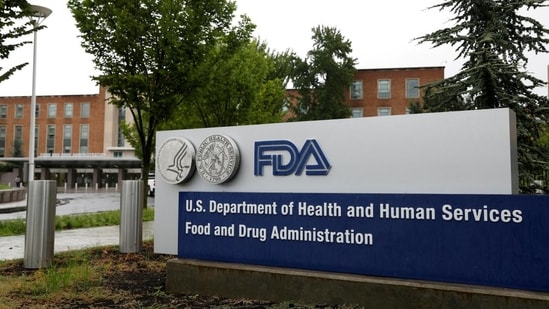
The Food and Drug Administration (FDA) headquarters in White Oak, Md.
Vinay Prasad has left the building. The hematologist and Bernie Sanders acolyte is stepping down as head of the Food and Drug Administration’s gene therapy and vaccine shop after only three months on the job. This is welcome news, but there’s still reason to keep a cautious eye on the agency that could assist or stymie U.S. drug innovation in this era of great biotech advances.
Why Vinay Prasad Had to Go at FDA
A Health and Human Services Department spokesperson said Tuesday night that Dr. Prasad is resigning because he doesn’t want to “be a distraction.” The truth is that he was under heavy criticism from patients and these pages for undermining the Administration’s goal of fast-tracking life-saving treatments.
Dr. Prasad may have been chosen for the gene-therapy and vaccine job because he found common cause with conservatives in opposing the left’s Covid policies. But the White House personnel shop must have missed that the doctor has long criticized the FDA from the left. He thinks the agency approves too many drugs whose costs in his view don’t justify their benefits. He wanted to turn the agency into a de facto rationing body that focuses on drug cost as much as safety and efficacy. But cost isn’t the FDA’s job.
On Dr. Prasad’s new watch, the FDA has torpedoed several promising treatments for rare and deadly diseases. This includes an immunotherapy shot that helped a third of advanced melanoma patients who had relapsed after other treatments. With these disapprovals, the agency moved its standards for drug approvals and blind-sided companies.
Then came the Sarepta mugging, which we told you about on Sunday. The agency used the deaths of two boys out of nearly 1,000 who had been treated with Sarepta Therapeutics’s gene therapy for Duchenne muscular dystrophy as a reason to force the drug from the market. It ignored the clear benefits in slowing disease progression. The FDA wisely backed down on Monday amid an outcry from parents and criticism in these pages.
The agency’s lack of clear, predictable standards under Dr. Prasad was creating enormous uncertainty for the industry, especially small biotech companies, and threatened to chill investment. Dr. Prasad’s inflexible positions on the design of clinical trials also risked slowing and raising costs for drug development. This is the opposite of what FDA Commissioner Marty Makary says he wants to do.
“Why does it take over 10 years for a drug to come to market?” Dr. Makary mused Wednesday on CNBC. One reason, he said, is FDA bureaucracy. “We don’t want the FDA to be a blackbox” and “markets want predictability.” Yes, they do. But asked about the agency’s recent arbitrary rejections of therapies, Dr. Makary demurred.
He also hailed Dr. Prasad as a “genius,” noting he was a prolific author of papers—many of which argue that drugs aren’t worth their cost—as if this were a mark of wisdom or the right credential to be a regulator. Dr. Makary said “we’re going to continue to talk to” Dr. Prasad, which suggests the ousted official may continue to influence agency decisions from the cheap seats.
Dr. Makary said Stanford professor George Tidmarsh will lead the agency’s drug reviews, which isn’t reassuring. In April Dr. Tidmarsh slammed previous FDA leaders for giving “false hope” to patients by approving experimental therapies that cost “vast amounts of money that our health case system can ill afford.” He singled out Sarepta’s Duchenne drug.
This won’t buoy confidence in the agency. The FDA Commissioner’s public support for innovation conflicts with his personnel decisions and agency actions. Would the real Dr. Makary please stand up?
Stay updated with US News covering politics, crime, weather, local events, and sports highlights. Get the latest on Donald Trump and American politics along with Horoscope 2026.

 E-Paper