E-Paper



US wants stronger Bangladesh-India ties to support regional stability, says envoy
US Ambassador Brent T Christensen said President Donald Trump’s administration views ties between Dhaka and New Delhi as critical for economic growth.

 Prefer HTon Google


The United States would like Bangladesh and India to maintain a strong and constructive relationship to support stability in South Asia, the US envoy to Dhaka has said, highlighting the significance of regional cooperation ahead of Bangladesh’s general election.
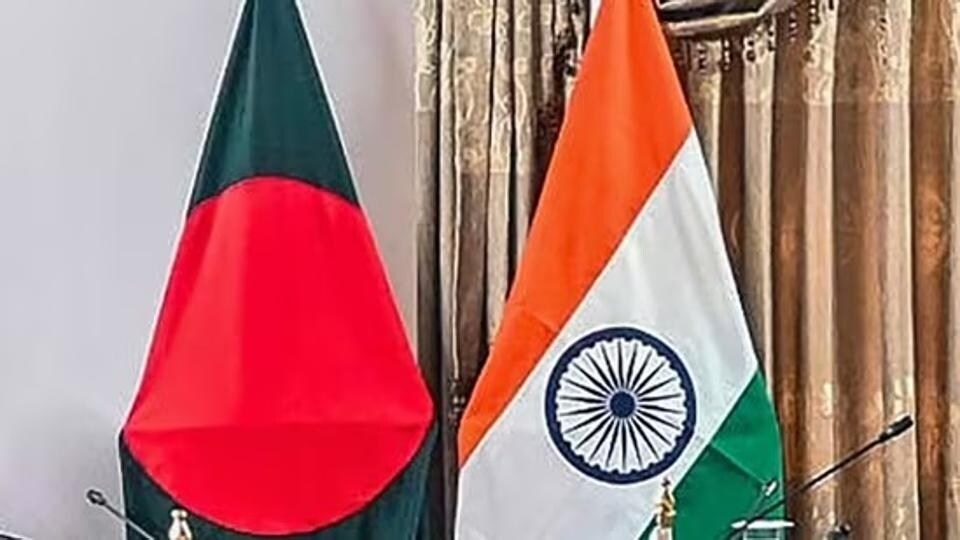
US Ambassador Brent T Christensen said President Donald Trump’s administration views ties between Dhaka and New Delhi as critical for economic growth, security collaboration and regional balance.
“We would like to see a good relationship between Bangladesh and India to support stability in the region,” Christensen told Reuters in an interview.
Tensions between the neighbours have increased since former Prime Minister Sheikh Hasina, long seen as close to New Delhi, was toppled in a Gen Z-led uprising in August 2024 and later took refuge in India.
The political transition strained diplomatic engagement, affecting visa services and even cricketing exchanges, often regarded as a symbol of people-to-people ties.
Also Read | US-Bangladesh trade deal reduces textile tariff to zero, but conditions apply
US wants to counter China's influcence in South Asia
“The United States is concerned about growing Chinese influence in South Asia and is committed to working closely with the Bangladeshi government to clearly communicate the risks of certain types of engagement with China,” Christensen said.
“The U.S. offers a range of options to help Bangladesh meet its military capability needs, including U.S. systems and those from allied partners, to provide alternatives to Chinese systems,” he added.
Diplomats and analysts say a prolonged downturn in Bangladesh–India relations could complicate trade flows, border management and connectivity initiatives in a region already navigating strategic competition and economic uncertainty.
Christensen’s remarks come as Bangladesh prepares to vote on Thursday in a closely watched election, with the main contest between coalitions led by the Bangladesh Nationalist Party and Jamaat-e-Islami. Opinion polls suggest the BNP holds an advantage.
The ambassador said Washington would work with whichever government is elected and emphasised that regional partnerships would remain central to US engagement.
“Stable and cooperative relationships among South Asian partners are essential for prosperity and security,” Christensen said.
Responding to the comments, China’s foreign ministry said China and Bangladesh, as comprehensive strategic partners, have maintained cooperation across political, economic and security spheres, delivering mutual benefits.
“Our mutually beneficial and friendly cooperation is not directed at any third party, nor will we tolerate interference from any third party,” the ministry said in a statement.
Observers note that Bangladesh and India share deep economic and geographic interdependence, including trade, energy cooperation and cross-border infrastructure projects. Any reset in ties, they say, would be closely watched by global powers with growing stakes in the region.
“Commercial diplomacy is one of our top priorities, and we look forward to working with the new government to build on progress made with the interim government, particularly in strengthening commercial, economic and security ties,” Christensen said.