
 E-Paper



A decade of dancing with Canada’s DesiFest
When DesiFest first started 10 summers back, the objective was simply to provide a platform for subcontinental acts that received scant mainstream play. A decade later, this annual music festival has evolved into a place for discovery of new talent, with many performers no longer tying their tunes to their roots.


When DesiFest first started 10 summers back, the objective was simply to provide a platform for subcontinental acts that received scant mainstream play.
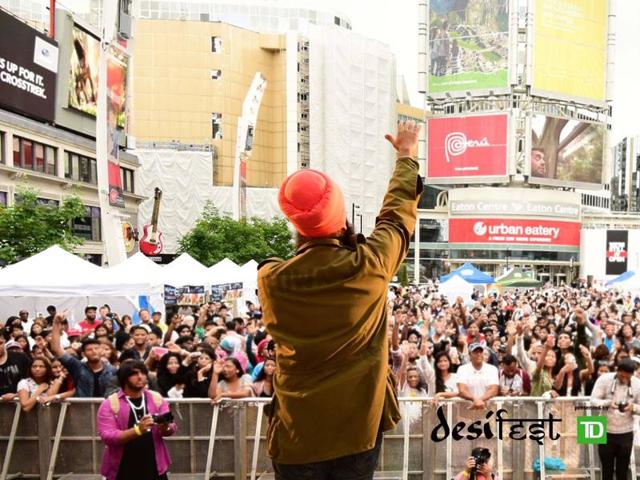
A decade later, this annual music festival has evolved into a place for discovery of new talent, with many performers no longer tying their tunes to their roots.
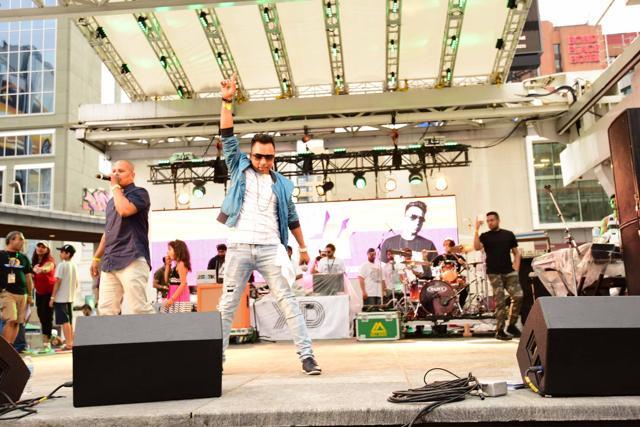
DesiFest was founded by Toronto-based Sathish Bala, originally from Chennai, who runs an agency delivering digital programmes.
Simultaneous to that profession was his parallel life as a DJ, performing in Scarborough, a suburb of Toronto.
“We were too Indian, but not Bollywood enough. We needed to find a way to create an outlet. Our mandate is of breaking a bunch of perceptions,” Bala said.
The inaugural DesiFest featured about 30 artists Bala knew personally, and each had a brief period onstage at downtown Toronto’s Yonge and Dundas Square, an iconic outdoor venue in the city.
Fast forward 10 years , and while the central gig is still right there, DesiFest now spans four days, includes a showcase for female talent, She Rocks, and attracts a nearly 45,000-strong audience.
What has also changed is the evolution beyond the “saturated market” of the Bollywood-Bhangra duopoly that dominates the Indo-Canadian music scene.
With nearly 200 auditions, of which an eighth make it to the show, there is an infusion of genres – from R&B to jazz, hip-hop to plain pop or rock.
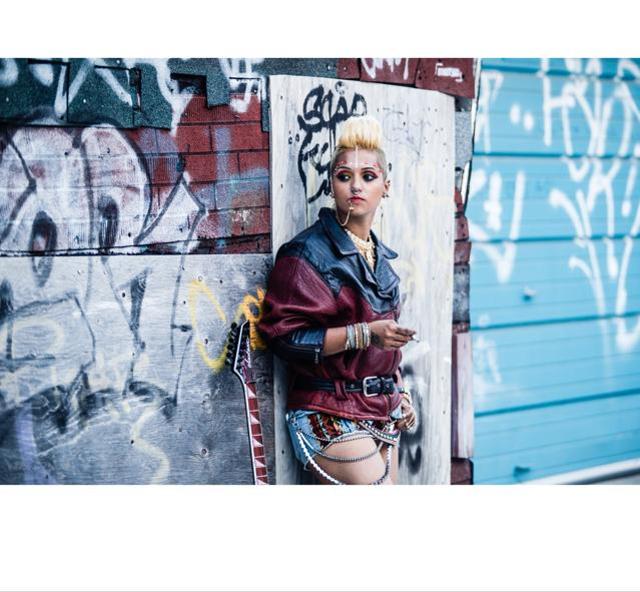
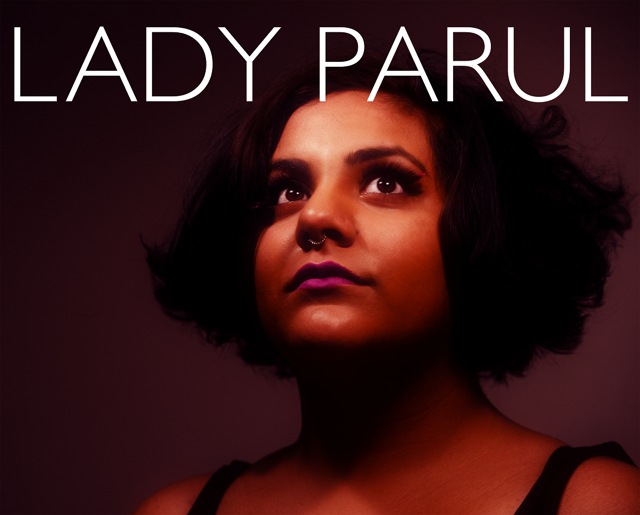
So, showcased acts include Lady Parul, a jazz-funk chanteuse in the Ella Fitzgerald mould; the hard rocking Urvah Khan; hip hop act Meditating Minds Entertainment and Master D, who appeared last year, with his blend of Bangla urban.
The festival has also moved beyond Hindi and Punjabi as the languages of music.
“The average age on stage is in the early 20s. These kids don’t need to justify their culture any more. If they feel a cultural twist is valuable, they will do it, but not as a starting point,” Bala said.
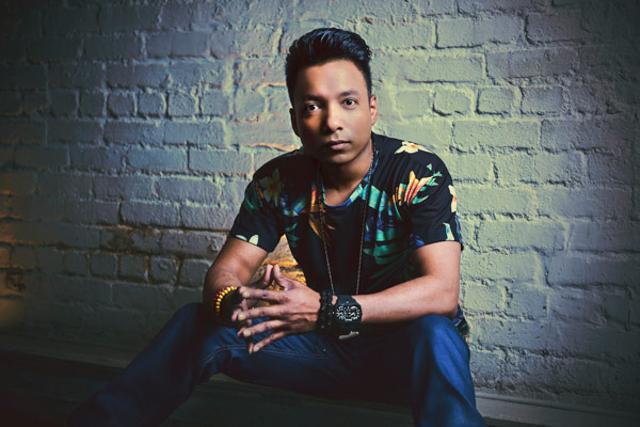
But making the experience eclectic is the inclusion, for instance, of a “pure Tamil singer” like Luksimi or even Danish native Anita Lerche, who has claimed cult status with her Punjabi pop.
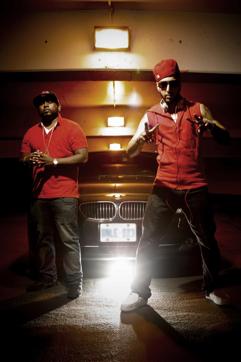
At the outset, much off the music was angry, very aggressive, Bala said, but over the years, it has become “lighter”. As the young performers become more comfortable in their skins, their attitude has changed.
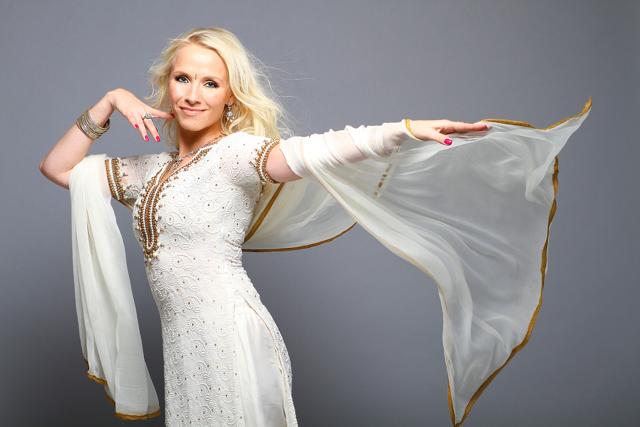
DesiFest’s central stage will again be Yonge-Dundas Square for a 12-hour concert this Saturday but as Bala said, “Ten years ago, there was a need to find and showcase desi urban artists and today there is an equally important need to help in nurturing, educating and building bridges for our community.”


