
 E-Paper



An Instagram-based photo project is documenting quake-ravaged Nepal
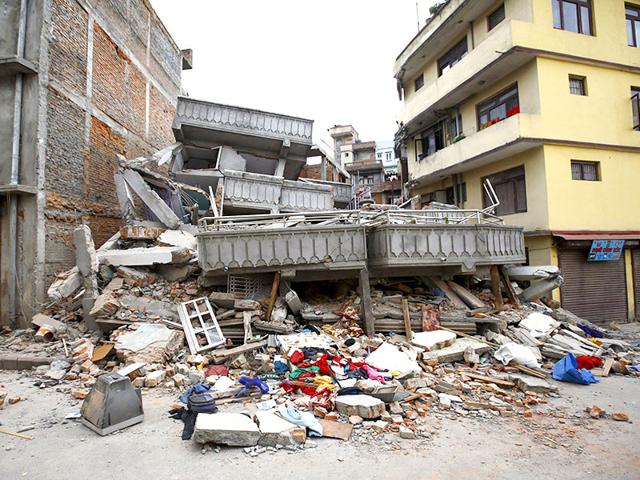
It has been more than a month since the 7.9-magnitude earthquake shook Nepal and killed nearly 8,000 people, and stories about the devastation have ceased making headlines or prime time news.


It has been more than a month since the 7.9-magnitude earthquake shook Nepal and killed nearly 8,000 people, and stories about the devastation have ceased making headlines or prime time news.
But as the country slowly starts rebuilding itself, there are few to document the socio-cultural changes and narrate the stories of the survivors.
The Nepal Photo Project (NPP), an Instagram-based crowd-sourced photography project, has stepped into this space to visually document the losses –physical and cultural – and the recovery and rebuilding.
Along with visual documentation of the crisis, the project’s Facebook page shares information about volunteer services and missing person notices.
The project, initiated by Kathmandu-born photographer Sumit Dayal and curated by New Delhi-based freelance writer Tara Bedi, has registered a growing presence on Instagram and Facebook. Its Instagram account has more than 58,000 followers and the Facebook stream has around 7,000 followers.
The photos collected through the project are not epitomes of artistic brilliance but they cater to another need – putting out “useful and credible” information from reliable professional journalists or citizen-journalists working in Nepal.
Schools in earthquake-hit Nepal reopened on Sunday and photos put up to mark the occasion capture the damage that schools in the country’s hinterlands suffered.
Another photograph from Haibung captured how villagers joined hands to rebuild schools in an attempt to start afresh.
As government offices and public institutions resumed services in Kathmandu, this photograph captured customers showing up at the Nepal Telecom office in Jawalakhel, whose walls were cracked by the quake.
A photograph from Rasuwa district showed a meeting to decide on a cash-for-work-programme to clear the rubble in public spaces and the post described the complications involved in its implementation.
The quake and its numerous aftershocks exacted a terrible human toll but also damaged or destroyed several of Nepal’s centuries-old temples and UNESCO heritage sites like Kathmandu’s Dharahara Tower, artifacts at the Patan museum and three Durbar Squares. And this cultural loss forms the bedrock of many photographs in the project’s collection.
There are also photographs that capture ordinary Nepalese going about rebuilding their homes and trying to return to the normal life that was shattered by the killer temblor.
Hindustan Times interviewed Tara Bedi, curator and editor of the project, on the significance of the initiative, its functioning and the purpose it serves. Here are excerpts:
What has been the approach to the curation?
We requested our contributors to hashtag their images with #nepalphotoproject and even made a poster asking everyone taking visuals in Nepal to do the same.
While a large portion of our contributors are photojournalists, there is a significant portion of our feed that is crowd-sourced. We usually look through their feed to see their other posts or write to them and ask them for more details so they too become credible citizen journalists in a sense.
We mentioned on our Facebook and Instagram feed that photographers should provide the context to their photos in relevant captions.
The idea is that our photo posts should communicate something purposeful - be it the damage or fundraising campaigns or photographs of missing people or citizen volunteer initiatives.
How is your project different from a collection of news agency photos?
One of the comments we’ve received that’s stuck with us was, “thank you for putting such a personal face on this tragedy”, and I think that’s how we are different.
NPP's feed has a different vibe then that of a news agency. It's much more personal. A lot of our audiences have reacted well to this aspect, wherein photographers have the freedom to express in a more ‘real’ way.
With the images and captions that we post, we are trying to give either personal accounts of what our contributors have experienced, or distinct stories of what they are photographing.
What would you say about the impact that the project has created?
It’s hard to quantify what difference Nepal Photo Project has made or can make in the future.
But we've been pretty successful in getting good information and images out. And sharing information and stories in such a way that people know the ground reality and what avenues they have to help the victims.
Through some of our posts, we’ve actually been able to raise funds directly and give them to a family desperately in need. It’s amazing to see this kind of response.
Till when do you intend to carry on with the project?
NPP is not bound by any specific time period. It can switch from a breaking news feed to a more “daily life” feed documenting relief and rehabilitation. And once all this calms down, it can be a platform for documenting the rebuilding of Nepal.
As the spot news photographers clear the grounds, we intend to continue our work of sharing stories of human interest as Nepal rebuilds itself. The group that will continue to work on visual stories will consist primarily of Nepali photographers.


