
 E-Paper



UK experts suggest urgency in countering Bangla extremism
Economic and social enterprises run by religious forces in Bangladesh earned an estimated profit of $320 million in 2014, according to the first-ever estimate of what is called ‘economic fundamentalism’ in the country, an expert told a leading think-tank here on Wednesday.


Economic and social enterprises run by religious forces in Bangladesh earned an estimated profit of $320 million in 2014, according to the first-ever estimate of what is called ‘economic fundamentalism’ in the country, an expert told a leading think-tank here on Wednesday.
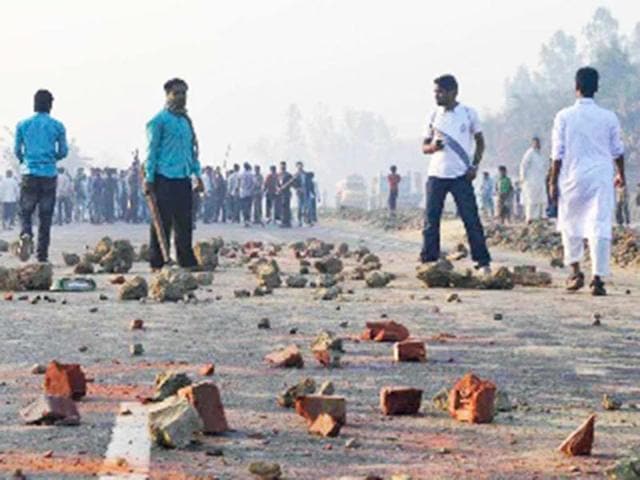
Amidst continuing concerns over the recent killing of secular bloggers in Bangladesh, speakers at a seminar on ‘Bangladesh and the UK: Countering Religious Radicalisation and Extremism’ called for urgency in dealing with the issue, and not wait until a consensus emerged between the ruling and opposition parties in the country.
In a research paper presented at the International Institute of Strategic Studies (IISS) seminar, Abul Barkat from the University of Dhaka said: “Economic fundamentalism is strong in Bangladesh”, and listed 123 ‘radical Islamic organisations promoting Islamic political activism in the country’.
Mentioning the profit of $320 million in 2014, Barkat said: “The relative size of this economy of fundamentalism may not be very high…However, danger lies in (that) as against 6-7% growth rate of the national economy, their growth rate (is) 9-11%."
The total net profit of such forces between 1975-2012 was estimated to be nearly $6.5 billion, Barkat said, and added that they supported 500,000 full-time cadres in politics, used influence to place “own people” in strategic positions, and fund day-to-day political activity.
Barkat reiterated the increasingly influential view that countering extremism in the country should not wait for the coming together of Prime Minister Sheikh Hasina and Khaldea Zia of the opposition Bangladesh National Party, and needed to be dealt with urgently.
Rahul Roy-Chaudhury, senior fellow for south Asia at IISS, noted that Bangladesh – the third-highest Muslim-majority country – had over 100 radical Islamic groups but only a handful had been banned or black-listed.
Nigel Inkster, formerly a senior official of Britain’s intelligence services and now based at the IISS, mentioned the links between radical Islamic groups in Bangladesh and Britain, and noted that individuals in the community were more involved in facilitating acts of extremism than committing them.
Britain has often been accused of having a relaxed approach to extremist groups from various countries based here or raising funds here. India is among countries who have repeatedly asked Britain to act against such groups.
Inkster said attitudes within the British government were changing, but revealed that the long-standing issue of striking a balance between freedom of speech and allowing radical views had not been settled yet.
Bangladesh high commission Abdul Hannan said the country could not alone deal with extremism, but favoured a regional and global partnership on the issue. “When Bangladesh was created in 1971, we wanted a secular Bangladesh”, Hannan said.


