
 E-Paper



Trek, set, go
Trek is a long, adventurous journey undertaken on foot in areas where common means of transport are generally not available. A mere thought of such an expedition gives an adrenaline rush.

 Prefer HTon Google


The lowdown
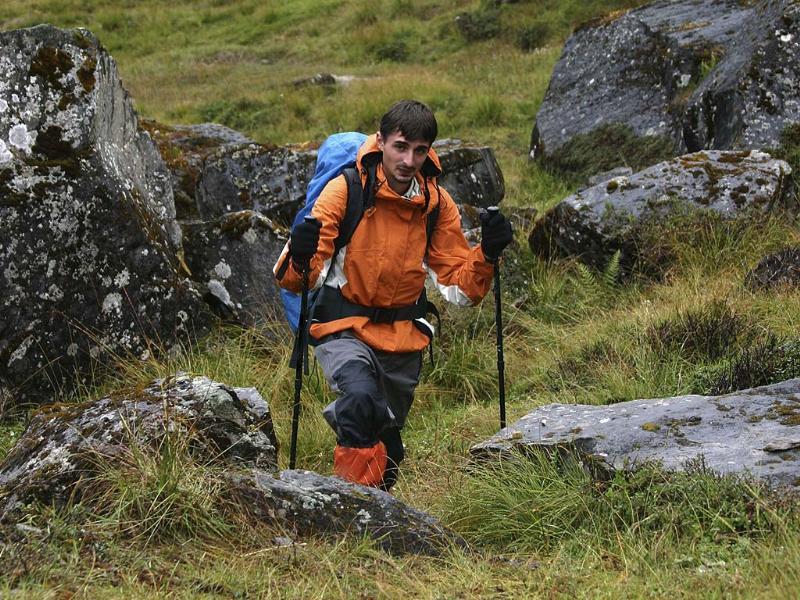
Trek is a long, adventurous journey undertaken on foot in areas where common means of transport are generally not available. A mere thought of such an expedition gives an adrenaline rush. If something like this interests you, then a career as a trekking expert is your calling. A trekking expert is someone who takes people on long arduous journeys, especially to hike through mountainous areas. Good knowledge of the mountains and the surrounding geography is a requisite to become a trekking expert. He/she is responsible for the safety and well being of the trekkers. A trek leader ensures that everything is organised logistically — food, camping equipment, medicines, safety gears etc. Trekkers must be ecologically and culturally responsible travellers, and good decision makers — they should be aware of all the routes on complicated treks, time of sunset, sunrise and weather conditions. A typical high altitude trek lasts for a minimum six to seven days, which means you will be cut off from the world and all forms of communication and be responsible for people you take on treks.
Clockwork
A trek leader’s job is not an eight- hour shift. A typical day would be something like this:
6am: Oversee the camp
7.30am: Warm up and stretching session with the team
8am: Brief the team
8.30am - 2pm: Start the journey. Take breaks, share interesting stories and information with team
2pm: Reach camp. Engage in tent pitching activity with the trekkers. Have lunch and settle down
5.30pm: Tea followed by briefing. Enquire and look after the trekker’s well being. Solve medical/personal issues, if any
7pm: Campfire followed by dinner
8pm: Strategise and plan the next day’s trek with the backend support team
The payoff
A qualified trek trainer can expect a starting salary of Rs. 20,000 per month. This can go up to Rs. 35,000 to Rs. 40,000 at senior levels
Skills/TRAITS
* Sufficient trek experience in varied terrains
* Problem solving, proactiveness, being a team player are some of the key traits
* Knowledge of first aid is mandatory
* He/she should be familiar with the mountains and the surrounding geography
Getting there
A basic mountaineering course is important. The courses have four to five levels — basic, advanced, method of instruction and search and rescue. These courses are generally a month long. They include both theory and practical training on the mountains. You don’t need to have a formal degree but institutes consider your age limit for these courses. Also, a prescribed level of physical fitness is required. An ‘A’ grade in one course qualifies the student for the next course
Institutes and URLs
* Nehru Institute Of Mountaineering, Uttarkashi;
* Himalayan Mountaineering Institute, Darjeeling;
www.himalayanmountaineeringinstitute.com
* Atal Bihari Vajpayee Institute of Mountaineering and Allied Sports, Manali;
www.adventurehimalaya.org/aboutwhmi.asp
* Indian Institute of Skiing and Mountaineering, Gulmarg;
iismgulmarg.com
Pros and cons
* For someone who loves the outdoors, trek leading is a treat
* Your decisions play a crucial role. If one thing goes wrong, it can impact life and safety of people
* You are away from family and friends for a long period of time
Trekking rejuvenates one’s mind, body and spirit. But you have to face various physical and mental challenges. In short, a trek is a miniature journey of life ---- Sandhya UC, a trekker and partner at Indiahikes, Bangalore


