E-Paper



Myth vs reality: 6 things that the govt wants you to know about demonetisation
An abrupt recall of high-value currency last week has rattled millions of people who have lined up in banks and ATMs across India to exchange or deposit the now-withdrawn Rs 500 and Rs 1000 notes.

 Prefer HTon Google


An abrupt recall of high-value currency last week has rattled millions of people who have lined up in banks and ATMs across India to exchange or deposit the now-withdrawn Rs 500 and Rs 1000 notes.
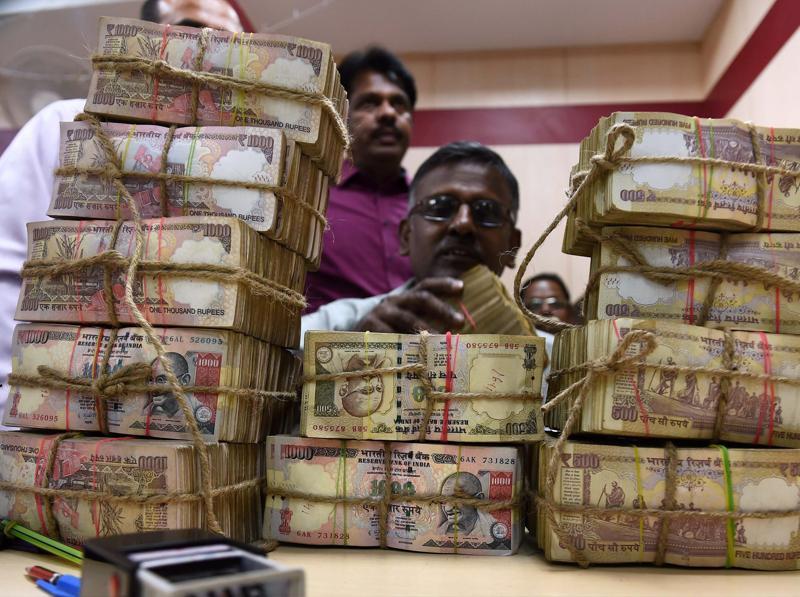
The decision was meant to weed out illegal cash and counterfeit currency but bumpy implementation and frequent changing of withdrawal and exchange norms has also triggered a storm of rumours about the government’s next move.
But now, the finance ministry has issued a series of clarifications. Here are the most important ones:
MYTH: The prime minister is soon going to scrap Rs 50 and Rs 100 notes
REALITY: This is a baseless rumour, there are no immediate plans to scrap any other denominations
MYTH: The government’s next step is to seal bank lockers and seize gold and other personal jewellery
REALITY: There are no proposals to seal any locker or seize any jewellery
Read | Exchange limit cut to Rs 2,000; help for weddings: 5 points on demonetisation
MYTH: Some party members and business houses already knew of the demonetisation move
REALITY: The measure was carried out with utmost secrecy and the government didn’t leak any details of the move to anyone
MYTH: The cost of demonetisation is far higher than the benefits
REALITY: A parallel economy hollows out a country’s economic system and disproportionately affects the poor and middle class
Read | Modi’s note ban move could become a costly political joke, says Chinese media
MYTH: The new notes are fitted with a GPS chip to track black money
REALITY: They aren’t
MYTH: The new Rs 2000 note is of poor quality and it bleeds colour
REALITY: The notes have a security sign called intaglio printing. To find out if the note is genuine, rub it against a piece of cotton. This creates a turbo-electric effect that leaves the note’s colour on the cotton.